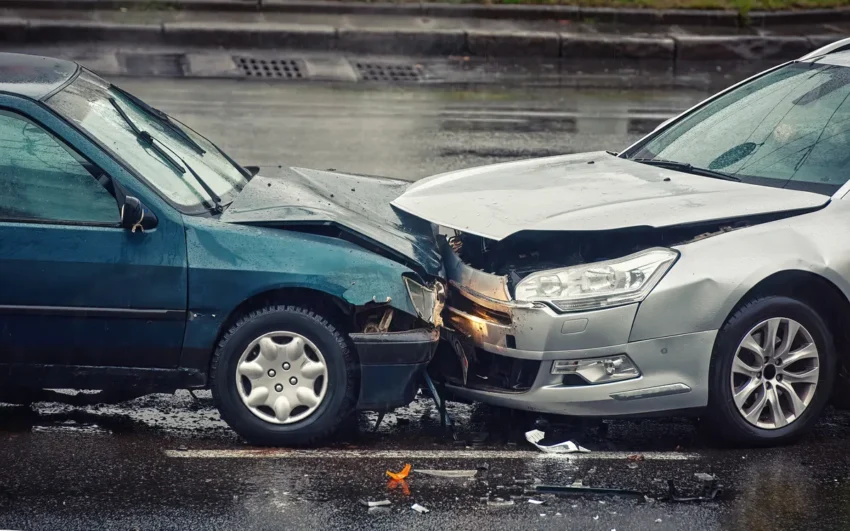
You’re sitting at a red light, minding your own business, when BAM — someone rear-ends you. After the shock wears off and you exchange information, the other driver drops the bomb: “I don’t have insurance.” Your stomach sinks. Who’s going to pay for your medical bills? Your car repairs? Your lost wages?
Suing an uninsured driver for damages might seem like the logical next step, but here’s the truth nobody tells you upfront: just because you can sue doesn’t mean you should. Sometimes a lawsuit is your best path to recovery. Other times, it’s like trying to squeeze water from a stone — technically possible, but ultimately pointless.
In this guide, we’ll break down everything you need to know about pursuing damages from an uninsured motorist, from understanding your real options to knowing when a lawsuit actually makes financial sense.
The Shocking Reality of Uninsured Drivers in America
Before we dive into the lawsuit process, let’s talk numbers. In 2023, 15.4 percent of motorists, or more than one in seven drivers, were uninsured, according to research from the Insurance Research Council. That’s roughly 35-39 million people driving without coverage.
Even more concerning? The uninsured motorist population increased from 11.6% to 14% of drivers between 2017 and 2022. The trend isn’t moving in the right direction.
Why So Many Drivers Go Uninsured
Here’s something that might surprise you: 82 percent of uninsured drivers either cannot afford car insurance or have a vehicle that is inoperable or unused. The average cost of auto insurance has skyrocketed, making it genuinely unaffordable for many Americans.
The average yearly cost of auto insurance increased from $789.29 in 2010 to $1,127 in 2022. For someone already struggling financially, that monthly premium might be the difference between keeping the lights on or not.
States with the highest uninsured rates:
Suggested read: Unlicensed Driver in Accident Not at Fault: Your Rights and Legal Options Explained
| State | Uninsured Rate |
|---|---|
| Mississippi | 29% |
| Washington D.C. | 25.2% |
| New Mexico | 24.9% |
| Tennessee | 20.9% |
| Michigan | 19.6% |
States with the lowest uninsured rates:
| State | Uninsured Rate |
|---|---|
| Wyoming | 5.9% |
| Maine | 6.2% |
| Idaho | 6.2% |
| New Jersey | 3% |
Can You Actually Sue an Uninsured Driver for Damages?
Short answer: Yes, absolutely. California law gives you the right to hold a negligent driver financially responsible for every loss they caused, whether or not they carry insurance. This principle applies nationwide — the absence of insurance doesn’t shield anyone from liability.
But here’s where things get complicated. Converting that court order into actual money in your bank account is a separate process called “collections”. Winning your case and actually getting paid are two very different things.
The Harsh Truth About Judgment Collection
The most common reason people drive without adequate insurance is that they cannot afford to purchase it. Think about what that means for a moment. If someone can’t afford a $100 monthly insurance payment, how likely is it they can pay a $50,000 judgment against them?
If the uninsured driver has no attachable wages, no bank accounts, and no valuable property like a home, the judgment may be “uncollectible”. You could spend thousands on attorney fees and months in court, only to end up with a worthless piece of paper.
When Suing an Uninsured Driver for Damages Makes Sense
Despite the challenges, there are situations where pursuing legal action against an uninsured motorist can be worthwhile. Here’s when you should seriously consider it:
1. The Driver Has Valuable Assets
If the uninsured driver owns valuable property, a successful lawsuit could result in wage garnishment, property liens, or forced asset sales. Your attorney can investigate whether the at-fault driver has:
- Real estate ownership (homes, rental properties, land)
- Stable employment with garnishable wages
- Business assets or equipment
- Bank accounts with significant balances
- Valuable vehicles beyond their primary car
An experienced car accident attorney can run an asset and credit check on the driver to establish their financial standing. This investigation happens before you file suit, saving you from wasting time and money on an uncollectible judgment.
Suggested read: Hit by DUI Driver: Your Rights, Compensation, and Legal Options Explained
2. Your Damages Exceed Your Insurance Coverage
Maybe you have uninsured motorist coverage, but it’s not enough. When your own insurance doesn’t cover your losses, suing may help you recover the difference if the driver has assets.
Example scenario: You have $50,000 in UM coverage, but your medical bills, lost wages, and pain and suffering total $150,000. If the at-fault driver owns a home or has a high-paying job, pursuing the additional $100,000 through a lawsuit could make financial sense.
3. Multiple Parties Share Liability
Car accidents often involve more than just two drivers. More than one party might be responsible — for example, if the uninsured driver borrowed a car or was working at the time of the crash, others may share liability.
Potentially liable parties include:
- Vehicle owners who lent their car to an uninsured driver
- Employers if the crash happened during work hours
- Bars or restaurants that over-served an intoxicated driver
- Government entities responsible for dangerous road conditions
- Auto manufacturers if defective parts contributed to the crash
Multiple liable parties often means more insurance coverage and better chances of settlement.
4. Your UM Policy Requires It
Here’s something most people don’t know: Some Uninsured Motorist insurance policies require you to establish legal fault in court before they will pay your claim. In this scenario, the lawsuit isn’t really about collecting from the uninsured driver — it’s about triggering your own insurance coverage.
When You Should Skip the Lawsuit
Let’s be real: most of the time, suing an uninsured driver for damages isn’t worth the headache. Here’s when you should pursue other options:
1. The Driver Is “Judgment Proof”
If the uninsured driver is unemployed, has no savings, and rents their home, they may be considered “judgment-proof”. Even a favorable court ruling won’t put money in your pocket.
Suggested read: Driver Payroll: Essential Strategies for Managing Trucking Compensation in 2026
Red flags that signal an uncollectible judgment:
- The driver is unemployed or works minimum wage jobs
- They rent their home and don’t own property
- They’re already dealing with multiple lawsuits or judgments
- They’ve filed for bankruptcy or are planning to
- They earn less than 30 times the federal minimum wage per week
2. Your Damages Are Fully Covered
If your uninsured motorist coverage and MedPay handle all your damages, you may have little to gain through litigation. Why spend months in court fighting for money you’ve already received?
3. The Cost Outweighs the Benefit
Lawsuits require time, effort, and legal fees — even with contingency fee agreements, you could wait months or longer to see any recovery. For minor accidents with limited damages, the juice isn’t worth the squeeze.
Consider the hidden costs:
- Court filing fees ($200-$500 depending on jurisdiction)
- Service of process fees ($50-$150)
- Deposition costs ($300-$1,000+ per deposition)
- Expert witness fees ($2,000-$10,000+)
- Attorney time even with contingency agreements
- Years of your life dealing with legal proceedings
Your Better Options: Alternatives to Suing an Uninsured Driver
Before you march into court, explore these alternatives that often provide faster, more reliable compensation:
Uninsured Motorist (UM) Coverage
This is your safety net. If you’ve included uninsured or underinsured motorist coverage, your insurance will pay the claim after a collision with an uninsured driver.
Your UM policy should cover the same damages you could have recovered from the other driver’s liability policy: medical expenses beyond PIP, all lost wages, pain and suffering, and loss of future earning capacity.
Important note: 21 states and the District of Columbia require at least minimum amounts of uninsured or underinsured motorist coverage. Check your state’s requirements.
Suggested read: Can You Still Drive for Uber After an Accident? What Every Driver Must Know
MedPay Coverage
Medical Payments Coverage is an optional coverage on your auto insurance policy that can help pay for medical expenses, regardless of fault. It’s typically cheaper than UM coverage and kicks in immediately after an accident.
Collision Coverage
Collision coverage repairs or replaces your car after an accident, no matter who caused it. You’ll pay a deductible, but you won’t have to chase the other driver for damages.
Personal Injury Protection (PIP)
In no-fault states, PIP coverage pays for your medical bills and lost wages regardless of who caused the accident. It’s your first line of defense.
The Legal Process of Suing an Uninsured Driver for Damages
If you decide to move forward with a lawsuit, here’s what the process looks like:
Step 1: Investigation and Asset Search
Your attorney will conduct a thorough investigation. Public records searches can check for property deeds, vehicles, or business ownership; employment verification confirms wage garnishment is an option if the driver has a steady job.
Step 2: Filing the Lawsuit
Your attorney files a complaint in the appropriate California court, serves the defendant, and begins building your case around evidence of negligence and documented damages. This process is similar nationwide.
Step 3: Discovery
Both sides exchange information through depositions, document requests, and interrogatories. This phase can last months.
Step 4: Settlement Negotiations
Before trial, there’s usually an attempt to settle the case — if the uninsured driver or another party has the ability to pay, your attorney may negotiate a fair payout.
Suggested read: Uninsured Driver Lawyer: Your Path to Fair Compensation After an Accident
Step 5: Trial (If Necessary)
If settlement fails, your case goes before a judge or jury who determines liability and damages.
Step 6: Collection
This is where many people hit a wall. Winning a lawsuit does not guarantee immediate payment — you’ll need to enforce the judgment, which could involve garnishing wages, placing liens on property, or seizing other assets.
How to Collect a Judgment Against an Uninsured Driver
You won your case. Now what? Here are the collection methods available:
Wage Garnishment
If the driver is employed, you may be able to garnish a portion of their wages until your judgment is paid in full — Florida’s wage garnishment laws allow for up to 25% of disposable income to be garnished.
Limitations: Social security, unemployment benefits, and certain pensions are off-limits, protecting essential income — if the other party earns less than 30 times the federal minimum wage per week, their wages cannot be garnished for consumer debts.
Property Liens
If the uninsured driver owns real estate or other valuable assets, you may be able to place a lien on the property — when the property is sold, you’re entitled to receive payment from the sale proceeds.
Bank Levies
With court authorization, you can freeze and seize funds from the debtor’s bank accounts.
Asset Seizure
In some cases, the court may order the sale of personal property to satisfy the judgment.
Suggested read: Distracted Driver Accident Lawyer: Securing Justice and Maximum Compensation After a Preventable Crash
Payment Plans
Some courts allow the driver to pay off the judgment through a structured payment plan, though this option may take years to recover the full amount.
State-Specific Considerations When Suing Uninsured Drivers
Laws vary significantly by state. Here’s what you need to know:
No-Fault vs. Fault States
Florida is a “no-fault” state for initial injury claims, meaning your own Personal Injury Protection insurance is required to pay for your medical bills and a portion of lost wages up to its limits, regardless of who caused the accident.
“No Pay, No Play” Laws
In “no pay, no play” states, there is a limit on how much uninsured drivers can collect if another driver crashes into them — these laws often limit uninsured drivers from suing for pain and suffering, also called noneconomic damages.
Statute of Limitations
In Illinois, the statute of limitations for personal injury is typically two years. Miss this deadline and you lose your right to sue, period. Check your state’s specific timeline.
What Damages Can You Recover When Suing an Uninsured Driver?
If you successfully sue, you can recover:
Economic Damages:
- Medical expenses (past and future)
- Lost wages and reduced earning capacity
- Property damage and vehicle repairs
- Out-of-pocket expenses
Non-Economic Damages:
Suggested read: Drunk Driver Accident Attorney: Your Path to Justice and Maximum Compensation After an Impaired Driving Crash
- Pain and suffering
- Emotional distress
- Loss of enjoyment of life
- Permanent disability or disfigurement
Punitive Damages: Punitive damages are awarded when the driver acted recklessly, like driving drunk. These are meant to punish egregious behavior, not just compensate you.
How Much Does It Cost to Sue an Uninsured Driver?
Most personal injury attorneys work on contingency, meaning they only get paid if you win. Typical contingency fees range from 33% to 40% of your recovery.
However, you may still be responsible for:
- Court filing fees
- Expert witness costs
- Deposition expenses
- Investigation costs
- Medical record retrieval fees
If you lose, you typically won’t owe attorney fees, but you might be responsible for court costs.
Red Flags: Signs You’re Wasting Your Time
Don’t pursue a lawsuit if you notice these warning signs:
- The driver has multiple existing judgments against them
- They’re living paycheck to paycheck with no savings
- They don’t own property and rent their home
- They work unstable, low-wage jobs or are unemployed
- They’re in bankruptcy or about to file
- Your damages are minor (under $5,000)
- Your insurance already covers everything
FAQs About Suing an Uninsured Driver for Damages
What happens if I sue an uninsured driver and win?
You receive a court judgment ordering them to pay. However, collecting that money requires additional legal action like wage garnishment or property liens. If they have no assets or income, the judgment may be uncollectible.
Can an uninsured driver sue me after an accident?
Yes, they can file a lawsuit, but in “no pay, no play” states, uninsured drivers are often limited from recovering noneconomic damages like pain and suffering. They may only recover basic economic damages.
How long do I have to sue an uninsured driver for damages?
It depends on your state’s statute of limitations, which typically ranges from 1-4 years for personal injury claims. Most states allow 2-3 years from the date of the accident.
What if the uninsured driver declares bankruptcy?
Bankruptcy can discharge personal injury judgments in some cases, though drunk driving or intentional tort judgments may survive bankruptcy. This is another reason why collecting from uninsured drivers is so difficult.
Should I accept a payment plan from an uninsured driver?
Payment plans sound good in theory but often fail. The driver may make a few payments and then stop. Having a structured payment plan approved by the court provides more protection than an informal agreement.
Can I sue someone for hitting my parked car if they’re uninsured?
Yes, but the same collection challenges apply. You might be better off using your collision coverage and letting your insurance company pursue subrogation.
What if I don’t have uninsured motorist coverage?
If you don’t have uninsured motorist coverage on your own insurance policy, you cannot make a claim or recover damages against an uninsured driver through your insurance. Your only option is to sue the driver directly.
How much does it cost to investigate an uninsured driver’s assets?
Asset searches typically cost $200-$1,000, depending on the depth of investigation. Many personal injury attorneys include this cost as part of their representation.
Take Action: What to Do Right Now
If you’ve been hit by an uninsured driver, here’s your immediate action plan:
At the accident scene:
- Call 911 and report the accident
- Get medical attention immediately, even for minor injuries
- Document everything with photos and videos
- Collect the other driver’s information (name, license, contact details)
- Get witness names and contact information
- Obtain a police report
Within 24-48 hours:
- Report the accident to your insurance company
- Start a claim with your UM coverage if you have it
- Keep all medical records and receipts
- Don’t give recorded statements to anyone without attorney advice
Within one week:
- Consult with a personal injury attorney for a free case evaluation
- Let your attorney investigate the at-fault driver’s assets
- Explore all available insurance coverages
- Document ongoing medical treatment and expenses
Final Thoughts: Is Suing an Uninsured Driver for Damages Worth It?
Here’s the bottom line: suing an uninsured driver for damages can be worth it if the driver has collectible assets and your damages exceed your insurance coverage. But for most people, pursuing your own uninsured motorist claim provides faster, more reliable compensation.
Think of it this way: a judgment against someone with no money is like a trophy with no prize. It might feel good emotionally to hold them accountable, but it won’t pay your medical bills or fix your car.
The smartest move? Consult with an experienced personal injury attorney who can run an asset check, evaluate all your options, and tell you honestly whether a lawsuit makes financial sense. Many offer free consultations, so you have nothing to lose by getting expert advice.
Don’t let an uninsured driver’s mistake ruin you financially. Explore every avenue for compensation, make informed decisions, and protect your rights. Whether that means filing a UM claim, pursuing a lawsuit, or exploring third-party liability, take action before your statute of limitations expires.
Ready to discuss your case? Contact an experienced personal injury attorney today for a free consultation about your options after being hit by an uninsured driver. Don’t wait — every day you delay could affect your recovery.
Sources:
- Freeman Injury Law: Should You Sue An Uninsured Driver For Accident Damages?
- Abels & Annes, P.C.: Is It Worth Suing an Uninsured Driver?
- Enjuris: Is it Worth Suing an Uninsured Driver for Car Accident Damages?
- Insurance Information Institute: Facts + Statistics: Uninsured motorists
- FinanceBuzz: Uninsured Motorist Statistics By State
Disclaimer: This article provides general information and should not be construed as legal advice. Laws vary by state and individual circumstances differ. Consult with a qualified attorney in your jurisdiction for advice specific to your situation.