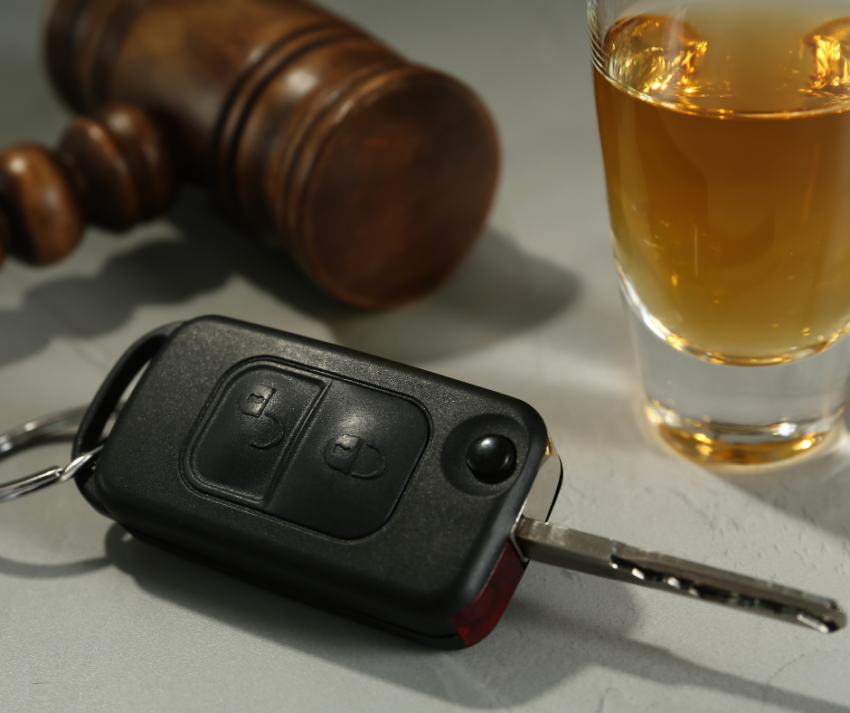
Every 42 minutes, someone in the United States dies in a drunk driving crash. If you or someone you love has been hit by a drunk driver, the moments, days, and weeks that follow can feel completely overwhelming. You’re dealing with physical injuries, emotional trauma, insurance companies, police reports, and legal questions — all at once, often while still in shock.
This article walks you through everything you need to know: the alarming statistics, what to do immediately after the crash, your legal rights, how compensation works, and how to protect yourself every step of the way. Whether the accident just happened or you’re trying to figure out your next move, this guide has you covered.
The Shocking Reality: Drunk Driving Statistics You Need to See
Before diving into what to do if you’ve been hit by a drunk driver, it’s important to understand just how widespread and deadly this problem really is. These aren’t just numbers — each one represents a real person, a real family, and a completely preventable tragedy.
How Many People Are Killed or Injured in Drunk Driving Crashes Each Year?
The scale of alcohol-impaired driving in America is staggering. Consider these key facts:
| Statistic | Data |
|---|---|
| Deaths in drunk-driving crashes (2023) | 12,429 |
| Deaths in drunk-driving crashes (2022) | 13,524 |
| Average daily deaths from drunk driving | ~34 per day |
| People injured in drunk-driving crashes per year | ~290,000 |
| Percentage of all traffic fatalities (2023) | 30% |
| Someone injured in a drunk driving crash | Every 2 minutes |
| Someone killed in a drunk driving crash | Every 42 minutes |
Sources: NHTSA, Responsibility.org
Alcohol-impaired driving has been a persistent public health crisis for decades. According to the National Highway Traffic Safety Administration (NHTSA), drunk drivers — those with a blood alcohol concentration (BAC) of 0.08% or higher — accounted for 30% of all traffic fatalities in the United States in 2023. That’s nearly one in three road deaths caused by a single, entirely preventable decision.
Over the past decade (2013–2022), an average of 11,000 lives were lost annually to drunk-driving crashes. And while fatalities dipped slightly in 2023 compared to 2022, the numbers remain historically high. Mothers Against Drunk Driving (MADD) reported that drunk driving killed more than 13,000 people for two consecutive years — 2021 and 2022 — signaling that the downward trend that lasted through most of the 2010s has stalled.
Suggested read: How Long Does It Take to Drive Across Texas? Everything You Need to Know Before You Go
Who Is Most Likely to Be Involved in a Drunk Driving Crash?
Not everyone faces the same risk. Certain groups are disproportionately affected when it comes to drunk driving accidents:
- Young men aged 21–34 are the most frequently impaired drivers in fatal crashes
- Nighttime drivers are 2.8 times more likely to be in an alcohol-impaired crash than daytime drivers
- Weekend crashes account for 43.4% of all alcohol-impaired fatal crashes
- Summer months (June–August) account for approximately 30% of all annual fatalities
- Nearly 40% of victims in drunk-driving crashes are passengers or people in other vehicles — meaning innocent bystanders often bear the worst consequences
Perhaps the most alarming fact of all: on average, a drunk driver will drive impaired 80 times before being arrested for the first time. By the time a crash happens, the at-fault driver may have been putting lives at risk for years.
State-by-State: Where Drunk Driving Is Worst
Geographic disparities in drunk driving are significant. Some states are far more dangerous than others:
| State | Key Statistic |
|---|---|
| Hawaii | 42% of fatal crashes involve legally drunk drivers — the highest in the nation |
| Texas | 1,699 deaths in alcohol-involved crashes — the most of any state |
| South Carolina | 43% of fatal crashes involve a drunk driver |
| Rhode Island | 43% of fatal crashes involve a drunk driver |
| California | 1,355 alcohol-involved crash deaths in 2023 |
| Florida | 839 alcohol-involved crash deaths in 2023 |
Immediate Steps to Take After Being Hit by a Drunk Driver
If you have just been hit by a drunk driver, the actions you take in the first few minutes and hours after the crash can make a significant difference — not only for your health and safety, but also for any future legal or insurance claim you may pursue. Here is what to do, step by step.
Step 1: Call 911 Immediately
The very first thing you should do after being hit by a drunk driver is call 911. Do not assume someone else has already done it. When you call, provide:
- Your exact location
- The nature of the accident
- Any visible injuries
- The fact that you believe the other driver is intoxicated
Why this matters: Police will arrive on the scene, assess the situation, and may administer a field sobriety test or breathalyzer. If the driver’s BAC tests above the legal limit, this becomes powerful evidence in your favor. The official police report documenting their intoxication will be one of the most important pieces of evidence in any future claim or lawsuit.
Step 2: Do Not Move If You Are Injured
If you are seriously injured, stay where you are and wait for emergency medical services. Moving can sometimes worsen certain injuries, particularly those involving the spine or neck. If you are able to move safely, exit the vehicle if there is a risk of fire and move away from traffic.
Suggested read: Royal Drive: Everything You Need to Know About This Premium Residential Experience
Step 3: Document Everything at the Scene
If you are physically able to do so, begin documenting the scene as thoroughly as possible:
- Photograph the vehicles from multiple angles, showing the damage
- Photograph any visible injuries you have sustained
- Take photos of the road, skid marks, traffic signals, and surroundings
- Note any open containers of alcohol visible in the other vehicle and photograph them
- Record the other driver’s behavior — slurred speech, unsteady gait, the smell of alcohol
- Get witness information — names, phone numbers, and a brief description of what they saw
- Write down everything while it’s fresh in your memory, including the time, weather, and what happened in sequence
Step 4: Seek Medical Attention — Even If You Feel Fine
One of the most critical mistakes victims make after being hit by a drunk driver is not seeking immediate medical attention. Adrenaline can mask significant pain and injury. Conditions like internal bleeding, traumatic brain injuries, whiplash, and soft tissue damage may not be apparent until hours or even days after the crash.
Seeing a doctor immediately serves two purposes. First, it ensures you receive the treatment you need. Second, it creates a documented medical record that directly connects your injuries to the accident. Without this documentation, an insurance company can argue that your injuries were pre-existing or were not caused by the crash — dramatically reducing your compensation.
Step 5: Report the Accident to Your Insurance Company
After receiving medical attention, contact your own insurance company and report the accident. Provide all relevant details, including:
- The other driver’s name, address, and license plate number
- Their vehicle make and model
- Their insurance provider and policy number
- The fact that the driver was believed to be intoxicated
- The police report number
Important: Be careful about what you say to the other driver’s insurance company. Their goal is to minimize payout. Stick to the basic facts, avoid admitting any fault, and consider waiting until you have legal representation before giving a recorded statement.
Step 6: Contact an Experienced Personal Injury Attorney
This step is arguably the most important action you can take after being hit by a drunk driver. A skilled personal injury attorney will:
- Review your case and advise you on your legal options
- Gather and preserve evidence on your behalf
- Identify all liable parties (not just the driver)
- Negotiate with insurance companies to maximize your compensation
- Represent you in court if a fair settlement cannot be reached
Most personal injury attorneys work on a contingency fee basis, meaning they only get paid if you win — typically around 33% of the settlement. They usually offer free initial consultations, so there is no financial risk to seeking legal advice early.
Suggested read: Tennessee Driver's License Renewal Online: Everything You Need to Know for 2025
“Victims of drunk driving accidents can pursue multiple options for compensation including filing claims with the drunk driver’s insurance company, seeking compensatory and punitive damages, and will likely benefit from legal representation to navigate insurance and legal issues.” — Broughton Injury Law
Your Legal Rights After Being Hit by a Drunk Driver
One of the most common questions victims ask is: “I was hit by a drunk driver — what am I entitled to?” The answer is that you may be entitled to far more than you realize. Understanding your legal rights is essential to getting the full compensation you deserve.
Who Is Liable in a Drunk Driving Accident?
The obvious answer is the drunk driver — but liability can extend much further than that. Depending on the circumstances of your accident, the following parties may also be held legally responsible:
- The drunk driver — The primary liable party. They made the decision to get behind the wheel while impaired.
- A bar, restaurant, or liquor store — Under “dram shop” laws in many states, establishments that serve alcohol to a visibly intoxicated person may be liable for damages caused by that person.
- A social host — In some states, a private individual who provided alcohol to a guest who later caused a crash may be held liable, particularly if the guest was underage.
- An employer — If the drunk driver was operating a company vehicle or was driving as part of their job duties, their employer may share liability.
- Vehicle owner — If someone lent their car to a person they knew to be impaired, they may face liability as well.
Identifying all potentially liable parties is one of the key reasons to work with an experienced attorney. Missing one source of compensation can leave you significantly undercompensated.
What Compensation Can You Recover?
If you have been injured by a drunk driver, you can seek compensation for the following:
Economic Damages (Financial Losses with a Specific Dollar Value)
- Emergency room visits and hospitalization costs
- Surgeries, physical therapy, and ongoing rehabilitation
- Future medical expenses related to the injury
- Lost wages from time missed at work
- Loss of future earning capacity if the injury is permanent
- Vehicle repair or replacement costs
- Transportation expenses and in-home care costs
- Assistive devices such as wheelchairs or prosthetics
Non-Economic Damages (Intangible Losses)
- Pain and suffering
- Emotional distress and PTSD
- Loss of enjoyment of life
- Loss of consortium (for spouses and partners)
- Disfigurement or permanent disability
Punitive Damages
Suggested read: Can You Still Drive for Uber After an Accident? What Every Driver Must Know
This is where drunk driving cases differ significantly from ordinary car accident claims. In many states, victims of drunk driving accidents are also entitled to seek punitive damages — compensation designed not to cover losses, but to punish the at-fault driver for reckless or intentional misconduct. Because driving drunk is considered gross negligence, courts are often willing to award punitive damages on top of compensatory damages, which can substantially increase the total recovery.
Some states, like North Carolina, have even removed the standard cap on punitive damages in drunk driving cases specifically, recognizing the egregious nature of the conduct.
What If the Drunk Driver Has No Insurance?
Unfortunately, many drunk drivers are uninsured or underinsured. If you find yourself in this situation, you still have options:
- Uninsured/Underinsured Motorist (UM/UIM) Coverage: If you have this coverage on your own auto policy (which is highly recommended), you can file a claim with your own insurer. Typical UM/UIM policy limits range from $25,000 to $100,000.
- Dram Shop Claims: As mentioned above, if a bar or restaurant over-served the driver, they may be liable.
- Personal Assets: Your attorney can look into the drunk driver’s personal assets to see if direct recovery is possible.
What Is the Statute of Limitations for a Drunk Driving Lawsuit?
Each state sets its own deadline — known as the statute of limitations — for filing a personal injury lawsuit. Common deadlines include:
| State | Statute of Limitations |
|---|---|
| Florida | 2 years from the date of crash |
| Illinois | 2 years from the date of crash |
| North Carolina | 3 years from the date of crash |
| California | 2 years from the date of crash |
| Texas | 2 years from the date of crash |
Missing this deadline means losing your right to compensation entirely, regardless of how strong your case is. This is another critical reason to consult with an attorney as soon as possible after your accident.
Types of Injuries Commonly Suffered by Drunk Driving Victims
Being hit by a drunk driver often results in more severe injuries than typical car accidents. This is because impaired drivers tend to be driving at higher speeds, failing to brake, or driving erratically — often leading to head-on collisions, T-bone crashes, or high-speed rear-end impacts.
Common injuries include:
Suggested read: Why You Need a Distracted Driver Attorney After a Car Accident
- Traumatic Brain Injuries (TBI): Ranging from mild concussion to severe, permanent cognitive impairment
- Spinal Cord Injuries: Can result in partial or complete paralysis
- Broken Bones: Arms, legs, ribs, pelvis, and facial bones
- Internal Organ Damage: Ruptured spleen, liver laceration, internal bleeding
- Soft Tissue Injuries: Whiplash, torn ligaments, and muscle damage
- Burns: From vehicle fires resulting from the collision
- PTSD and Psychological Trauma: Anxiety, depression, and post-traumatic stress disorder are extremely common among survivors
- Wrongful Death: Sadly, many victims of drunk driving collisions do not survive
The long-term cost of treating these injuries can be enormous. According to the National Safety Council, the average cost of a medically consulted injury from a motor vehicle crash is tens of thousands of dollars — and severe injuries can cost millions over a lifetime.
The Criminal vs. Civil Case: Understanding Both Paths
Many victims are surprised to learn that being hit by a drunk driver can result in two separate legal proceedings — a criminal case and a civil case. Understanding how both work is important.
The Criminal Case
The criminal case is brought by the government (the state or municipality) against the drunk driver. The goal is punishment — fines, license suspension, mandatory alcohol treatment, and potentially jail or prison time. As a victim, you generally cannot control this process, but you may be able to:
- Provide a victim impact statement
- Testify as a witness
- Receive restitution as part of the sentencing
Restitution is money the court orders the criminal defendant to pay to cover some of your losses. However, restitution in criminal cases is often limited and may not cover everything you’ve lost.
The Civil Case
The civil case is brought by you (or your attorney on your behalf) against the drunk driver. The goal is compensation. The great news: you can pursue a civil lawsuit even if the criminal case is dropped, the charges are reduced, or the driver is not convicted of DUI. The standard of proof in civil court is lower than in criminal court — you only need to show liability by a “preponderance of the evidence” (meaning it’s more likely than not that the driver was negligent), not “beyond a reasonable doubt.”
You can pursue both restitution through the criminal process and compensation through the civil process, but you cannot be compensated twice for the same losses.
Drunk Driving: A Case Study in Preventable Tragedy
The Abbas Family Legacy
In January 2019, a drunk driver killed the entire Abbas family of Michigan — Issam, Rima, Ali, Isabella, and Giselle. All five family members perished in a single crash caused by one person’s decision to drive drunk. Their deaths became the catalyst for federal legislation. The HALT (Honoring the Abbas Family Legacy to Terminate) Drunk Driving Act was passed as part of the 2021 Bipartisan Infrastructure Law, directing the NHTSA to require automakers to build passive drunk driving prevention technology into all new passenger vehicles. When fully implemented, this technology is estimated to save more than 10,000 lives per year, according to the Insurance Institute for Highway Safety.
Suggested read: What a Drunk Driver Accident Lawyer Can Do for You After a DUI Crash
This case illustrates a powerful truth: the impact of being hit by a drunk driver extends far beyond the individual victim. It reshapes families, communities, and ultimately, public policy.
How to Prove the Driver Was Drunk
Building a strong case after being hit by a drunk driver requires solid evidence. Here are the key types of evidence that can support your claim:
- Police Report: The single most important document — should include the officer’s observations of intoxication and any DUI arrest
- BAC Test Results: Breathalyzer or blood test results showing a BAC at or above 0.08%
- Field Sobriety Test Results: Any standardized field sobriety test administered at the scene
- Witness Statements: Eyewitness accounts of the driver’s erratic behavior, the smell of alcohol, or visible intoxication
- Dashcam or Surveillance Footage: Video evidence of impaired driving behavior
- Social Media Evidence: Posts showing the driver was drinking before the crash
- Credit Card or Bar Receipts: Records showing alcohol purchases prior to the accident
- Expert Testimony: Accident reconstruction specialists or toxicologists
Even if the driver is not charged with or convicted of DUI in criminal court, strong civil evidence of impairment can still support a successful personal injury lawsuit.
What Happens if You Were Partially at Fault?
In many states, being partially at fault for an accident does not necessarily prevent you from recovering compensation. States follow different rules:
- Pure Comparative Negligence States (e.g., California): You can recover damages even if you were 99% at fault, but your compensation is reduced by your percentage of fault. For example, if you were 20% at fault and your damages total $100,000, you recover $80,000.
- Modified Comparative Negligence States (e.g., Florida): You can recover only if you were less than 50% (or 51%, depending on the state) at fault.
- Contributory Negligence States (e.g., North Carolina, in general): If you were any percentage at fault, you typically cannot recover — however, North Carolina exempts drunk driving cases from this rule, allowing victims to recover even in contributory negligence states.
How MADD Supports Drunk Driving Victims
If you or a loved one has been hit by a drunk driver, you don’t have to go through it alone. Mothers Against Drunk Driving (MADD) is one of the most important resources available to victims and survivors.
Founded in 1980 by a mother whose daughter was killed by a drunk driver, MADD has helped save more than 400,000 lives, reduced drunk driving deaths by more than 50%, and provided supportive services to nearly one million victims and survivors at no charge. Their services include:
- A 24-Hour Victim Help Line: 1-877-MADD-HELP (1-877-623-3435)
- Local victim advocates who can help navigate criminal and civil proceedings
- Emotional support and counseling referrals
- Help understanding your rights as a crime victim
MADD also offers its services to family members of victims killed by drunk drivers — including help with understanding wrongful death claims and accessing victim compensation funds.
Wrongful Death Claims: When a Loved One Is Killed by a Drunk Driver
If a family member has been killed by a drunk driver, surviving relatives may be entitled to file a wrongful death lawsuit. Wrongful death claims are handled similarly to personal injury claims, but the claimants are the surviving family members rather than the victim.
Suggested read: How Fast Can You Drive in 4 High? Speed Limits, Safety Tips & What Every Driver Must Know
Family members who may be eligible to file include:
- Spouses or domestic partners
- Children (including adult children)
- Parents (in some states)
- Siblings or other dependents (in some states)
Compensation in a wrongful death case can include:
- Funeral and burial expenses
- Medical bills incurred before death
- Lost financial support the deceased would have provided
- Loss of companionship, guidance, and care
- Pain and suffering of surviving family members
- Punitive damages against the drunk driver
It is crucial to act quickly. Wrongful death statutes of limitations vary by state, typically ranging from 1 to 3 years from the date of death. Missing this deadline permanently forecloses the family’s right to sue.
Tips for Protecting Yourself from Drunk Drivers on the Road
While you cannot control the choices of other drivers, there are steps you can take to reduce your risk of being hit by a drunk driver:
- Avoid peak risk times: Drunk driving crashes spike on weekends, particularly between 9 PM and 3 AM. Be especially cautious during these hours.
- Watch for warning signs: Swerving, sudden braking, driving without headlights, drifting between lanes, and driving at inconsistent speeds are all red flags.
- Keep your distance: If you suspect a driver ahead of you is impaired, slow down and increase your following distance. Do not attempt to pass them.
- Pull over and call 911: If you observe dangerous driving, safely pull over and call 911. Provide the dispatcher with the vehicle’s location, direction of travel, make, model, color, and license plate number if possible.
- Always wear a seatbelt: In 2022, seatbelts significantly reduced the risk of death in alcohol-impaired crashes. This simple action is one of the most effective protections available.
- Carry adequate insurance: Make sure your policy includes uninsured and underinsured motorist (UM/UIM) coverage. This is your financial safety net if you are hit by an uninsured drunk driver.
- Plan for nights out: Use rideshare apps, designated driver programs, or public transportation when alcohol is involved.
Call to Action: Were You Hit by a Drunk Driver? Here’s What to Do Right Now
If you or a loved one has been hit by a drunk driver, time is not on your side. Every day that passes can result in lost evidence, faded witness memories, and deadlines getting closer.
Here is what you should do right now:
- Seek medical attention if you haven’t already — your health is the priority
- Get the police report from the accident
- Document your injuries and expenses starting immediately
- Contact MADD for victim support: 1-877-MADD-HELP
- Consult with a personal injury attorney — most offer free consultations and work on contingency
You deserve justice, and you deserve fair compensation for what happened to you. Don’t let the at-fault driver or their insurance company minimize what you’ve been through. An experienced attorney who handles drunk driving accident cases can fight for your rights and help you secure the compensation that allows you to rebuild your life.
Suggested read: Drunk Driver Accident Attorney: Your Path to Justice and Maximum Compensation After an Impaired Driving Crash
Frequently Asked Questions (FAQs) About Being Hit by a Drunk Driver
What should I do first if I am hit by a drunk driver?
Call 911 immediately, even if injuries seem minor. Report your location and inform the dispatcher that you believe the other driver is intoxicated. Stay at the scene, gather evidence if you are able to do so safely, seek medical attention as soon as possible, and contact a personal injury attorney to understand your legal rights.
Can I sue a drunk driver for damages?
Yes. If you have been hit by a drunk driver, you have the right to file a personal injury lawsuit against the driver to recover compensation for medical expenses, lost wages, property damage, pain and suffering, and potentially punitive damages. You can also sue even if the driver was not convicted of DUI in criminal court.
How much compensation can I get if I was hit by a drunk driver?
The amount of compensation depends on the severity of your injuries, the extent of your financial losses, available insurance coverage, and whether punitive damages apply. Cases involving serious or permanent injuries can result in settlements or verdicts ranging from tens of thousands to millions of dollars. An experienced attorney can evaluate your specific case and give you a realistic estimate.
What if the drunk driver who hit me has no insurance?
If the at-fault driver is uninsured or underinsured, you may be able to file a claim under your own uninsured/underinsured motorist (UM/UIM) coverage. You may also have claims against other parties such as bars, restaurants, or employers. An attorney can help identify all available sources of compensation.
How long do I have to file a lawsuit after being hit by a drunk driver?
The deadline — known as the statute of limitations — varies by state but is typically 2 to 3 years from the date of the accident. For wrongful death claims, it is often 2 years from the date of death. Missing this deadline permanently ends your right to sue, so it is critical to consult with an attorney as soon as possible.
Can I get punitive damages if I was hit by a drunk driver?
Yes. In many states, victims of drunk driving accidents are eligible to pursue punitive damages in addition to compensatory damages. Because driving under the influence is typically considered gross negligence or reckless conduct, courts may award punitive damages to punish the driver and deter similar behavior in the future.
What is dram shop liability?
Dram shop laws allow victims to hold bars, restaurants, liquor stores, and other alcohol-serving establishments liable if they over-served alcohol to a visibly intoxicated person who later caused an accident. If the drunk driver who hit you was served alcohol at a bar shortly before the crash, that establishment may share liability for your injuries.
Will I have to go to court if I was hit by a drunk driver?
Not necessarily. Many drunk driving accident cases are resolved through insurance settlements or out-of-court negotiations, often with the help of a personal injury attorney. However, if the insurance company refuses to offer a fair settlement, filing a lawsuit and going to trial may be necessary to recover the full compensation you deserve.
Is the drunk driver criminally charged separately from my civil lawsuit?
Yes. Criminal charges are brought by the government to punish the driver, while a civil lawsuit is brought by you to compensate for your losses. These are two separate legal proceedings. Even if the criminal case results in a plea deal, acquittal, or dropped charges, you can still pursue a civil lawsuit for damages.
Can family members of drunk driving victims get compensation?
Yes. Close family members of someone killed by a drunk driver can file a wrongful death lawsuit. Spouses and partners may also have a claim for loss of consortium. In a serious injury case, family members may be able to recover compensation for their own emotional suffering and loss of companionship.
Conclusion
Being hit by a drunk driver is a life-altering experience. The physical injuries, financial strain, and emotional trauma can feel impossible to overcome — especially when you know the crash was entirely preventable. But you are not powerless. The law is firmly on your side.
From the moment the crash happens, every step you take — calling 911, seeking medical care, documenting the scene, and consulting with a personal injury attorney — builds the foundation for the justice and compensation you deserve. Drunk driving kills over 12,000 Americans every year, and nearly 290,000 more are injured. Behind every one of those numbers is a person who deserves to be treated with dignity, to have their losses acknowledged, and to hold the responsible party accountable.
If you have been hit by a drunk driver, do not wait. Reach out to a qualified personal injury attorney, contact MADD for victim support, and take the first step toward reclaiming your life.
Citations & Sources:
- National Highway Traffic Safety Administration (NHTSA): https://www.nhtsa.gov/risky-driving/drunk-driving
- Mothers Against Drunk Driving (MADD): https://madd.org
- The Foundation for Advancing Alcohol Responsibility: https://www.responsibility.org/alcohol-statistics/drunk-driving-statistics/drunk-driving-fatality-statistics/
- FindLaw – Hit by a Drunk Driver: https://www.findlaw.com/injury/car-accidents/i-was-hit-by-a-drunk-driver-who-is-liable.html
- SafeHome.org Drunk Driving Statistics: https://www.safehome.org/resources/dui-statistics/
- Centers for Disease Control and Prevention (CDC) – Impaired Driving
- SafeTREC – UC Berkeley Traffic Safety Facts 2025