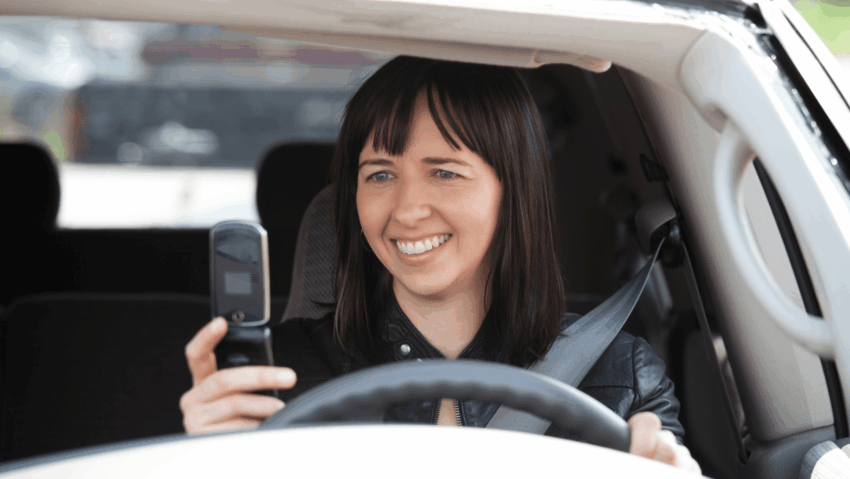
Being struck by a distracted driver transforms lives in an instant. One moment you’re driving safely, the next you’re dealing with devastating injuries because someone couldn’t put down their phone. The physical pain, emotional trauma, and mounting medical bills create overwhelming stress. When a driver’s careless decision to text, eat, or check social media causes serious harm, victims deserve comprehensive compensation and accountability.
A distracted driver accident lawyer specializes in holding negligent drivers responsible for the preventable crashes they cause. These legal professionals understand the unique challenges of proving distraction, identifying liable parties, and maximizing compensation for victims. In 2024, distracted driving caused approximately 3,000 deaths and over 400,000 injuries nationwide, making experienced legal representation critical for recovering what you deserve while you focus on healing.
Understanding Distracted Driving: The Leading Preventable Cause of Accidents
Distracted driving encompasses any activity that diverts attention from safe driving. There are three types of distraction: visual, manual, and cognitive. Visual distractions take your eyes off the road, manual distractions remove your hands from the wheel, and cognitive distractions shift your mental focus away from driving. The most dangerous activities combine all three types simultaneously.
Cell phone use, particularly texting while driving, remains the most dangerous form of distracted driving. When drivers text, they engage in visual distraction by looking at their screen, manual distraction by typing with their hands, and cognitive distraction by thinking about their message instead of traffic conditions. This deadly trifecta explains why texting creates such catastrophic crash risks.
Common forms of distracted driving include:
- Cellphone use – texting, calling, browsing social media, using apps, checking email
- Eating and drinking – consuming food or beverages while operating a vehicle
- Personal grooming – applying makeup, shaving, combing hair
- Passenger interactions – conversing with or attending to passengers, especially children
- Adjusting controls – changing radio stations, climate settings, or navigation systems
- Reading – looking at maps, documents, or digital screens
- Daydreaming – allowing your mind to wander from driving tasks
The Devastating Impact of Taking Your Eyes Off the Road
Answering a text takes away your attention for about five seconds. Traveling at 55 mph, that’s enough time to travel the length of a football field. Imagine driving an entire football field with your eyes completely closed—that’s the reality every time a driver glances at their phone to read or send a message.
A study by Carnegie Mellon University showed that listening to a cell phone reduced brain activity associated with driving by 37 percent. Even hands-free phone conversations significantly impair driving ability, contrary to popular belief that hands-free devices solve the distraction problem. The cognitive distraction of conversation reduces drivers’ awareness of traffic conditions, road hazards, and pedestrians.
Alarming Distracted Driving Statistics That Demand Legal Action
The scope of distracted driving devastation continues growing despite increased awareness campaigns. In 2023, 3,275 people were killed in distraction-affected crashes, 8% of all traffic deaths. These deaths represent completely preventable tragedies that occurred because drivers chose momentary convenience over road safety. Every single victim left behind grieving families whose lives changed forever.
An estimated 324,819 people were injured in crashes involving distracted drivers in 2023, up from 289,310 injuries in 2022. This increase demonstrates that despite public awareness efforts, distracted driving remains an escalating crisis. The human toll extends far beyond statistics—these numbers represent real people suffering catastrophic injuries, permanent disabilities, and life-altering trauma.
Suggested read: Drunk Driver Accident Attorney: Your Path to Justice and Maximum Compensation After an Impaired Driving Crash
At any given time throughout the day, approximately 660,000 drivers are attempting to use their phones while behind the wheel of an automobile. This staggering figure reveals the pervasive nature of the problem. Even though most drivers understand the dangers, many convince themselves they can safely multitask while driving.
Texting While Driving: The Most Dangerous Distraction
In 2024, approximately 30% of all distracted driving crashes involved a driver using their phone. Mobile devices have become such integral parts of daily life that many drivers feel compelled to check notifications, respond to messages, or browse social media even when operating vehicles at highway speeds.
Survey data reveals concerning generational patterns. In 2024, 55% of younger drivers (Gen Z and Millennials) reported texting while driving. This demographic represents the highest-risk group for text-related crashes. Older generations also engage in distracted driving, though at somewhat lower rates—demonstrating this dangerous behavior transcends age boundaries.
60.2% of respondents reported talking on the phone while driving, while 47% admitted to sending or receiving a text message while driving. These self-reported figures likely underestimate actual behavior, as many drivers underreport activities they know are dangerous and illegal. The gap between what drivers know is safe and what they actually do behind the wheel remains disturbingly wide.
Recent Trends Show Both Progress and Ongoing Challenges
Positive developments emerged in 2024. Phone-based distraction fell 8.6% in 2024, the second consecutive year of improvement, preventing an estimated 105,000 crashes, 59,000 injuries and 480 fatalities. This decline resulted from stronger laws, increased enforcement, expanded hands-free regulations, and greater public awareness about distracted driving dangers.
Phone motion distraction, when drivers are physically handling their phones, declined 11.3% in 2024 to 1 minute and 22 seconds per driving hour. While any improvement saves lives, drivers still spend over a minute each hour physically manipulating phones while operating vehicles. Additional progress requires continued education, enforcement, and cultural shifts regarding acceptable driving behavior.
Why You Need a Distracted Driver Accident Attorney After a Crash
Hiring a distracted driving accident lawyer dramatically improves your chances of fair compensation. One survey found that injured parties who hired an attorney for their car accident had an average settlement of $44,600, while those who handled their own claims averaged only $13,900. This substantial difference reflects attorneys’ abilities to properly value claims, negotiate effectively, and leverage evidence to maximize recovery.
Insurance companies employ teams of adjusters, investigators, and lawyers focused on minimizing payouts. When you attempt to handle claims alone, you face skilled professionals trained to exploit your unfamiliarity with legal processes and settlement values. They know most accident victims lack knowledge about fair compensation ranges and will accept inadequate settlements simply to resolve stressful situations quickly.
A qualified distracted driving attorney levels the playing field by providing expert representation throughout the entire claims process. Your lawyer handles all communications with insurance companies, preventing you from making statements that could damage your case. They gather evidence, consult experts, calculate comprehensive damages, and negotiate aggressively for settlements that reflect your true losses.
Suggested read: Uninsured Driver Lawyer: Your Path to Fair Compensation After an Accident
Critical Services Provided by Distracted Driving Lawyers
Professional legal representation offers essential services that dramatically improve case outcomes:
- Comprehensive accident investigation to establish distraction and liability
- Evidence preservation including cellphone records, surveillance footage, and witness statements
- Expert witness coordination with accident reconstructionists and medical professionals
- Damage calculation covering current and future medical costs, lost earnings, and pain and suffering
- Insurance negotiations to demand fair settlements reflecting true claim values
- Trial representation when insurance companies refuse adequate compensation
- Multi-party liability identification to maximize available compensation sources
Proving Distraction: How Lawyers Build Compelling Cases
Successfully proving a driver was distracted requires thorough investigation and strategic evidence gathering. The attorney may talk to witnesses to check if they can back up your claim that the other party was texting and driving. Eyewitness testimony from other drivers, passengers, or pedestrians who observed the at-fault driver looking down at their phone provides powerful evidence.
Your distracted driver accident attorney can subpoena cellphone records showing incoming calls, outgoing texts, app usage, and internet activity at the exact time of the crash. These records create irrefutable proof that drivers were using devices when they should have been focused on the road. Phone companies maintain detailed logs that skilled attorneys know how to obtain and present effectively.
Additional evidence sources include:
- Police reports documenting officer observations and driver statements
- Surveillance camera footage from traffic cameras, businesses, or residential security systems
- Vehicle black box data showing speed, braking, and steering inputs before impact
- Crash scene photographs revealing phone positions, food containers, or other distraction evidence
- Social media posts timestamped near the accident time showing driver activity
- Admission statements where drivers acknowledge checking phones or eating while driving
Modern Technology Aids Distraction Proof
Some states are exploring advanced technologies to prove distracted driving. Nevada and New York are considering allowing police to scan cell phones using “textalyzer” technology to determine if a phone was in use leading up to a crash. This device, similar to breathalyzers for alcohol detection, analyzes phones to reveal recent usage patterns without accessing message content.
Even without textalyzer technology, police are able to determine the role of distracted driving using other tools including cell phone records, eyewitness accounts, and even data from the vehicles involved in an incident. Modern vehicles contain event data recorders capturing detailed information about driver inputs immediately before crashes, providing objective evidence of distracted behavior.
Types of Compensation Available in Distracted Driving Cases
Victims of distracted driving accidents can pursue multiple categories of damages to compensate for their losses and suffering. Understanding these categories helps ensure you recover the full amount deserved for the harm a negligent driver caused.
Economic Damages: Measurable Financial Losses
Economic damages include medical expenses, property damage, loss of earnings and earning potential. These damages have specific monetary values attached to them, making calculation relatively straightforward with proper documentation. However, victims must account for both past and future economic losses to receive fair compensation.
Medical expenses represent the largest economic damage category for most victims:
Suggested read: What a Drunk Driver Accident Lawyer Can Do for You After a DUI Crash
- Emergency treatment including ambulance transport, emergency room care, and initial stabilization
- Hospitalization costs for surgeries, intensive care, and inpatient recovery
- Ongoing medical care including doctor visits, physical therapy, rehabilitation, and specialist consultations
- Prescription medications for pain management, infection prevention, and condition treatment
- Medical equipment such as wheelchairs, crutches, braces, and assistive devices
- Home modifications like wheelchair ramps, bathroom adaptations, and bedroom relocations
- Future medical needs based on expert testimony about long-term treatment requirements
Lost wages and earning capacity also constitute significant economic damages. Victims recover compensation for time missed from work during recovery, reduced earning potential from permanent disabilities, lost promotion opportunities, and diminished career advancement prospects. A car accident attorney can obtain your earnings and salary information to calculate the lost earnings and lost earning capacity compensation to which you can be entitled.
Property damage compensation covers vehicle repairs or replacement value, damaged personal belongings like laptops or phones, and costs for rental cars during vehicle repairs. Accident victims should document all property losses thoroughly to maximize recovery.
Non-Economic Damages: Intangible Suffering and Loss
Non-economic damages don’t come with a bill, but they affect your life. Examples include pain and suffering, loss of consortium, loss of enjoyment of life. These damages compensate for subjective losses that don’t have specific price tags but dramatically impact victims’ quality of life.
Pain and suffering damages account for physical pain from injuries, chronic discomfort during recovery, and ongoing pain from permanent conditions. Mental anguish, anxiety, depression, post-traumatic stress disorder, and emotional distress from the accident also qualify for compensation. Victims dealing with permanent disfigurement, scarring, or disabilities receive additional damages for these lasting impacts.
Loss of enjoyment of life compensates victims who can no longer participate in previously enjoyed activities. Sports, hobbies, travel, social events, and family activities that injuries prevent all contribute to these damages. Spouses can pursue loss of consortium claims for changed relationships, lost companionship, and reduced intimacy resulting from injuries.
Settlement Amount Factors and Ranges
Some cases are settled for a few thousand dollars, but a severe injury case may be worth six or seven figures. Multiple factors influence final settlement values, making each case unique based on specific circumstances and losses.
Factors That Increase Settlement Value:
| Factor | Impact on Compensation |
|---|---|
| Injury Severity | Catastrophic injuries, permanent disabilities, and life-altering conditions command highest settlements |
| Clear Evidence of Distraction | Cellphone records, witness testimony, and admissions strengthen claims significantly |
| Economic Losses | High medical bills and substantial lost wages increase total compensation |
| Permanent Impact | Disabilities affecting future earning capacity justify larger awards |
| Insurance Coverage | Higher policy limits from at-fault drivers allow greater recovery |
| Attorney Representation | Skilled lawyers secure substantially higher settlements than self-representation |
| Comparative Fault | Lower percentage of victim fault results in higher net recovery |
Settlement amount will depend on factors including the severity of injuries and the extent of financial losses. Victims who suffer permanent disabilities or injuries that require long-term medical treatment may be entitled to higher compensation amounts. Each case requires individual evaluation by experienced attorneys who understand local laws, jury attitudes, and insurance company negotiation tactics.
State Laws Affecting Distracted Driving Claims and Liability
Distracted driving laws vary significantly across states, impacting both criminal penalties and civil liability. Currently, 49 states, D.C., Puerto Rico, Guam, the Northern Mariana Islands and the U.S. Virgin Islands ban text messaging for all drivers. Montana remains the only state without a statewide texting ban, while Missouri only prohibits texting for drivers under age 21.
Suggested read: Uninsured Driver Lawyer: Your Legal Rights After a Crash
33 states, D.C., Puerto Rico, Guam, the Northern Mariana Islands and the U.S. Virgin Islands prohibit all drivers from using handheld cellphones while driving. These comprehensive bans reflect growing recognition that handheld phone use creates unacceptable risks regardless of whether drivers are texting or talking. States without handheld bans still typically restrict novice drivers and school bus drivers from all phone use.
Hands-Free Laws Expand Across the Nation
As of mid-2025, 30 states plus Washington, D.C., have full hands-free laws that prohibit all drivers from using handheld cellphones while driving. This expansion represents significant progress in creating safer roads through comprehensive distraction prevention. States implementing hands-free laws report measurable reductions in distracted driving crashes and fatalities.
In states that introduced hands-free laws in 2023 — Ohio, Alabama, Michigan and Missouri — distracted driving has decreased by an average of 11.8% since the laws began, preventing an estimated 31,000 crashes and 140 fatalities. Michigan leads these states with dramatic improvements, demonstrating that strong laws paired with enforcement produce real safety benefits.
Different states impose varying penalties for distracted driving violations. Vermont’s auto insurers apply the harshest insurance penalty for distracted driving, with a 56% premium increase (more than $600 per year). Oregon imposes the highest civil fine at $1,000 for a single texting violation. These penalties aim to deter dangerous behavior through significant financial consequences.
Comparative Negligence and Fault Allocation
Many states apply comparative negligence principles that can reduce compensation if victims share any fault for accidents. California is a pure comparative negligence state, which means damages are recoverable by someone based on the proportion of their fault. Under pure comparative negligence, victims can recover damages even if they’re 99% at fault, though their compensation reduces proportionally.
Other states use modified comparative negligence systems with 50% or 51% bars. Under these rules, victims cannot recover any damages if they’re found equally or more at fault than defendants. This makes establishing the distracted driver’s primary responsibility critical for successful claims.
For example, if a pedestrian struck by a distracted driver darted across the street where there was no crosswalk, the pedestrian’s actions could potentially come into play and have an impact on the eventual settlement amount. Insurance companies aggressively attempt to shift partial blame onto victims to reduce their liability. Experienced attorneys defend against these tactics by thoroughly investigating accidents and presenting evidence that clearly establishes distracted drivers’ negligence.
The Legal Process: What to Expect When Working With a Distracted Driving Attorney
Understanding the typical timeline and procedures helps set realistic expectations for your case. Winning a distracted driving insurance claim or personal injury lawsuit involves showing that the other driver was at fault for the accident. Your attorney will guide you through each phase while handling complex legal procedures on your behalf.
Immediate Steps After a Distracted Driving Accident
Actions taken immediately following crashes significantly impact your ability to prove liability and recover compensation:
- Seek medical attention immediately, even for seemingly minor injuries that may worsen later
- Call police to ensure official documentation and potential citation of the distracted driver
- Gather evidence including photos of injuries, vehicle damage, road conditions, and driver behavior
- Collect witness information from anyone who saw the accident or the driver’s distracted behavior
- Preserve your phone to show you weren’t using it at the time of the crash
- Avoid detailed statements to the at-fault driver’s insurance company before consulting an attorney
- Document everything related to medical treatment, expenses, and how injuries affect daily life
Gather information like the name and insurance info of the other driver, the names and contact information of any witnesses, and make note of any nearby surveillance cameras that may have captured the accident. Time-sensitive evidence can disappear quickly, making immediate documentation critical for building strong cases.
Suggested read: Drunk Driver Lawyer: Why You Need One After a DUI Crash
Investigation and Evidence Gathering Phase
Your distracted driver accident lawyer conducts comprehensive investigations to build compelling cases. Your attorney will thoroughly investigate your accident, seeking out videos from traffic or doorbell cameras, canvassing the area for more witnesses, examining black box data from the vehicles, and requesting phone records to show the other driver was distracted.
The investigation typically includes:
- Obtaining police reports and any citations issued to the distracted driver
- Subpoenaing cellphone records showing calls, texts, and app usage at crash time
- Reviewing available surveillance footage from traffic cameras, businesses, and residences
- Interviewing witnesses and obtaining sworn statements about what they observed
- Consulting accident reconstruction experts to analyze crash dynamics and causation
- Examining vehicle event data recorders (black boxes) for pre-crash driver inputs
- Working with medical experts to document injury severity and long-term prognosis
- Coordinating with economic experts to calculate lifetime financial losses
Settlement Negotiations and Trial Preparation
In many distracted driving cases, a seasoned auto accident attorney can negotiate an out-of-court settlement to avoid an expensive, lengthy trial. Most cases resolve through negotiations once insurance companies evaluate the strength of evidence and potential jury verdicts. However, attorneys must prepare every case as if it will go to trial to negotiate from positions of strength.
If distracted driving is proven, this will be shared with the liable driver’s insurance company in a demand letter. Demand letters present comprehensive evidence of distraction, liability, and damages while requesting specific settlement amounts. Insurance adjusters evaluate whether fighting the claim costs more than reasonable settlement offers.
If the insurance company argues that you’re at fault and we explain how much evidence we have to the contrary, there’s a good chance the insurance adjuster will reconsider settling the case. Demonstrating strong evidence and willingness to proceed to trial often motivates insurance companies to make fair settlement offers rather than risk potentially larger jury verdicts.
When settlements cannot be reached, the insurance company may not offer a fair settlement, so your attorney may go to court and present the case to a jury. Trial preparation involves drafting pleadings, conducting discovery, deposing witnesses, preparing exhibits, and developing persuasive trial strategies. Juries often sympathize with innocent victims injured by careless drivers who chose to text or use phones instead of paying attention to the road.
Special Considerations for Wrongful Death Claims
When distracted driving causes fatalities, surviving family members can pursue wrongful death claims for their devastating losses. When a distracted driving accident results in a wrongful death, the surviving family members of the victim may be able to file a wrongful death lawsuit against the negligent driver. These cases seek both accountability for the deceased and financial support for dependent family members.
In a wrongful death lawsuit, the family may be able to recover damages such as funeral expenses, medical expenses, lost wages, and pain and suffering. Wrongful death damages typically include funeral and burial costs, final medical expenses before death, lost financial support the deceased would have provided, loss of benefits like health insurance and retirement contributions, and loss of companionship for spouses and children.
In some cases, the family may also be able to recover damages for the loss of companionship and emotional distress caused by the death of their loved one. The mental anguish, grief, and emotional trauma surviving family members endure deserve recognition and compensation. No amount of money can replace a lost loved one, but financial recovery provides support during impossible times and holds negligent drivers accountable for the ultimate harm they caused.
Suggested read: Why You Need a Distracted Driver Attorney After a Car Accident
Eligibility to file wrongful death claims varies by state but typically includes surviving spouses, children, parents, and sometimes siblings or other dependents. An experienced attorney guides families through complex wrongful death litigation while they grieve their losses and begin rebuilding their lives.
Insurance Coverage Issues and Multiple Liable Parties
Insurance policy limits significantly impact available compensation in distracted driving cases. All drivers in Colorado must carry at least $25,000 in bodily injury liability insurance per person, $50,000 in bodily injury insurance per accident and $15,000 in property damage insurance</imate>. Similar minimum requirements exist across states, but these minimums rarely provide sufficient compensation for serious injuries.
When catastrophic injuries require hundreds of thousands in medical treatment, minimum coverage policies create obvious gaps. Car insurance is often inadequate for the full amount of losses endured after a car accident. This reality makes identifying additional insurance sources and potentially liable parties critical for maximizing recovery.
Uninsured and Underinsured Motorist Coverage
Your own insurance policy may provide essential compensation when at-fault drivers lack adequate coverage. Uninsured motorist (UM) coverage protects you when drivers have no insurance, while underinsured motorist (UIM) coverage fills gaps when their coverage proves insufficient. Many states require insurers to offer UM/UIM coverage, though it remains optional in some jurisdictions.
Purchasing UM/UIM coverage equal to your liability limits provides critical protection against inadequately insured distracted drivers. When accidents exceed at-fault drivers’ policy limits, your UIM coverage makes up the difference, ensuring you receive compensation closer to your true damages. This coverage represents one of the most valuable protections available to responsible drivers.
Identifying Additional Liable Parties
Creative legal strategies can identify compensation sources beyond obvious insurance policies:
- Employer liability when employees cause accidents within the scope of employment
- Vehicle owner liability when owners allow incompetent or unlicensed drivers to use vehicles
- Dram shop liability if drivers were intoxicated in addition to distracted
- Negligent entrustment when owners knowingly allow dangerous drivers to operate vehicles
- Third-party app developers in some cases involving app use while driving
- Product liability if vehicle design defects contributed to crash severity
Your distracted driving accident attorney investigates all potential liability theories to maximize available compensation. Multiple defendants often provide access to multiple insurance policies, substantially increasing total recovery amounts.
What NOT to Do After a Distracted Driving Accident
Victims often unknowingly damage their cases through well-intentioned actions. Avoiding common mistakes protects your ability to recover fair compensation and strengthens your legal position.
Never Give Recorded Statements to Insurance Companies
Insurance adjusters will contact you quickly requesting recorded statements about the accident. These statements are designed to trap you into making admissions, minimizing your injuries, or contradicting later testimony. Adjusters use friendly tones and seemingly innocent questions to gather information they’ll use against you in settlement negotiations or trial.
Suggested read: Unlicensed Driver in Accident Not at Fault: Your Rights and Legal Options Explained
Politely decline to provide recorded statements until consulting with your attorney. You have the right to legal representation before speaking with insurance companies. Once you hire an attorney, they handle all communications with insurers, preventing you from making damaging statements while protecting your rights.
Avoid Social Media Posts About Your Accident or Injuries
It is crucial to limit social media activity to prevent insurers from using it against the claim. Insurance companies routinely monitor victims’ social media accounts searching for evidence to devalue claims. Innocent posts about activities, travel, or social events can be used to argue your injuries aren’t as serious as claimed.
Set all social media accounts to private and avoid posting anything related to:
- Your accident, injuries, or legal case
- Physical activities that might contradict disability claims
- Vacation photos suggesting you’re not suffering
- Comments about the case, settlement offers, or insurance companies
- Photos showing you at parties, celebrations, or social gatherings
Even seemingly harmless content can be taken out of context. The safest approach involves avoiding social media entirely until your case resolves. Remember that “private” posts can still be discovered through legal proceedings if relevant to your claims.
Don’t Accept Quick Settlement Offers
Initial settlement offers from insurance companies should generally be rejected as inadequate. Most insurance agents make a lowball offer, hoping the victim won’t understand the value of their claim and will accept the money and walk away. Insurers know most victims face financial pressure from medical bills and lost wages, hoping quick, inadequate offers tempt acceptance before victims understand true case values.
Early settlement offers rarely account for future medical treatment needs, long-term disability or reduced earning capacity, maximum pain and suffering damages, or the full extent of injuries that may worsen over time. Once you accept settlements and sign releases, you permanently waive rights to additional compensation even if injuries prove more serious than initially diagnosed.
Your attorney will review the final settlement offer the insurance company makes and advise if it’s a fair offer or if there’s a better chance of getting more in a trial. Experienced attorneys understand fair settlement values based on similar case outcomes and local jury verdict trends. Trust their guidance rather than accepting insurance company pressure to settle quickly.
The Contingency Fee Advantage: Access to Justice Without Upfront Costs
One of the biggest concerns accident victims express about hiring attorneys involves cost. Our distracted driving accident attorneys in Denver operate on a contingency-fee basis, meaning you pay us no fees until we recover compensation for you. This arrangement eliminates financial barriers to quality legal representation, ensuring everyone can access experienced lawyers regardless of economic circumstances.
How contingency fee arrangements work:
Suggested read: Hit by DUI Driver: Your Rights, Compensation, and Legal Options Explained
- Free initial consultation to evaluate your case with no obligation to hire
- No upfront fees for attorney services, investigation costs, or expert witnesses
- Attorney advances all expenses for litigation, depositions, and trial preparation
- Payment only upon recovery through settlement or jury verdict
- Percentage-based fees typically ranging from 25-40% of total recovery
- No payment if no recovery meaning zero financial risk to clients
However, the good news is that with a personal injury lawyer on your side, you can hold the at-fault driver liable for damages and get compensated in full. Contingency fees ensure attorney and client interests align perfectly. Your lawyer earns more only by maximizing your recovery, creating strong motivation to secure the highest possible settlement or verdict.
This arrangement allows everyone to access top-quality legal representation regardless of financial circumstances. You don’t need savings or the ability to pay hourly legal fees to hold distracted drivers accountable. Justice becomes available to all accident victims, not just those who can afford expensive attorneys.
Take Action Now: Contact a Distracted Driver Accident Lawyer Today
If you or a loved one has been injured by a distracted driver, time is critical for protecting your legal rights and preserving evidence. Our New York car accident attorneys have helped hundreds of people file successful personal injury lawsuits in every type of vehicle accident. Don’t let insurance companies take advantage of you during this vulnerable time when you should be focusing on healing and recovery.
Contact an experienced distracted driver accident attorney immediately to:
- Receive a free case evaluation with no obligation or upfront costs
- Understand your legal rights and all available compensation options
- Preserve critical evidence before cellphone records, surveillance footage, or witness memories fade
- Meet filing deadlines dictated by statutes of limitations in your state
- Maximize your settlement through skilled negotiation and litigation when necessary
- Focus on healing while your legal team handles complex insurance negotiations and legal procedures
You should not have to add to the stress of a car accident by investigating it and negotiating for a settlement yourself. Let skilled legal professionals handle the complexities while you concentrate on physical and emotional recovery. You deserve justice and full compensation for the harm a negligent driver caused.
For additional guidance on protecting your legal rights after various types of traffic accidents, explore resources about distracted driver accident lawyer services and compensation available in your area. Understanding your options empowers you to make informed decisions about pursuing the justice and financial recovery you deserve.
Frequently Asked Questions About Distracted Driver Accident Lawyers
Do I really need a distracted driver accident lawyer for my case?
While you can legally represent yourself, hiring an experienced distracted driving accident attorney dramatically increases your chances of maximum compensation. Research shows that accident victims who hire lawyers receive average settlements of $44,600 compared to just $13,900 for those who handle claims themselves. Attorneys understand evidence requirements, insurance company tactics, and true claim values that most victims don’t. They identify all liable parties, calculate comprehensive damages including future losses, negotiate effectively with insurers, and litigate when necessary. Most importantly, attorneys working on contingency fees cost nothing unless they win your case.
How do lawyers prove the other driver was distracted?
Distracted driver accident attorneys use multiple evidence sources to prove distraction. They subpoena cellphone records showing calls, texts, and app usage at the exact crash time. Attorneys obtain police reports documenting officer observations and any admissions the driver made. They interview witnesses who saw the driver looking down at their phone or engaging in distracting activities. Surveillance footage from traffic cameras, businesses, or residences often captures distracted behavior. Vehicle black box data reveals sudden braking or steering inputs consistent with inattention. Some attorneys even obtain social media posts timestamped near the accident showing the driver was active on apps while driving.
What types of compensation can I recover after a distracted driving accident?
Victims can pursue multiple categories of damages including economic and non-economic losses. Economic damages include all medical expenses (emergency care, hospitalization, surgery, therapy, future treatment), lost wages and reduced earning capacity, property damage to vehicles and belongings, and out-of-pocket expenses for transportation and care assistance. Non-economic damages compensate for pain and suffering, emotional distress and mental anguish, loss of enjoyment of life, disfigurement and scarring, and loss of consortium for spouses. Settlement amounts vary dramatically based on injury severity, ranging from a few thousand dollars for minor injuries to six or seven figures for catastrophic cases involving permanent disabilities.
Suggested read: Can You Still Drive for Uber After an Accident? What Every Driver Must Know
How long do I have to file a lawsuit after being hit by a distracted driver?
Statute of limitations deadlines vary by state but typically range from 1-3 years from the accident date. Some states impose 2-year deadlines while others provide 3 years or more. Wrongful death claims may have different time limits than injury claims. Certain circumstances can extend or shorten these deadlines—cases involving minors may have tolled periods, while claims against government entities often require special notice within 30-180 days. Missing these deadlines permanently bars you from pursuing compensation regardless of how strong your case might be. Contact a distracted driver accident lawyer immediately after your crash to ensure all procedural requirements are met on time.
What if the distracted driver’s insurance isn’t enough to cover my damages?
When at-fault drivers lack adequate insurance coverage, several options exist for maximizing recovery. Your own uninsured/underinsured motorist coverage may provide additional compensation to fill gaps between actual damages and the other driver’s policy limits. Your attorney can identify other potentially liable parties such as the driver’s employer if the accident occurred during work, vehicle owners who negligently allowed incompetent drivers to use their cars, or establishments that served alcohol if the driver was also intoxicated. In some cases, attorneys can pursue the distracted driver’s personal assets, though many defendants have limited resources beyond insurance coverage.
How much does a distracted driver accident attorney cost?
Most distracted driving accident lawyers work on contingency fee arrangements, meaning you pay nothing upfront and only owe fees if you receive compensation. Typical contingency fees range from 25-40% of your total recovery, with the percentage often depending on whether your case settles or goes to trial. The attorney advances all case expenses including investigation costs, expert witness fees, court filing fees, and deposition costs. If you don’t recover compensation, you owe nothing for legal services or expenses. This arrangement eliminates financial barriers to representation and ensures attorney interests align perfectly with yours—they earn more only by maximizing your settlement or verdict.
Can I still recover compensation if I was partially at fault for the accident?
Recovery depends on your state’s comparative negligence laws and your percentage of fault. States with pure comparative negligence allow recovery even if you’re 99% at fault, though damages reduce proportionally by your fault percentage. States with modified comparative negligence (50% or 51% bar) prevent recovery if you’re equally or more at fault than the defendant. A few states apply contributory negligence, which completely bars recovery if you share any fault whatsoever. Your attorney will fight to establish the distracted driver’s complete responsibility while defending against allegations that you contributed to the accident through your own actions.
What evidence should I gather immediately after a distracted driving accident?
Collect as much evidence as possible at the accident scene and in following days. Take photos of all vehicle damage, visible injuries, road conditions, traffic signs, and the accident scene from multiple angles. Note the position of the other driver’s phone and any food containers, makeup items, or other potential distractions visible in their vehicle. Obtain contact information from all witnesses who observed the accident or the driver’s behavior. Request copies of police reports and any citations issued. Seek medical attention immediately and keep all treatment records. Document how your injuries affect daily activities through photos, journals, and statements from family members. Preserve your own cellphone to prove you weren’t distracted.
How long does it take to resolve a distracted driving accident case?
Case duration varies dramatically based on complexity, injury severity, and whether settlement negotiations succeed. Simple cases with clear liability and minor injuries might resolve in 3-6 months through early settlement agreements. More complex cases involving serious injuries, disputed liability, or multiple parties typically take 12-24 months to resolve. Cases that proceed to trial often extend 18-36 months or longer depending on court schedules and case backlogs. Your attorney can provide timeline estimates after evaluating your specific circumstances, but remember that thorough preparation often leads to better settlement outcomes than rushing to resolve cases prematurely.
What if the distracted driver fled the scene after hitting me?
Hit-and-run accidents involving distracted drivers create additional challenges but don’t prevent compensation recovery. Contact police immediately to report the fleeing driver and provide any identifying information like license plate numbers, vehicle descriptions, or driver appearance. Your uninsured motorist coverage often provides compensation for hit-and-run accidents when drivers cannot be identified. Police may locate the driver through witness statements, surveillance footage, or vehicle damage reports at repair shops. Even if the driver is never found, your attorney can help you access available insurance coverage and potentially pursue crime victim compensation funds to recover damages for your injuries and losses.
Sources and Citations
This article incorporates information from the following authoritative sources:
- NHTSA – Research Note: Distracted Driving in 2023
- Defensive Drivers Institute – Distracted Driving Statistics 2024
- The Zebra – Distracted Driving Statistics in 2026
- MoneyGeek – Distracted Driving Statistics: Deaths, Costs and Insurance
- Colorado DOT – Distracted Driving Fell 8.6% in 2024
- Governors Highway Safety Association – Distracted Driving Laws
- CEO Lawyer – Compensation After Distracted Driving Accident
- Vaziri Law Group – Los Angeles Distracted Driving Attorney
This article is for informational purposes only and does not constitute legal advice. Consult with a qualified distracted driver accident attorney in your jurisdiction for advice specific to your situation.