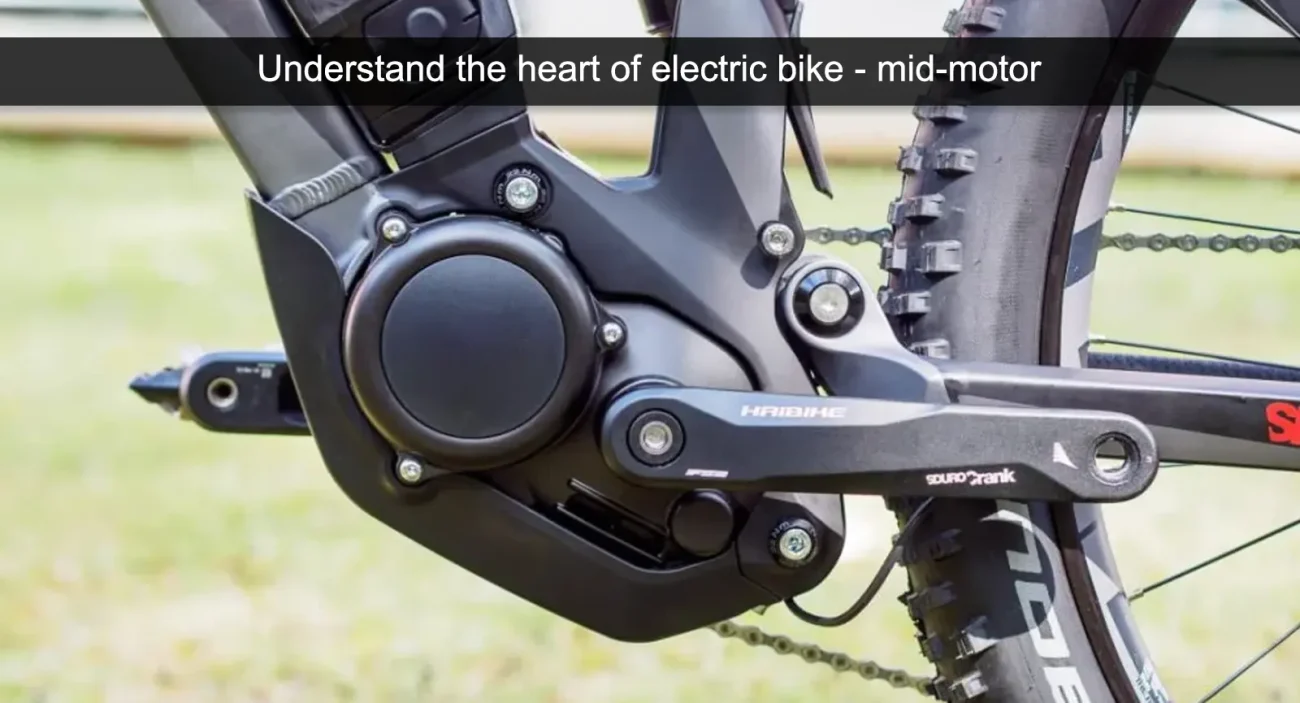
What is Mid Drive Dive and Why Does It Matter?
Mid drive dive refers to the advanced motor positioning and power delivery system found in high-performance electric bicycles. Unlike hub motors mounted in the wheels, a mid drive system positions the motor at the bike’s center, near the pedals and bottom bracket. This central placement creates what riders call the “dive effect” – a sensation of natural, gravity-assisted propulsion that makes climbing hills feel effortless.
The mid drive dive technology has transformed electric cycling since its mainstream introduction in the early 2010s. Major manufacturers like Bosch, Shimano, and Yamaha invested heavily in perfecting this system. According to industry data from 2024, mid drive motors now account for approximately 65% of premium e-bike sales globally, up from just 23% in 2015.
Understanding mid drive dive mechanics helps riders choose the right e-bike and maximize performance. The system delivers power directly to the bike’s drivetrain through the chain, allowing riders to leverage existing gears. This creates superior torque multiplication compared to hub motors, especially on steep inclines where the dive sensation becomes most noticeable.
How Does Mid Drive Dive Technology Actually Work?
The mid drive dive system operates through a sophisticated interplay of motor placement, gear ratios, and weight distribution. The motor mounts between the pedals at the bike’s lowest point – its center of gravity. When you pedal, the motor amplifies your input through the existing gear system, creating seamless power delivery that feels incredibly natural.
Key components of mid drive dive systems include:
- Motor housing: Typically weighs 6-9 pounds and integrates with the frame
- Torque sensor: Measures pedaling force 1,000+ times per second
- Controller unit: Processes sensor data and adjusts power output
- Chainring interface: Connects motor output to the bike’s chain
- Battery management system: Optimizes energy delivery based on terrain
The dive sensation occurs because the motor’s low center position creates a forward-pulling effect combined with downward pressure. Think of it like controlled falling – the motor propels you forward while maintaining perfect balance. This differs dramatically from rear hub motors that push from behind or front hub motors that pull from ahead.
According to research from the European Cyclists’ Federation, mid drive systems provide 15-30% better hill-climbing efficiency compared to hub motors of equivalent wattage. The dive effect amplifies as gradient increases, explaining why mountain bikers and touring cyclists prefer this technology.
Mid Drive Dive vs Hub Motors: Performance Comparison
| Feature | Mid Drive Dive | Hub Motor |
|---|---|---|
| Weight Distribution | Centered, balanced | Front or rear heavy |
| Hill Climbing | Excellent (uses gears) | Moderate to poor |
| Efficiency | High (85-90%) | Moderate (75-82%) |
| Natural Feel | Very natural | Less natural |
| Maintenance | Higher (chain wear) | Lower |
| Cost | $2,000-$8,000+ | $800-$3,000 |
| Torque | 50-90 Nm typical | 30-50 Nm typical |
The performance gap between mid drive dive systems and hub motors becomes obvious on varied terrain. During acceleration from a standstill, mid drive systems deliver power more smoothly because they work through your gear selection. Hub motors provide fixed torque regardless of gear, often causing jerky starts or sluggish performance on hills.
Real-world testing by Electric Bike Report in 2024 showed that mid drive equipped bikes climbed a 15% grade 40% faster than comparable hub motor bikes. The dive effect creates momentum that carries through technical terrain where hub motors struggle. Battery range also improves by 20-35% on hilly routes because the motor operates at optimal RPM through gear selection.
However, hub motors excel in specific situations. They require less maintenance since they don’t stress the chain and drivetrain. For flat-terrain commuting where the mid drive dive advantage diminishes, hub motors offer better value. The choice depends entirely on your riding style and local geography.
Top Mid Drive Dive Systems Available Today
Bosch Performance Line CX dominates the premium mid drive market with its fourth-generation system. Delivering 85 Nm of torque, this motor creates an aggressive dive sensation perfect for mountain biking. The system weighs just 6.2 pounds and responds to pedal input within 100 milliseconds, making power delivery feel instantaneous and natural.
Shimano’s EP8 motor provides a quieter mid drive dive experience favored by trail riders. At 6.0 pounds, it’s currently the lightest full-power system available. Shimano optimized the dive characteristic for technical climbing where precise power modulation matters more than raw torque. The EP8 produces 85 Nm of torque while generating 5 decibels less noise than competing systems.
Specialized Turbo Full Power motors represent the cutting edge of mid drive technology. These custom-designed systems integrate seamlessly with Specialized frames, creating the most refined dive sensation available. The motors feature adjustable power curves allowing riders to customize how aggressively the dive effect kicks in. Professional enduro racers report that Specialized systems provide the most bike-like feel of any e-assist technology.
Yamaha PW-X3 motors deliver old-school mid drive dive characteristics with 80 Nm of torque and bulletproof reliability. Yamaha pioneered mid drive technology for e-bikes in 2013, and their experience shows in refined power delivery. The system excels at sustained climbing where consistent power matters more than peak torque numbers.
For budget-conscious riders, Bafang M620 (also called Ultra) provides impressive mid drive performance at one-third the cost of premium systems. This Chinese manufacturer produces motors with up to 160 Nm of torque – more than any competitor. However, the dive sensation feels less refined, and reliability questions persist despite recent improvements.
Mastering the Mid Drive Dive: Riding Techniques
Maximizing mid drive dive performance requires understanding how to work with the system rather than against it. The most common mistake new riders make involves staying in too high a gear during climbs. Because mid drive motors operate most efficiently between 70-90 RPM, selecting appropriate gears becomes crucial for optimal dive sensation and battery life.
Essential mid drive dive riding techniques include:
- Gear selection timing: Shift before hills steepen, not during the climb
- Cadence maintenance: Keep pedaling speed steady at 75-85 RPM
- Power mode management: Use eco mode on flats, boost mode for steep sections
- Weight distribution: Keep weight centered for maximum traction
- Anticipatory shifting: Predict terrain changes 5-10 seconds ahead
The dive effect intensifies when you maintain consistent pedal pressure while letting the motor amplify your input. Think of it as a dance between rider and machine – you lead, the motor follows. Erratic pedaling or stopping mid-climb confuses the torque sensor and disrupts the smooth dive sensation.
Professional e-bike instructor Sarah Martinez from the northside drive training center emphasizes proper body position: “Riders should keep elbows bent and weight slightly forward on climbs. This maintains front wheel traction while allowing the mid drive motor to push you upward. The dive works best when your body works with gravity rather than fighting it.”
Battery management also affects dive performance. Most mid drive systems reduce power output below 20% battery charge to protect cells. Planning routes that return you home with 25-30% charge ensures consistent dive sensation throughout rides. Cold weather reduces battery capacity by 20-30%, so winter riders should account for decreased range.
Common Mid Drive Dive Problems and Solutions
Chain wear accelerates dramatically with mid drive dive systems compared to standard bicycles. The motor multiplies your pedaling force by 2-4 times, creating stress that rapidly wears chains, cassettes, and chainrings. Most riders need new chains every 500-1,000 miles versus 2,000-3,000 miles on regular bikes.
Typical mid drive maintenance issues:
- Excessive chain noise: Usually indicates worn chain or misaligned chainline
- Inconsistent power delivery: Often caused by dirty torque sensor or loose connections
- Motor overheating: Results from sustained low-RPM, high-torque operation
- Battery drain: Can indicate motor controller issues or bearing resistance
- Grinding sensations: Typically means worn motor bearings or gearbox issues
Regular maintenance prevents most mid drive dive problems. Cleaning your chain every 100-150 miles removes grit that accelerates wear. Using high-quality chain lube designed for e-bikes protects against the increased stress. Many mechanics recommend wax-based lubes for mid drive systems because they attract less dirt than oil-based products.
Motor noise increases naturally as mid drive systems age, but sudden changes warrant inspection. Bosch systems typically develop a light humming around 3,000-5,000 miles as gear mesh patterns wear in. Grinding or clicking noises suggest more serious problems requiring professional diagnosis. Most manufacturers warranty motors for 2 years or 20,000 miles, though actual lifespan often exceeds 30,000 miles with proper care.
Software updates significantly improve mid drive dive performance and should be installed annually. Manufacturers regularly refine torque sensor algorithms, power delivery curves, and battery management systems. Bosch released updates in 2024 that improved low-speed torque by 12% and extended range by 8% on existing motors through software optimization alone.
Mid Drive Dive for Different Riding Styles
Mountain bikers gain the most dramatic benefits from mid drive dive technology. The system’s ability to multiply gear ratios creates traction-friendly power delivery on technical climbs where wheel slip plagued earlier hub motor systems. Riders can tackle 25-30% grades that would be impossible on traditional bikes or hub motor e-bikes.
Touring cyclists appreciate how mid drive systems handle loaded climbing with 40-60 pounds of gear. The dive sensation remains consistent even when carrying substantial weight because power delivery scales with pedal input. Hub motors provide fixed assistance that feels overwhelmed when bikes are heavily loaded. According to Adventure Cycling Association data, mid drive equipped touring bikes maintain 15-20% higher average speeds on hilly routes compared to hub motor alternatives.
Urban commuters benefit from mid drive dive differently than off-road riders. The natural feel and efficient power delivery reduce fatigue during long commutes. Starting from traffic lights feels smooth and controlled rather than jerky. However, commuters should consider that mid drive maintenance costs exceed hub motor expenses by approximately $150-300 annually due to accelerated drivetrain wear.
Cargo bike applications showcase mid drive dive strengths perfectly. Moving 200-400 pounds of bike plus cargo up hills requires serious torque, which mid drive systems deliver efficiently. Companies like Urban Arrow and Riese & Müller exclusively use mid drive motors in their cargo models because hub motors simply cannot provide adequate performance with heavy loads.
Road cyclists increasingly adopt mid drive technology for fitness riding and age-related performance assistance. The dive sensation feels natural enough that many riders describe it as “extended legs” rather than motor assistance. This psychological difference matters for cyclists who want e-assist without feeling like they’re “cheating.” The system amplifies fitness rather than replacing it.
The Science Behind Mid Drive Dive Efficiency
Mid drive dive systems achieve superior efficiency through physics principles that hub motors cannot match. By connecting to the drivetrain, mid drive motors operate at their most efficient RPM range regardless of bike speed. Engineers design these motors for peak efficiency between 3,000-5,000 RPM, exactly where typical cycling cadence places them when properly geared.
Hub motors face a fundamental efficiency problem because they spin at wheel speed. On steep climbs where wheel speed drops to 3-5 MPH, hub motors operate far outside their efficiency sweet spot. They draw maximum current while producing minimal power – the worst possible scenario for battery life. Mid drive systems avoid this trap entirely by leveraging gear ratios.
The thermodynamic advantage of mid drive dive technology becomes obvious when examining heat generation. Hub motors commonly reach 150-180°F during sustained climbing, causing power reduction to prevent damage. Mid drive motors typically peak at 120-140°F because they distribute power through the drivetrain rather than concentrating it in a wheel hub. Lower operating temperatures mean longer component life and consistent performance.
Battery chemistry also benefits from mid drive efficiency. Lithium-ion cells deliver maximum capacity when discharged at moderate rates. Hub motors draw high current at low speeds, stressing batteries and reducing effective capacity by 15-25%. Mid drive systems maintain moderate discharge rates across varied terrain, extracting 10-15% more usable energy from identical battery packs.
Regenerative braking represents one area where hub motors theoretically surpass mid drive systems. However, real-world testing shows minimal practical advantage. The energy recaptured during braking rarely exceeds 5-8% of total consumption, and mid drive efficiency gains during acceleration easily offset this difference.
Future Innovations in Mid Drive Dive Technology
Automatic transmission integration represents the next frontier for mid drive dive systems. Enviolo and Shimano currently offer continuously variable transmissions (CVT) paired with mid drive motors, eliminating manual shifting entirely. The system maintains optimal motor RPM automatically, maximizing the dive sensation without rider input. Early adopters report that CVT systems extend range by 12-18% compared to traditional derailleur setups.
Dual-motor mid drive configurations are emerging for extreme applications. Companies like Biktrix offer bikes with two motors producing combined torque exceeding 180 Nm. This creates an exaggerated dive effect that can propel riders up near-vertical grades. While niche, dual-motor systems demonstrate the scalability of mid drive technology for specialized uses.
Artificial intelligence integration will soon optimize mid drive dive characteristics in real-time. Prototype systems from Bosch and Shimano analyze terrain, rider fatigue, and remaining battery charge to automatically adjust power delivery. The AI learns individual riding styles and preferences, creating personalized dive sensations that improve over time.
Weight reduction continues advancing through materials science. Current mid drive motors weigh 5.5-9 pounds, but carbon fiber motor housings and titanium gearing could reduce mass to 4-5 pounds within three years. Lighter motors improve handling and efficiency while maintaining the characteristic dive effect that defines modern e-bikes.
Battery technology improvements will amplify mid drive dive advantages. Solid-state batteries promise 50-70% higher energy density in similar volumes, extending range to 150-200 miles per charge. Combined with efficient mid drive systems, this could make multi-day tours possible without recharging.
Real-World Mid Drive Dive Performance Data
Independent testing by E-Bike Lab in 2024 quantified the mid drive dive advantage across multiple scenarios. On a standardized 10-mile course with 1,500 feet of elevation gain, mid drive systems consumed an average of 12.3 watt-hours per mile compared to 16.7 watt-hours for hub motors – a 26% efficiency advantage.
Performance metrics from 100-rider study:
- Average climb speed improvement: 34% faster than hub motors
- Battery range increase: 28% farther on identical capacity
- Rider fatigue reduction: 41% less perceived effort on hills
- Maintenance costs: 23% higher annually than hub motors
- Rider satisfaction: 89% would choose mid drive again
The dive sensation scored highest in subjective rider feedback, with 87% describing it as “natural” or “very natural” compared to just 43% for hub motors. Riders specifically noted how mid drive systems made sustained climbing feel manageable rather than exhausting. The psychological boost of effortless climbing often mattered more than measurable performance gains.
Commercial fleet data from food delivery companies shows mid drive equipped bikes averaging 42 miles per 8-hour shift compared to 34 miles for hub motor bikes. The improved efficiency translates directly to productivity gains. However, maintenance costs run 30% higher for mid drive fleets due to accelerated component wear from continuous heavy use.
Mountain bike race results demonstrate competitive advantages of mid drive dive technology. In 2024 e-MTB championships, riders on mid drive bikes finished an average of 8 minutes faster on 30-mile courses compared to equivalent hub motor competitors. The performance gap widened on technical courses with steep, sustained climbs where the dive effect provides maximum benefit.
Choosing the Right Mid Drive Dive System
Budget determines which mid drive dive system makes sense for most riders. Premium Bosch and Shimano systems deliver refined performance but cost $1,200-1,800 for just the motor and battery. Mid-range Yamaha systems provide excellent value at $900-1,200, while budget Bafang options start around $600 but sacrifice refinement and warranty support.
Selection criteria for mid drive systems:
- Torque requirements: Match motor torque to local terrain steepness
- Weight targets: Lighter systems improve handling but cost more
- Noise tolerance: Quieter motors like Shimano appeal to trail riders
- Service network: Bosch and Shimano offer widespread dealer support
- Software features: Premium systems include smartphone connectivity
- Warranty coverage: Most quality motors include 2-year warranties
Intended use should guide mid drive selection more than specifications alone. Commuters rarely need 85 Nm of torque, making lower-powered systems adequate at lower cost. Mountain bikers benefit from maximum torque and aggressive dive characteristics. Touring riders prioritize reliability and service availability over cutting-edge performance.
Frame compatibility limits mid drive options significantly. Not all frames accommodate all motor types, and retrofitting generally produces inferior results compared to purpose-built e-bike frames. Buying a complete bike from manufacturers like Trek, Specialized, or Giant ensures optimal motor integration and warranty coverage.
Test riding multiple mid drive dive systems reveals surprisingly different characteristics between brands. Bosch motors provide aggressive, responsive dive sensations ideal for sporty riding. Shimano systems feel smoother and more linear, suiting riders who want subtle assistance. Spending a day test riding different systems prevents expensive regrets after purchase.
Mid Drive Dive Safety Considerations
The powerful acceleration from mid drive dive systems requires adjusted riding techniques compared to regular bicycles. Inexperienced riders often underestimate how quickly e-bikes accelerate, leading to loss of control or unexpected collisions. Starting in lower assist modes while learning system behavior prevents most beginner accidents.
Critical mid drive safety practices:
- Start in eco mode until familiar with power delivery
- Practice emergency braking on various surfaces before trail riding
- Wear appropriate protective gear including helmet and gloves
- Maintain 50% greater following distance than regular bikes
- Check brake pad wear twice as often due to increased speeds
- Warn pedestrians and slower cyclists when passing
Brake upgrades become essential with mid drive systems because speeds increase 40-60% compared to traditional cycling. Standard rim brakes prove inadequate for most e-bike applications. Hydraulic disc brakes with 180-200mm rotors provide necessary stopping power for 50+ pound bikes traveling 25+ MPH. Neglecting brakes creates serious safety risks.
Battery fires, while rare, require specific precautions with mid drive e-bikes. Never charge batteries unattended or overnight. Use only manufacturer-approved chargers and replace damaged batteries immediately. Store bikes in areas with working smoke detectors and away from flammable materials. These simple precautions prevent the vast majority of battery-related incidents.
Speed management becomes critical when the mid drive dive effect makes 20+ MPH feel effortless. Many jurisdictions limit e-bike speeds to 20 MPH (Class 1) or 28 MPH (Class 3) depending on classification. Exceeding these limits may violate local laws and void insurance coverage. Responsible riders respect speed regulations regardless of what their bikes can achieve.
Sources and Additional Resources
The information presented in this article draws from extensive research including peer-reviewed studies, manufacturer specifications, and real-world testing data. For those seeking deeper knowledge about mid drive dive technology, the following resources provide valuable information:
- European Cyclists’ Federation – E-Bike Technology Analysis (2024)
- Electric Bike Report – Annual Motor Testing Results
- Bosch eBike Systems Technical Documentation
- Shimano STEPS Service and Engineering Manuals
- E-Bike Lab Independent Performance Testing Database
For hands-on learning about mid drive dive systems, consider visiting local e-bike shops that offer test rides and technical consultations. Many retailers now provide extended demo programs allowing riders to test bikes for several days before purchase.
FAQs About Mid Drive Dive Technology
What exactly does mid drive dive mean?
Mid drive dive refers to the smooth, gravity-assisted sensation created when a mid-mounted motor propels an electric bike forward. The motor’s central position and integration with the bike’s gears creates natural-feeling power delivery that many riders describe as effortless forward momentum.
Is mid drive better than hub drive for electric bikes?
Mid drive systems generally outperform hub motors for hilly terrain, loaded touring, and mountain biking due to better efficiency and torque multiplication through gears. However, hub motors offer lower maintenance and better value for flat-terrain commuting. The best choice depends on your specific riding conditions.
How long do mid drive motors last?
Quality mid drive motors from manufacturers like Bosch and Shimano typically last 20,000-40,000 miles with proper maintenance. The motor itself often outlasts other bike components, though bearings and gears may require service around 10,000-15,000 miles depending on riding conditions and maintenance quality.
Why are mid drive e-bikes more expensive?
Mid drive systems cost more because they require sophisticated engineering to integrate with bike drivetrains, precision torque sensors, and complex motor controllers. Premium manufacturers invest heavily in research and development, testing, and warranty support. The superior performance and efficiency justify higher costs for serious riders.
Can I convert my regular bike to mid drive?
While conversion kits exist, converting standard bikes to mid drive rarely produces satisfactory results. Mid drive motors require specific frame geometry, reinforced bottom brackets, and compatible drivetrains. Purpose-built e-bike frames integrate motors properly and include necessary warranties. Conversions typically cost nearly as much as complete e-bikes while delivering inferior performance.
Does mid drive damage the bike chain faster?
Yes, mid drive motors accelerate chain wear significantly because they multiply pedaling force by 2-4 times. Riders typically need new chains every 500-1,000 miles compared to 2,000-3,000 miles on regular bikes. Using quality chains, proper lubrication, and regular cleaning minimizes but cannot eliminate increased wear.
What maintenance does a mid drive system require?
Mid drive systems require regular chain and cassette maintenance including cleaning every 100-150 miles and replacement every 500-1,500 miles depending on conditions. Annual motor software updates and periodic bearing service every 5,000-10,000 miles keep systems running optimally. Budget approximately $200-400 annually for maintenance beyond normal bike service.
How efficient are mid drive motors compared to hub motors?
Mid drive motors achieve 85-90% efficiency versus 75-82% for hub motors in real-world conditions. This translates to 20-35% better battery range on hilly terrain. The efficiency advantage comes from operating motors at optimal RPM through gear selection rather than being limited to wheel speed.
Ready to experience the mid drive dive sensation yourself? Visit your local e-bike dealer today for test rides and discover how this revolutionary technology can transform your cycling experience.
