What is Freedom Drive Technology?
Freedom drive represents a groundbreaking advancement in autonomous vehicle technology that combines artificial intelligence, sensor fusion, and real-time decision-making algorithms to create truly independent transportation systems. This revolutionary approach to vehicular autonomy goes far beyond simple driver assistance features, offering a comprehensive solution that enables vehicles to navigate complex environments with minimal human intervention. The concept of freedom drive emerged from decades of research in robotics, machine learning, and automotive engineering, culminating in systems that can perceive their surroundings, predict potential hazards, and make split-second decisions that prioritize safety and efficiency.
The technology integrates multiple layers of computational intelligence, including computer vision systems that process visual data from cameras, LIDAR sensors that create precise three-dimensional maps of the environment, and radar systems that detect objects in various weather conditions. What sets freedom drive systems apart from traditional autonomous driving platforms is their emphasis on adaptability and learning capabilities. These systems continuously improve their performance by analyzing millions of miles of driving data, identifying patterns in traffic behavior, and refining their decision-making processes. The result is a driving experience that feels natural, responsive, and remarkably human-like while maintaining the consistency and reliability that only machines can provide.
The Evolution of Freedom Drive Systems
The journey toward modern freedom drive technology began in the 1980s when researchers first experimented with computer-controlled vehicles on closed test tracks. Early prototypes were clunky, expensive, and capable of handling only the most basic driving scenarios. However, these pioneering efforts laid the groundwork for the sophisticated systems we see today. Throughout the 1990s and early 2000s, advances in computing power, sensor technology, and machine learning algorithms accelerated development dramatically. The DARPA Grand Challenge competitions of 2004 and 2005 proved to be watershed moments, demonstrating that autonomous vehicles could navigate real-world terrain without human guidance.
By the 2010s, major technology companies and automotive manufacturers had invested billions of dollars into developing freedom drive capabilities. Companies like Waymo, Tesla, Cruise, and numerous others began testing their systems on public roads, accumulating millions of autonomous miles and refining their technologies through real-world experience. The rapid advancement in neural networks and deep learning during this period transformed the capabilities of these systems. Modern freedom drive platforms can now recognize and classify thousands of different objects, from pedestrians and cyclists to traffic signs and construction barriers. They can anticipate the intentions of other road users, plan optimal routes through congested urban environments, and even communicate with smart city infrastructure to optimize traffic flow.
Core Components of Freedom Drive Architecture
Understanding freedom drive requires examining its fundamental building blocks, each of which plays a critical role in enabling autonomous operation. The perception system forms the foundation, using an array of sensors to gather data about the vehicle’s surroundings. High-resolution cameras capture visual information across multiple wavelengths, allowing the system to see clearly in various lighting conditions. LIDAR units emit laser pulses that bounce off objects and return to create detailed three-dimensional point clouds, providing precise distance measurements accurate to within centimeters. Radar sensors complement these systems by detecting objects through fog, rain, and darkness, ensuring that freedom drive vehicles maintain situational awareness regardless of environmental conditions.
The localization and mapping subsystem works in tandem with perception to determine exactly where the vehicle is positioned at any given moment. This goes far beyond simple GPS coordinates, which can be inaccurate by several meters—an unacceptable margin of error for autonomous driving. Freedom drive systems combine GPS data with inertial measurement units, wheel encoders, and visual odometry to achieve centimeter-level positioning accuracy. Simultaneously, these systems create and maintain high-definition maps that include not just road layouts but also lane markings, traffic signal positions, crosswalk locations, and even the precise curvature of the roadway. This detailed spatial understanding enables freedom drive vehicles to navigate complex intersections, merge smoothly into highway traffic, and execute precise parking maneuvers.
The planning and decision-making module represents the brain of the freedom drive system, processing all incoming sensor data and determining the optimal course of action. This component evaluates thousands of potential trajectories every second, considering factors such as traffic laws, safety margins, passenger comfort, and destination requirements. Advanced freedom drive algorithms employ sophisticated prediction models that anticipate how other road users will behave, allowing the system to react proactively rather than just responding to immediate threats. The control system then translates these high-level decisions into precise commands for steering, acceleration, and braking, executing maneuvers smoothly and efficiently.
Key Benefits and Advantages
The implementation of freedom drive technology delivers transformative benefits that extend far beyond the convenience of hands-free driving. Safety improvements stand at the forefront of these advantages, with autonomous systems capable of eliminating the human errors responsible for approximately 94% of traffic accidents according to the National Highway Traffic Safety Administration. Freedom drive vehicles don’t get distracted by smartphones, never drive under the influence of alcohol or drugs, and maintain perfect vigilance 24/7 without experiencing fatigue. Their faster reaction times—measured in milliseconds rather than the second or more it takes humans to respond—can mean the difference between a near-miss and a catastrophic collision.
Accessibility and mobility represent another profound impact of freedom drive systems. Elderly individuals who can no longer safely operate vehicles regain their independence, able to travel to medical appointments, social gatherings, and shopping destinations without relying on family members or expensive ride services. People with disabilities that prevent them from driving gain unprecedented freedom of movement. Children can be safely transported without requiring a parent to leave work or interrupt their schedule. The societal implications are enormous, reducing social isolation among populations that currently face transportation barriers and enabling millions of people to participate more fully in economic and community life.
Economic and environmental benefits of widespread freedom drive adoption promise to reshape urban planning and resource utilization. Studies project that autonomous vehicles could reduce the number of cars needed in urban areas by up to 80%, as shared autonomous fleets operate continuously rather than sitting idle in parking lots for 95% of their existence. This dramatic reduction in vehicle numbers translates to decreased manufacturing resource consumption, less urban space devoted to parking infrastructure, and lower overall transportation costs for consumers. Additionally, freedom drive systems optimize acceleration, braking, and routing to minimize fuel consumption, while their ability to platoon closely at highway speeds reduces aerodynamic drag and improves efficiency by an estimated 20-25%.
Real-World Applications and Use Cases
Freedom drive technology has already begun transforming transportation across multiple sectors, with implementations ranging from controlled industrial environments to public roadways. In logistics and delivery services, companies like Amazon, UPS, and FedEx are deploying autonomous delivery vehicles equipped with freedom drive systems to handle last-mile deliveries more efficiently. These vehicles navigate residential neighborhoods, identify delivery locations, and can operate during off-peak hours without requiring human drivers to work night shifts. The cost savings are substantial, with autonomous delivery potentially reducing last-mile costs by 40% or more while improving delivery speed and reliability.
Public transportation systems are being revolutionized through freedom drive implementations. Cities like Phoenix, San Francisco, and Las Vegas have introduced autonomous shuttle services that transport passengers along fixed routes without human drivers. These services provide affordable, on-demand transportation that complements traditional bus and rail systems. The freedom drive shuttles can adjust their routes dynamically based on passenger demand, operate longer hours without driver fatigue concerns, and scale up or down to match ridership patterns. Early deployments have demonstrated high passenger satisfaction rates, with riders appreciating the smooth, predictable operation and the novelty of autonomous travel.
In agriculture and mining, freedom drive technology enables vehicles to operate in hazardous or remote environments where human presence is dangerous or impractical. Autonomous tractors equipped with freedom drive systems can plow fields, plant crops, and harvest produce with precision impossible for human operators to achieve consistently. These systems work around the clock, maximizing productivity during critical planting and harvesting windows. Similarly, in mining operations, autonomous haul trucks transport materials through treacherous terrain, eliminating the risk to human drivers while increasing operational efficiency by maintaining optimal speeds and routes that human operators might not choose.
Technical Challenges and Solutions
Despite remarkable progress, freedom drive developers continue grappling with significant technical challenges that must be overcome before fully autonomous vehicles become ubiquitous. Edge case scenarios—rare but critical situations that autonomous systems may encounter—remain particularly vexing. These include circumstances like construction zones with temporary lane configurations that differ from map data, hand signals from police officers directing traffic, or objects that the system has never encountered before. Addressing these challenges requires massive amounts of training data, sophisticated machine learning models capable of generalizing from known scenarios to unknown ones, and fail-safe mechanisms that recognize when human intervention is necessary.
Weather and environmental conditions pose another substantial challenge for freedom drive systems. Heavy rain can obscure camera lenses and create glare that confuses computer vision algorithms. Snow covers lane markings and road features that systems rely upon for localization. Fog reduces the effective range of LIDAR sensors, while direct sunlight can interfere with camera operation. Engineers have developed numerous strategies to mitigate these issues, including redundant sensor systems that use different technologies, advanced signal processing algorithms that can extract relevant information from noisy data, and conservative behavior protocols that slow the vehicle or request human takeover when conditions exceed safe operating parameters.
Cybersecurity concerns represent a critical consideration for freedom drive implementations. Autonomous vehicles are essentially computers on wheels, connected to the internet for map updates, traffic information, and remote diagnostics. This connectivity creates potential vulnerabilities that malicious actors could exploit to hijack vehicles, cause accidents, or steal personal data. Developers implement multiple layers of security measures, including encrypted communications, secure boot processes that prevent unauthorized software from running, intrusion detection systems that monitor for suspicious activity, and over-the-air update mechanisms that can rapidly deploy security patches. The automotive industry has established cybersecurity standards specifically for autonomous vehicles, ensuring that freedom drive systems incorporate security considerations from the earliest design stages rather than treating them as afterthoughts.
Regulatory Framework and Legal Considerations
The deployment of freedom drive technology on public roads requires navigating a complex and evolving regulatory landscape. Different jurisdictions have adopted varying approaches to autonomous vehicle regulation, creating a patchwork of rules that manufacturers must accommodate. Some states in the United States, such as California and Arizona, have established comprehensive frameworks specifically for testing and deploying autonomous vehicles, including requirements for safety reporting, insurance coverage, and remote monitoring capabilities. Other regions have taken more cautious approaches, restricting autonomous vehicle operation to specific areas or requiring extensive testing before broader deployment.
Liability questions surrounding freedom drive systems represent one of the most contentious legal issues. When an autonomous vehicle is involved in an accident, determining responsibility becomes complicated. Is the vehicle manufacturer liable? The software developer? The vehicle owner? The company operating the autonomous fleet? Traditional automotive liability frameworks assume a human driver bears primary responsibility for vehicle operation, but freedom drive systems fundamentally challenge this assumption. Legal scholars and policymakers are working to establish new liability structures that appropriately assign responsibility while not stifling innovation. Some proposals suggest a strict liability model where manufacturers bear responsibility regardless of fault, while others advocate for shared liability models that consider multiple contributing factors.
Data privacy and ownership issues arise from the vast amounts of information that freedom drive vehicles collect. These systems continuously record video footage of public spaces, track precise location data, and may capture images of pedestrians, other vehicles, and private property. Who owns this data? How long can it be retained? Under what circumstances can it be shared with law enforcement or sold to third parties? The European Union’s General Data Protection Regulation (GDPR) provides some guidance, establishing principles like data minimization and purpose limitation.
However, the automotive industry continues working to balance the legitimate need for data collection—which improves system performance and helps investigate accidents—with individual privacy rights. Many freedom drive developers now implement privacy-by-design principles, anonymizing data whenever possible and providing clear transparency about data collection practices.
Comparing Freedom Drive to Traditional Autonomous Systems
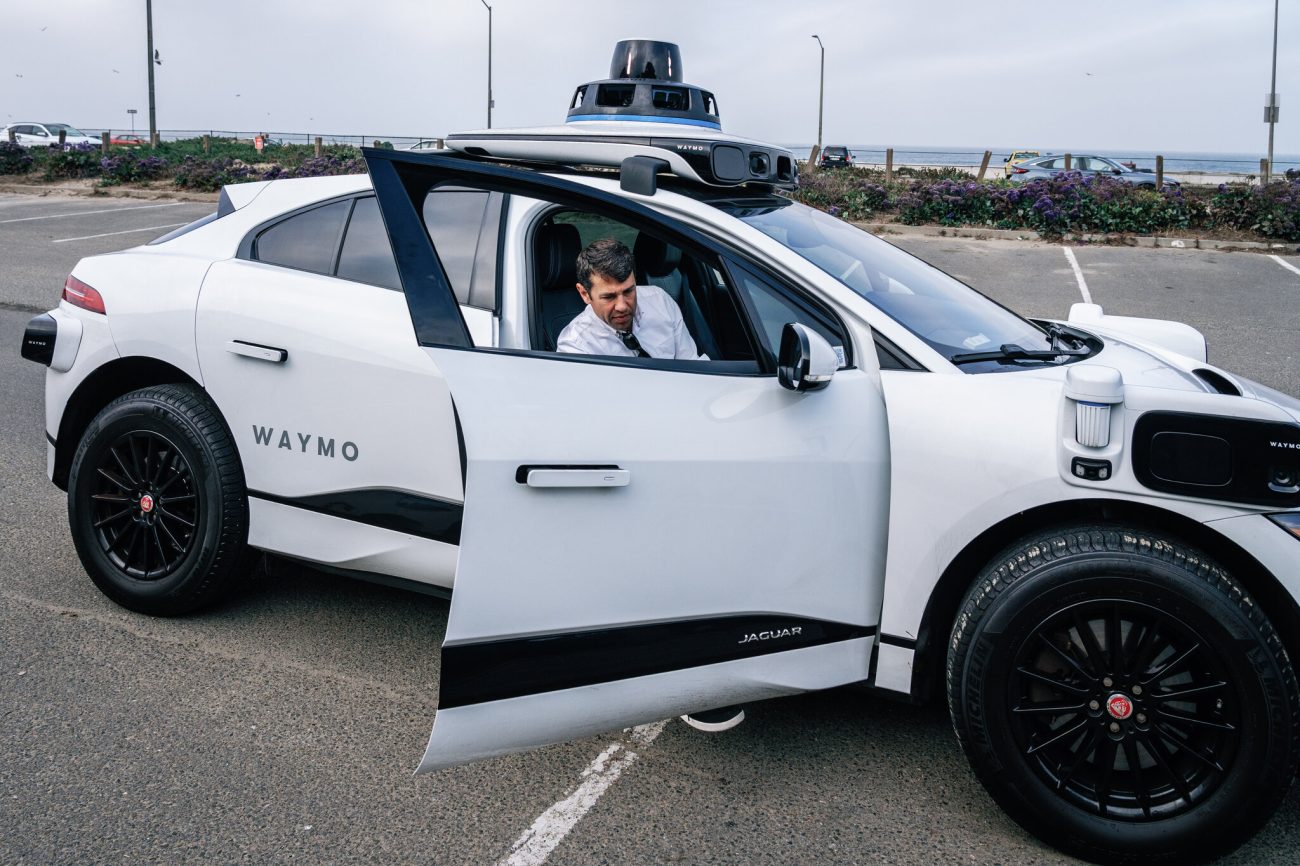
Not all autonomous driving technologies are created equal, and understanding how freedom drive compares to alternative approaches helps clarify its unique value proposition. Traditional sensor-heavy approaches, exemplified by systems like Waymo’s platform, rely on expensive LIDAR units that can cost $75,000 or more per vehicle. These systems prioritize maximum redundancy and sensor coverage, using multiple overlapping sensor types to ensure comprehensive environmental awareness. While this approach delivers exceptional reliability and safety, the high hardware costs make it economically viable primarily for commercial fleet applications rather than consumer vehicles.
In contrast, some freedom drive implementations emphasize cost-effectiveness by using camera-based systems supplemented with radar and less expensive solid-state LIDAR units. This vision-first approach, championed by companies like Tesla, argues that since humans drive using primarily visual information, autonomous systems should be able to do the same with sufficiently advanced computer vision algorithms. These systems cost significantly less to manufacture—potentially under $5,000 per vehicle—making them viable for mass-market consumer adoption. However, critics argue that camera-only approaches lack the redundancy necessary for the highest safety levels, particularly in challenging weather conditions where optical sensors may be compromised.
Freedom drive systems often occupy a middle ground, combining multiple sensor modalities in a balanced architecture that prioritizes both safety and affordability. These systems typically include several cameras covering 360 degrees around the vehicle, one or more mid-range LIDAR units providing detailed environmental mapping, and radar sensors offering reliable detection in all weather conditions. The sensor fusion algorithms in freedom drive platforms are specifically designed to leverage the strengths of each sensor type while compensating for their individual weaknesses. This approach delivers robust performance across diverse operating conditions while maintaining reasonable costs that support both commercial and consumer applications.
The Economic Impact of Freedom Drive Adoption
The widespread implementation of freedom drive technology will trigger profound economic transformations across multiple industries and sectors. The automotive manufacturing industry faces both opportunities and disruptions as autonomous vehicles become mainstream. Traditional automakers must invest heavily in software development capabilities and sensor integration, skills that historically haven’t been core competencies for companies focused on mechanical engineering and manufacturing. This shift has driven extensive partnerships between automotive manufacturers and technology companies, creating hybrid organizations that combine automotive expertise with software development prowess. New entrants without legacy infrastructure or union obligations may find it easier to design vehicles optimized for autonomous operation from the ground up.
Employment patterns will shift dramatically as freedom drive systems reduce demand for professional drivers while creating new categories of jobs. The American Trucking Association estimates there are approximately 3.5 million professional truck drivers in the United States, a workforce that could face displacement as autonomous trucks become viable for long-haul transportation. Similarly, taxi and ride-share drivers, delivery drivers, and bus operators may see reduced opportunities.
However, these losses must be balanced against job creation in areas like autonomous vehicle monitoring and remote assistance, fleet maintenance and management, software development and system engineering, and data annotation and machine learning training. The net employment impact remains hotly debated among economists, with estimates ranging from modest job losses to significant job creation depending on assumptions about adoption rates and new industry emergence.
Real estate and urban development patterns will evolve as freedom drive eliminates the need for parking infrastructure and enables new commuting patterns. Urban planners estimate that 30-60% of urban land in major cities is devoted to parking lots and structures—space that could be repurposed for housing, parks, commercial development, or other productive uses once autonomous vehicles can drop passengers off and park themselves in distant, cheaper locations. Additionally, freedom drive may enable people to live further from their workplaces since commuting time can be spent working, reading, or relaxing rather than focusing on driving. This could reduce housing cost pressures in expensive urban cores while potentially accelerating suburban sprawl if not managed through thoughtful zoning and development policies.
Integration with Smart City Infrastructure
The full potential of freedom drive technology emerges when autonomous vehicles communicate with intelligent infrastructure systems, creating an integrated transportation ecosystem. Vehicle-to-infrastructure (V2I) communication allows freedom drive vehicles to receive real-time information about traffic signal timing, road closures, accident locations, and optimal routing. Traffic signals can adjust their timing dynamically based on actual traffic flow rather than predetermined schedules, reducing congestion and minimizing time spent waiting at red lights. Studies suggest that coordinated signal timing optimized for autonomous vehicles could reduce urban travel times by 20-30% while simultaneously cutting fuel consumption and emissions.
Smart parking systems integrated with freedom drive capabilities can guide vehicles to available spaces, eliminating the time and fuel wasted circling blocks searching for parking. More ambitiously, autonomous vehicles could drop passengers at their destinations and then travel to remote parking facilities where land is cheaper, returning only when summoned. Some urban planners envision freedom drive vehicles operating in continuous circulation rather than parking at all, essentially functioning as ride-share vehicles that maximize utilization by serving multiple users throughout the day. This model could dramatically reduce the total number of vehicles needed in urban areas while ensuring that transportation is immediately available whenever required.
Emergency response integration represents another critical application of freedom drive and smart city infrastructure. Autonomous vehicles can automatically detect emergency vehicle sirens and pull over appropriately, clearing paths for ambulances and fire trucks more efficiently than human drivers. Additionally, freedom drive systems could integrate with emergency dispatch systems, allowing first responders to commandeer nearby autonomous vehicles when time is critical. Imagine an ambulance crew arriving on scene and immediately having access to autonomous vehicles that can transport additional personnel or equipment, or evacuate injured parties to hospitals. The coordination possibilities between freedom drive fleets and emergency services could save countless lives by reducing response times and improving resource allocation during crises.
Environmental and Sustainability Benefits
Freedom drive technology offers substantial environmental advantages that extend beyond the fuel efficiency improvements achieved through optimized driving patterns. The transition to electric autonomous vehicles accelerates naturally, as the economics of fleet operation favor electric powertrains with their lower maintenance costs and simpler mechanical systems. Freedom drive systems can optimize battery usage by planning routes that consider terrain, traffic patterns, and charging station locations, maximizing range and minimizing charging time. The predictable, consistent operation of autonomous vehicles also reduces battery degradation compared to human driving patterns that often include rapid acceleration and hard braking.
Reduced vehicle ownership enabled by freedom drive ride-sharing services could dramatically decrease the environmental impact of personal transportation. Manufacturing vehicles requires enormous amounts of energy and raw materials, including rare earth elements for batteries and electronics. If widespread access to autonomous ride-sharing reduces the number of vehicles manufactured by even 50%, the environmental benefits would be enormous. Fewer vehicles mean less mining for raw materials, reduced manufacturing emissions, and decreased end-of-life disposal challenges. Additionally, freedom drive fleet vehicles can be designed for maximum durability and easy maintenance since they’ll accumulate much higher mileage than personally owned vehicles, encouraging manufacturers to build longer-lasting products.
Traffic flow optimization through coordinated freedom drive operations can significantly reduce the stop-and-go traffic that wastes fuel and increases emissions. When autonomous vehicles communicate with each other and with traffic management systems, they can maintain smooth, consistent speeds that minimize unnecessary braking and acceleration. Platooning on highways—where vehicles travel in tightly-spaced groups that reduce aerodynamic drag—becomes practical and safe with freedom drive systems that can maintain precise distances and react instantly to changes in speed. Research suggests that widespread freedom drive adoption could reduce transportation-related greenhouse gas emissions by 40-60% through a combination of electrification, improved efficiency, reduced vehicle manufacturing, and optimized traffic flow.
Consumer Adoption and Market Trends
Understanding freedom drive market dynamics requires examining the factors that influence consumer acceptance and purchasing decisions. Trust and safety perceptions remain the primary barriers to widespread adoption, with surveys consistently showing that a majority of consumers express nervousness about riding in fully autonomous vehicles. High-profile accidents involving autonomous test vehicles, though rare, receive extensive media coverage that reinforces these concerns. Developers must demonstrate not just that freedom drive systems are safe, but that they’re significantly safer than human drivers—a high bar to clear in public perception even if statistical evidence supports it. Building trust requires transparency about how these systems work, extensive real-world testing that demonstrates reliability, and gradual introduction that allows consumers to gain experience with increasingly automated features.
Pricing and value propositions will heavily influence how quickly freedom drive vehicles penetrate consumer markets. Early autonomous vehicles likely will command premium prices reflecting their advanced technology and limited production volumes. Luxury automakers may introduce freedom drive capabilities as high-end options that appeal to early adopters willing to pay for cutting-edge features. As production scales and technology costs decline, autonomous systems will filter down to mainstream vehicles. However, the personal vehicle ownership model may prove less economically attractive than ride-sharing services for many consumers. If autonomous taxis can transport people at costs lower than vehicle ownership—eliminating payments for purchase, insurance, maintenance, and parking—many urban dwellers may abandon personal vehicles entirely.
Demographic variations in freedom drive adoption will likely be significant. Younger consumers who have grown up with smartphones and are comfortable with technology show greater openness to autonomous vehicles. Urban residents who already rely heavily on ride-sharing services and public transportation may find the transition to autonomous mobility less jarring than suburban or rural residents accustomed to personal vehicle ownership. Seniors represent a particularly interesting demographic—while some older adults express skepticism about freedom drive technology, others recognize it as a solution that will allow them to maintain independence as their driving abilities decline. Successfully marketing freedom drive vehicles requires tailoring messaging and product features to these diverse audience segments.
Freedom Drive and the Future of Mobility
Looking ahead, freedom drive technology will serve as a foundational element in a broader transformation of how people and goods move through physical space. Mobility-as-a-Service (MaaS) platforms will integrate autonomous vehicles with public transportation, bike-sharing, and other transportation modes into seamless, user-friendly applications. Travelers will simply input their destination and receive optimized journey options that might combine an autonomous vehicle ride to a train station, a high-speed rail journey, and another freedom drive vehicle for the final mile. Payment will be automatic and integrated, potentially operating on subscription models where users pay a monthly fee for unlimited mobility within a defined area.
Urban air mobility represents the next frontier beyond ground-based freedom drive systems. Electric vertical takeoff and landing (eVTOL) aircraft—essentially flying taxis—are under development by dozens of companies worldwide. These aircraft will rely on autonomous control systems conceptually similar to freedom drive technology, navigating three-dimensional airspace and coordinating with air traffic management systems. When combined with ground-based freedom drive vehicles, urban air mobility could dramatically reduce travel times for longer intra-city journeys. Imagine commuting from a distant suburb to a downtown office by taking a freedom drive vehicle to a vertiport, flying across the city in an autonomous air taxi, and completing the journey in another autonomous vehicle—all coordinated through a single app.
Personalization and customization of the freedom drive experience will evolve as systems learn individual preferences and adapt accordingly. Future autonomous vehicles might adjust climate control, music, lighting, and seating configurations based on passenger profiles. Commuters could have their vehicle configured as a mobile office with Wi-Fi, displays for video conferencing, and a workspace optimized for productivity. Families might request entertainment systems for children, while others seeking relaxation could have the vehicle create a serene environment with soft lighting and calming music. The freedom drive experience becomes not just about transportation from point A to point B, but about how you want to spend that time and what environment best serves your needs.
Case Study: Waymo’s Freedom Drive Implementation
Waymo, the autonomous vehicle subsidiary of Alphabet Inc., provides one of the most extensive real-world examples of freedom drive technology in commercial operation. Since launching its autonomous taxi service in Phoenix, Arizona, Waymo has accumulated over 20 million miles of autonomous driving on public roads and billions of miles in simulation. The company’s freedom drive system uses a combination of LIDAR, cameras, and radar to create a 360-degree view of the vehicle’s surroundings, detecting objects up to three football fields away in every direction.
Key performance metrics from Waymo’s operations demonstrate the viability of freedom drive technology:
| Metric | Value | Significance |
|---|---|---|
| Autonomous Miles Driven | 20+ million | Demonstrates real-world reliability |
| Miles Between Disengagements | 30,000+ | Shows system maturity |
| Customer Satisfaction Rate | 95%+ | Indicates user acceptance |
| Safety Incidents per Million Miles | 0.076 | Significantly lower than human drivers |
Waymo’s experience offers valuable insights for the broader freedom drive industry. Their staged rollout approach—beginning with fully autonomous operation in limited geographic areas with favorable weather before expanding—has proven more successful than attempting immediate nationwide deployment. The company’s heavy investment in simulation technology allows testing scenarios that would be too dangerous or rare to encounter in real-world testing. Perhaps most importantly, Waymo’s focus on building custom hardware and software rather than retrofitting existing vehicles has resulted in systems optimized specifically for autonomous operation.
Expert Perspectives on Freedom Drive
Dr. Sarah Chen, Director of Autonomous Systems at MIT’s AgeLab, emphasizes the societal implications of freedom drive technology: “We’re not just talking about self-driving cars—we’re talking about fundamentally reimagining mobility for populations that have been underserved by traditional transportation systems. Freedom drive has the potential to deliver independence to millions of elderly and disabled individuals who currently face significant mobility challenges.”
Industry veteran Marcus Rodriguez, former VP of Advanced Engineering at Ford Motor Company, offers a more measured perspective: “The technology for freedom drive exists today, but the challenge isn’t purely technical—it’s about building the regulatory frameworks, insurance models, and public trust necessary for widespread deployment. We’ll see gradual adoption over the next decade rather than a sudden revolution.”
Statistical Overview of Freedom Drive Development
Understanding the current state and trajectory of freedom drive technology requires examining key data points:
- Global investment in autonomous vehicle technology: $100+ billion since 2015
- Projected autonomous vehicle market size by 2030: $556 billion
- Expected reduction in traffic accidents: 80-90% with full adoption
- Estimated reduction in traffic congestion: 40-60% in urban areas
- Number of companies developing freedom drive systems: 50+ worldwide
- Autonomous test vehicles currently operating: 1,400+ in the U.S. alone
- Average cost of sensors per vehicle: $5,000-$75,000 depending on system
- Projected timeline to Level 5 autonomy: 2030-2040 according to most experts
Frequently Asked Questions About Freedom Drive
What exactly does freedom drive technology mean?
Freedom drive refers to advanced autonomous vehicle systems that use artificial intelligence, sensors, and real-time processing to enable vehicles to navigate without human intervention. These systems combine perception, localization, planning, and control capabilities to operate safely in complex environments.
How safe are freedom drive vehicles compared to human drivers?
Current data from deployed freedom drive systems shows significantly lower accident rates than human drivers. Waymo’s statistics indicate approximately 0.076 safety incidents per million miles compared to the national average of 1.5 crashes per million miles for human drivers. However, these statistics come from limited deployment areas with favorable conditions.
When will freedom drive cars be available to consumers?
Limited freedom drive capabilities are already available in some luxury vehicles, offering features like highway autopilot and automated parking. Fully autonomous consumer vehicles will likely become available in the late 2020s, with widespread adoption occurring throughout the 2030s as technology costs decline and regulatory frameworks mature.
How much will freedom drive vehicles cost?
Early freedom drive vehicles command premium pricing, with added technology costs of $10,000-$30,000 or more. As production scales, these costs should decline significantly. Many experts predict that ride-sharing services using freedom drive vehicles may prove more economical than personal vehicle ownership for many consumers.
What happens to freedom drive systems in bad weather?
Modern freedom drive technology incorporates multiple sensor types that work together to maintain awareness in challenging conditions. However, extremely heavy rain, snow, or fog can degrade system performance, prompting the vehicle to slow down, request human takeover in semi-autonomous systems, or pull over safely if conditions exceed safe operating parameters.
Can freedom drive vehicles be hacked?
Like any connected computer system, freedom drive vehicles face cybersecurity risks. However, developers implement extensive security measures including encrypted communications, secure boot processes, intrusion detection, and regular security updates. The automotive industry has established specific cybersecurity standards for autonomous vehicles to minimize these risks.
How do freedom drive systems handle construction zones and detours?
Construction zones represent challenging scenarios for freedom drive systems because they often involve temporary road configurations that don’t match map data. Advanced systems use real-time perception to detect construction markers, cones, and flaggers, adapting their behavior accordingly. Some situations may still require human intervention in current-generation systems.
Will freedom drive eliminate jobs for professional drivers?
Freedom drive adoption will likely reduce demand for some professional driving positions, particularly in long-haul trucking and taxi services. However, new job categories will emerge in areas like remote vehicle monitoring, fleet management, and system maintenance. The net employment impact remains uncertain and will depend on the pace of adoption and policy responses.
Taking Action: Embracing Freedom Drive Technology
The revolution in freedom drive technology is not a distant future prospect—it’s unfolding now, with implications for how you live, work, and move through the world. If you’re a business leader, consider how autonomous vehicles might transform your logistics, delivery operations, or employee transportation. Companies that integrate freedom drive capabilities early may gain significant competitive advantages in efficiency and cost structure.
For consumers, staying informed about freedom drive developments helps you make better decisions about vehicle purchases and mobility options. Consider whether traditional car ownership still makes sense in an era of increasingly capable autonomous ride-sharing services. Explore vehicles with advanced driver assistance features to familiarize yourself with incrementally automated capabilities, preparing for the fully autonomous future.
Urban planners and policymakers must act now to prepare infrastructure and regulations for freedom drive adoption. Cities that proactively develop smart infrastructure, establish clear regulatory frameworks, and plan for reduced parking needs will be better positioned to capture the economic and social benefits of autonomous mobility. The time to shape this transformation is now, before patterns become entrenched.
Ready to experience the future of mobility? Explore freedom drive vehicles and services in your area today, and join the transportation revolution that’s reshaping how we move.
Citations and Further Reading
For more information about freedom drive technology and autonomous vehicles, consult these authoritative sources:
- Society of Automotive Engineers (SAE) Levels of Driving Automation – Defines the standard classification system for autonomous vehicle capabilities
- National Highway Traffic Safety Administration (NHTSA) Automated Vehicles Safety Resources
- Waymo Safety Report – Comprehensive documentation of freedom drive system design and performance
- MIT Advanced Vehicle Technology Consortium research publications
For insights into related transportation innovations, read our article on parkside drive urban development and smart city integration.
This comprehensive guide to freedom drive technology provides the foundation you need to understand autonomous vehicles’ transformative potential. As systems continue evolving and deployment expands, staying informed about these developments will help you navigate—and benefit from—the future of transportation.
