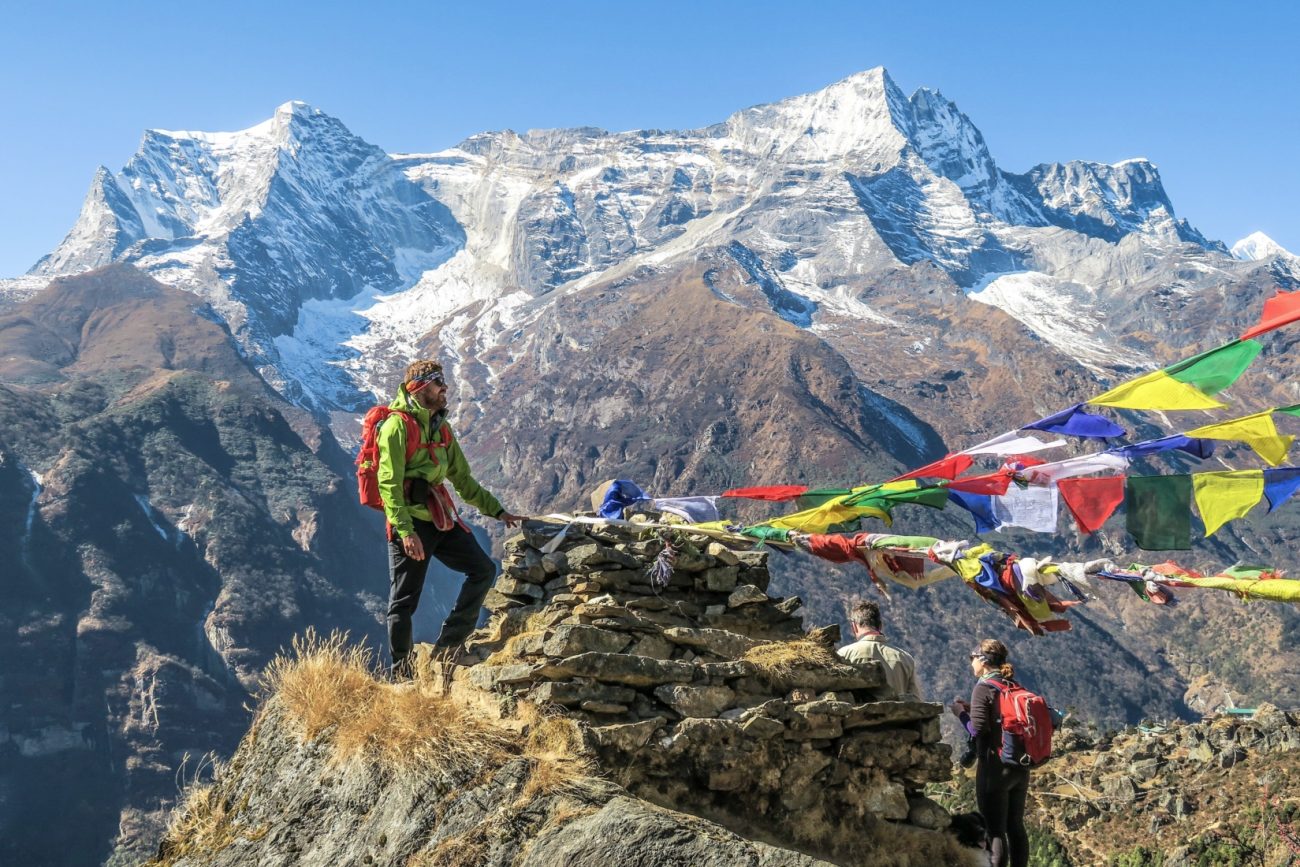
The idea of taking a road trip to the world’s highest mountain sounds almost impossible, right? But here’s the thing – you actually can drive to Everest Base Camp, and it’s one of the most epic adventures you can experience. Whether you’re looking to skip the famous trek or simply want a different perspective on reaching this iconic destination, the drive to Everest Base Camp offers a unique way to witness the majesty of Mount Everest up close.
In this comprehensive guide, we’ll break down everything about making this incredible journey by road – from the routes you can take to what you’ll need to prepare. Let’s dive into what makes this adventure so special and how you can make it happen.
What Does It Mean to Drive to Everest Base Camp?
When we talk about driving to Everest Base Camp, we’re specifically referring to the Tibetan side of Mount Everest, not the more famous Nepal side. The Everest Base Camp on the Tibet side sits at approximately 5,200 meters (17,000 feet) and is accessible via a paved road that winds through some of the most spectacular landscapes on Earth.
This isn’t your typical Sunday drive. The journey takes you across the Tibetan Plateau, through ancient monasteries, past turquoise lakes, and finally to the base of the world’s tallest peak. The entire experience combines the thrill of high-altitude adventure with the comfort of traveling in a vehicle, making it accessible to people who might not be able to complete the multi-day trek on the Nepal side.
The key distinction here is that while the Nepal side requires a multi-day trek from Lukla, the Tibet side has a road that goes directly to base camp. This road has been improved significantly over the years and now allows regular vehicles to make the journey, though proper permits and preparation are absolutely essential.
Tibet Side vs Nepal Side: Understanding Your Options
The drive to Everest Base Camp is only possible from the Tibet (China) side. On the Nepal side, you’ll need to trek for about 12-14 days round trip from Lukla, covering approximately 130 kilometers. There’s simply no road access to the Nepal Everest Base Camp, and that’s actually part of its charm for trekkers who want the full hiking experience.
Here’s a quick comparison to help you understand the differences:
Tibet Side (Driveable)
- Base camp altitude: 5,200m (17,060 ft)
- Access: Direct road access available
- Time required: 4-7 days total (including acclimatization)
- Permits needed: Tibet Travel Permit, Alien’s Travel Permit, Military Permit
- Must be: Part of organized tour with guide
- Views: Direct frontal view of Everest’s north face
- Cost range: $800-$2,000 per person
Nepal Side (Trekking Only)
- Base camp altitude: 5,364m (17,598 ft)
- Access: Multi-day trek required from Lukla
- Time required: 12-14 days for round trip trek
- Permits needed: TIMS card, Sagarmatha National Park permit
- Can be: Independent or with guide
- Views: Southern approach with Khumbu Icefall
- Cost range: $1,200-$3,000+ per person
The choice between these options really depends on your time, physical fitness, budget, and what kind of experience you’re after. The drive to the Everest Base Camp offers incredible convenience and opens up this bucket-list destination to many more people.
The Route: How to Drive to Everest Base Camp
The most common route for the drive to Everest Base Camp starts in Lhasa, the capital of Tibet. This journey typically takes 4-7 days and covers approximately 700-800 kilometers depending on your exact itinerary. The road is known as the Friendship Highway (China National Highway 318), and it’s one of the most scenic drives anywhere in the world.
Starting Point: Lhasa
Your adventure begins in Lhasa, sitting at 3,650 meters above sea level. Most tours include 2-3 days here for acclimatization, which is absolutely crucial. During this time, you’ll visit iconic sites like the Potala Palace, Jokhang Temple, and Barkhor Street. Don’t rush this phase – altitude sickness is a real concern, and proper acclimatization can make or break your journey.
From Lhasa, you’ll head west and then south toward the Nepal border. The journey includes several overnight stops at key locations, each offering unique experiences and helping your body adjust to increasingly higher altitudes.
Key Stops Along the Way
Gyantse (3,950m): About 260 kilometers from Lhasa, this ancient town is home to the stunning Pelkor Chode Monastery and the Gyantse Kumbum, a massive stupa with 108 chapels. It’s a perfect first stop that gives you a taste of authentic Tibetan culture while allowing gradual altitude gain.
Shigatse (3,840m): Tibet’s second-largest city sits about 90 kilometers beyond Gyantse. Here you’ll visit the Tashilhunpo Monastery, one of the most important monasteries in Tibet and the traditional seat of the Panchen Lama. Many tours spend a night here before continuing toward Everest.
Tingri (4,300m): This small settlement serves as the last major stop before Everest Base Camp. At over 4,000 meters, it’s a crucial acclimatization point. The town itself isn’t much to look at, but the views of the Himalayan range on clear days are absolutely breathtaking.
Rongbuk Monastery (5,000m): Located just 8 kilometers from Everest Base Camp, this is the highest monastery in the world. The monastery offers basic guesthouse accommodation, and many travelers choose to stay here overnight before making the final push to base camp in the morning when visibility is typically better.
The final stretch from Rongbuk to Everest Base Camp covers those last 8 kilometers and takes you to 5,200 meters. The road is rough but manageable in most conditions, and the anticipation builds with every meter as Mount Everest looms larger and larger ahead of you.
What Vehicle Do You Need for the Drive?
When planning your drive to Everest Base Camp, the type of vehicle matters significantly. While the main Friendship Highway is now paved, the final sections – especially from Tingri to Rongbuk and then to base camp – can be rough, dusty, and challenging depending on weather conditions.
Most tour operators use Toyota Land Cruisers or similar 4WD vehicles. These are the gold standard for this journey because they handle the altitude well, navigate rough terrain easily, and provide enough space for passengers and luggage. A typical Land Cruiser will carry 3-4 passengers plus a driver, ensuring everyone has enough room to be comfortable during long driving days.
Some budget tours might use smaller vehicles or minibuses for the paved portions, switching to 4WDs only for the final approach to base camp. However, having a proper 4WD for the entire journey is recommended for comfort and safety. The vehicles also need to be well-maintained and equipped with oxygen supplies, as mechanical issues at high altitude can be dangerous and difficult to resolve.
Your driver should be experienced with high-altitude driving and familiar with the route. Many drivers on this route are Tibetan locals who know every twist and turn, every potential hazard, and the best times to travel certain sections. Their expertise is invaluable and contributes significantly to the safety and success of your journey.
Permits Required for Driving to Everest Base Camp
You cannot simply drive to Everest Base Camp on your own – it’s not legally possible. All foreign visitors must be part of an organized tour with proper permits. This is non-negotiable when you drive to Everest Base Camp from the Tibet side, and attempting to go without proper documentation will result in fines, deportation, or worse.
Essential Permits You’ll Need
Tibet Travel Permit: This is the primary permit required for any foreign visitor entering Tibet. Your tour operator will arrange this for you, and you’ll need to provide a copy of your passport and Chinese visa at least 20 days before your intended travel date. Without this permit, you cannot board a flight to Lhasa or cross into Tibet by land.
Alien’s Travel Permit: Also known as the PSB (Public Security Bureau) permit, this allows you to travel to specific areas within Tibet, including the route to Everest. Your tour operator handles this permit, which lists all the counties and areas you’re authorized to visit during your trip.
Military Permit: Since Everest Base Camp is in a restricted military area near the Nepal border, you need this special permit. Again, your tour operator will arrange this, but it requires your group to travel together and stick to approved routes and accommodations.
Everest Entry Permit: This is specifically for entering the Mount Everest National Nature Preserve. It costs around 180 RMB (approximately $25) per person and is typically purchased at the checkpoint before entering the preserve, though your tour operator will handle the transaction.
The permit process typically takes 15-20 days, so plan well in advance. Your tour operator will collect your passport and visa copies, arrange all permits, and return your original documents along with the permits before you depart. Make sure to work with a reputable tour company that has experience with the Everest Base Camp drive and understands all current regulations.
Best Time to Drive to Everest Base Camp
Timing is everything when you plan to drive to Everest Base Camp. The weather, road conditions, and visibility all play crucial roles in determining whether your journey will be comfortable and rewarding or challenging and disappointing. Let’s break down the seasons so you can choose the best time for your adventure.
Peak Season: April to May and September to October
These months offer the best conditions for the drive to Everest Base Camp. April and May are particularly popular because they coincide with the spring climbing season when weather windows are more stable. You’ll find clear skies most days, temperatures that are cold but manageable (daytime temperatures around 10-15°C, dropping to -10°C at night), and the best visibility for viewing Everest.
September and October bring the post-monsoon clarity. The monsoon rains (which affect the southern Nepal side but less so the northern Tibet side) have cleared dust from the air, creating spectacular visibility. The autumn colors on the plateau are beautiful, and temperatures are still reasonable before winter sets in. These months are ideal if you want to avoid the spring crowds while still enjoying excellent conditions.
Shoulder Season: March and November
March can work well, especially toward the end of the month. You might encounter some snow and colder temperatures, but you’ll also face fewer tourists and potentially lower prices. November starts getting quite cold, with daytime temperatures often below freezing, but it’s still technically possible to make the journey if you’re prepared for harsh conditions.
Off-Season: December to February and June to August
Winter months (December to February) bring extremely cold temperatures, often -20°C or colder at base camp. Many tour operators don’t run trips during this period, and road conditions can be hazardous due to ice and snow. Unless you’re specifically seeking a winter adventure and are prepared for extreme cold, avoid these months.
The summer months (June to August) coincide with monsoon season. While the Tibet side receives much less rain than Nepal, you can still encounter bad weather, cloud cover that obscures mountain views, and muddy road conditions. The upside is fewer tourists and lower prices, but the weather lottery makes this period less ideal for the drive to Everest Base Camp.
According to China Tibet Train, the best months for optimal weather and road conditions are April, May, September, and October, when success rates for clear Everest views exceed 80%.
Altitude Sickness: What You Need to Know
Altitude sickness is the single biggest challenge when you drive to Everest Base Camp. Unlike trekkers who ascend gradually over many days, giving their bodies time to adjust, drivers gain altitude quickly. You might go from 3,650 meters in Lhasa to 5,200 meters at base camp in just a few days, which doesn’t give your body much time to adapt.
Understanding Acute Mountain Sickness (AMS)
Acute Mountain Sickness occurs when your body can’t adjust quickly enough to the reduced oxygen levels at high altitude. Symptoms typically begin within 6-12 hours of reaching a higher altitude and can include headache, nausea, dizziness, fatigue, loss of appetite, and difficulty sleeping. These symptoms can range from mild to severe and shouldn’t be ignored.
The challenge with driving is that you ascend faster than trekkers, potentially reaching dangerous altitudes before symptoms even appear. About 75% of people experience some symptoms of AMS at 5,000 meters, and Everest Base Camp sits at 5,200 meters. This isn’t meant to scare you, but to emphasize the importance of proper preparation and acclimatization.
Prevention Strategies
Proper acclimatization schedule: This is why good tours include 2-3 days in Lhasa before heading higher. Your body needs time to produce more red blood cells and adjust to lower oxygen levels. Don’t skip or rush the acclimatization days, no matter how eager you are to reach Everest.
Hydration: Drink at least 3-4 liters of water daily. Dehydration exacerbates altitude sickness symptoms. Avoid alcohol and caffeine in the first few days, as they can contribute to dehydration. Carry a water bottle everywhere and sip consistently throughout the day.
Medication: Many travelers use Diamox (acetazolamide) to prevent altitude sickness. This medication helps your body acclimatize faster by increasing respiration. Consult your doctor before the trip about whether this is right for you. Start taking it 1-2 days before ascending to higher altitudes.
Gradual ascent: Choose tour itineraries that include intermediate stops at Gyantse (3,950m) and Shigatse (3,840m) before jumping to Tingri (4,300m). The “climb high, sleep low” principle helps – even if you drive to a high point during the day, try to sleep at a lower altitude when possible.
Listen to your body: If you experience severe symptoms like confusion, inability to walk straight, or severe shortness of breath at rest, you need to descend immediately. These can indicate High Altitude Pulmonary Edema (HAPE) or High Altitude Cerebral Edema (HACE), both life-threatening conditions requiring immediate descent and medical attention.
Most tour vehicles carry portable oxygen supplies for emergencies. Don’t be embarrassed to use oxygen if you’re struggling – it’s there for your safety and can mean the difference between a successful trip and a medical emergency.
Cost Breakdown: How Much Does It Cost?
The price to drive to Everest Base Camp varies considerably based on several factors including group size, tour quality, season, and what’s included in your package. Understanding the cost structure helps you budget appropriately and choose the right tour for your needs and expectations.
Typical Tour Package Costs
Budget tours ($800-$1,200 per person): These usually involve larger groups (6-10+ people), basic accommodations (often guesthouses or budget hotels), shared vehicles, and standard meals. Budget tours get the job done but with minimal frills. You’ll complete the journey, but expect basic comfort levels and less flexibility in the itinerary.
Mid-range tours ($1,200-$1,800 per person): These offer better hotels in Lhasa and Shigatse, smaller group sizes (4-6 people), more comfortable vehicles, and often better food. Mid-range tours strike a good balance between cost and comfort for most travelers. You’ll have knowledgeable guides and more attention to detail.
Premium tours ($1,800-$3,000+ per person): Luxury tours provide the best available accommodations, private vehicles for small groups (2-4 people), excellent guides who speak fluent English, flexible itineraries, and gourmet meals where possible. Some even include helicopter transfers for part of the journey. Premium tours are worth considering if comfort and personalized service matter to you.
What’s Typically Included
Most tour packages for the drive to Everest Base Camp include all necessary permits, ground transportation in private vehicles, English-speaking Tibetan guide, accommodations in twin-share rooms, most meals (usually breakfast and some lunches/dinners), and entrance fees to monasteries and attractions along the route.
What’s Usually NOT Included
Your package typically won’t include international flights to China, Chinese visa fees (about $140 for US citizens), travel insurance, personal expenses, tips for guides and drivers (budget $10-20 per day total), single room supplements (usually $200-400 extra for the entire trip), and optional activities or upgraded accommodations.
Additional Costs to Consider
Plan for extra money beyond the tour package. Budget at least $200-300 for incidentals including bottled water ($2-3 per bottle at higher altitudes), snacks, souvenirs from monasteries and shops, additional meals not included in your package, any medical supplies or altitude sickness medication, and tips for service staff.
The cheapest option isn’t always the best value when you drive to Everest Base Camp. Skimping on accommodations or rushing the acclimatization schedule to save money can lead to serious health issues and ruin your experience. Invest in a reputable tour operator with good reviews and a track record of successful trips.
What to Pack for Your Drive
Packing appropriately for the drive to Everest Base Camp can make or break your comfort during the journey. The climate in Tibet is extreme, with intense sun during the day, freezing temperatures at night, and unpredictable weather that can change within minutes. Here’s what you absolutely need to bring.
Clothing Essentials
Layering system: The key to staying comfortable is layers. Start with thermal underwear (top and bottom) as your base layer. Add a fleece or insulated mid-layer, and top it off with a waterproof, windproof outer shell. This system lets you adjust as temperatures fluctuate throughout the day.
Warm jacket: Bring a down jacket or synthetic insulated jacket rated for temperatures below -10°C. Nights at Everest Base Camp can drop to -20°C or colder, and even during the day at 5,200 meters, temperatures rarely rise above freezing. Your warm jacket is essential, not optional.
Pants and bottoms: Pack comfortable trekking pants or hiking pants for daily wear. Bring waterproof pants as an outer layer in case of rain or snow. Thermal leggings worn underneath add warmth for cold mornings and evenings.
Head and face protection: A warm beanie or winter hat that covers your ears is crucial. Bring a buff or neck gaiter to protect your face from cold wind. Sunglasses with UV protection are essential – the UV radiation at 5,000+ meters is intense and can damage your eyes within hours without protection.
Hand and foot warmth: Quality gloves make a huge difference. Bring both liner gloves for mild conditions and insulated winter gloves for extreme cold. Consider hand warmers for extra warmth at base camp. Warm socks are vital – bring several pairs of merino wool or synthetic hiking socks, plus warmer insulated socks for night time.
Health and Safety Items
Altitude medication: Bring Diamox if prescribed by your doctor, plus standard medications for headaches (ibuprofen works better than acetaminophen at altitude), nausea, and digestive issues. High altitude can cause digestive problems, so anti-diarrheal medication is wise to pack.
Sun protection: The sun at high altitude is brutal. Pack high SPF sunscreen (50+ recommended), lip balm with SPF, and after-sun lotion. You’ll need to reapply sunscreen multiple times daily – the sun reflects off snow and burns exposed skin quickly even on cloudy days.
Personal first aid: Include bandages, blister treatment (moleskin or similar), antiseptic wipes, any personal prescription medications with extras in case of delays, and basic pain relievers. Consider bringing rehydration salts to help maintain hydration at altitude.
Other Essentials
Water bottles and hydration: Bring at least two 1-liter water bottles or a hydration bladder. Staying hydrated is critical at altitude. Consider an insulated bottle to prevent water from freezing overnight at base camp.
Snacks: While meals are provided, having your own snacks helps maintain energy. Bring energy bars, trail mix, chocolate, and other high-calorie snacks you enjoy. Your appetite often decreases at altitude, so having familiar snacks you actually want to eat makes a difference.
Electronics and charging: Bring a good camera with extra batteries (batteries drain faster in cold), portable charger or power bank for your phone, electrical adapters for Chinese outlets (type A, C, and I), and headlamp with extra batteries for early morning departures and areas with limited lighting.
Documentation: Keep photocopies of your passport, visa, and permits separate from originals. Bring your insurance information, emergency contact details, and cash (Chinese Yuan – ATMs are rare outside Lhasa).
Don’t overpack – you’ll be moving between hotels every day or two, and hauling excessive luggage becomes tiresome. Focus on essential items and layer effectively rather than bringing your entire wardrobe. A 60-70 liter duffel bag or backpack is typically sufficient for the drive to Everest Base Camp.
Experiencing Everest Base Camp: What to Expect
When you finally arrive at Everest Base Camp after the drive through Tibet, the experience is both humbling and exhilarating. Standing at 5,200 meters with the north face of Mount Everest towering before you creates a moment that’s hard to describe – photos don’t do it justice.
The Base Camp Layout
The Tibet side Everest Base Camp isn’t a single location but rather an area where climbing expeditions set up their camps during climbing season (April-May). Outside of climbing season, base camp is relatively empty except for a few permanent structures. There’s a small monument marker where most tourists take photos, along with prayer flags fluttering in the constant wind.
During climbing season, you might see dozens of colorful tents belonging to various expeditions preparing to summit Everest. The atmosphere becomes more festive with climbers from around the world sharing the space. Some tour operators can arrange visits to expedition camps where you might meet climbers and learn about their preparations, though this depends on timing and expedition willingness.
The Views
The view of Everest’s north face from base camp is spectacular and quite different from the southern Nepal view. You’re looking directly at the massive pyramid shape of the mountain, with the summit clearly visible on clear days. The sheer scale becomes apparent when you realize that base camp, despite being at an already extreme altitude of 5,200 meters, sits nearly 4,000 meters below the summit.
Early morning typically offers the best visibility. Many tours arrange to arrive at base camp shortly after sunrise when the air is clearest and Everest is bathed in golden morning light. The stark beauty of the barren landscape surrounding the mountain, the prayer flags adding splashes of color, and the profound silence (broken only by wind) create an almost spiritual atmosphere.
Photography Opportunities
This is the moment you’ve been driving toward, so make the most of it photographically. The classic shot is standing by the base camp marker with Everest behind you. Arrive early for the best light and fewer crowds. The prayer flags that stretch across the area provide excellent foreground elements for photos.
Bring a wide-angle lens to capture the full scope of the mountain and surrounding peaks. A telephoto lens lets you zoom in on Everest’s face to capture details of the rock and ice. The changing light throughout the day creates different moods – the soft morning light differs dramatically from the harsh midday sun or the spectacular sunset glow.
Remember that your camera batteries will drain faster in the cold and at altitude. Keep spare batteries warm in an inside pocket against your body. Take breaks while shooting to warm your hands – frostbite is a real risk when handling cold metal camera equipment in sub-zero temperatures.
Physical Challenges at Base Camp
Even after acclimatizing during your drive, you’ll feel the altitude at 5,200 meters. Walking even short distances leaves you breathless. Moving slowly and deliberately is essential. Most people experience headaches, fatigue, and shortness of breath even after proper acclimatization. This is completely normal and doesn’t mean you’re sick – it’s simply your body coping with 50% less oxygen than at sea level.
Don’t plan to stay at base camp for extended periods. Most tours allow 1-2 hours at base camp, which is plenty of time for photos, soaking in the views, and experiencing the location. Lingering longer increases altitude sickness risk without adding much to the experience. Many people feel relief when starting the descent back to lower altitudes.
Environmental Considerations
Everest Base Camp has faced environmental challenges from increased tourism. Be a responsible visitor when you drive to Everest Base Camp. Don’t leave any trash – pack out everything you bring in. Stay on established paths and don’t disturb prayer flags or religious items. The ecosystem at this altitude is extremely fragile, and even small impacts can last for decades.
Respect the sacred nature of Mount Everest to local Tibetan people. Called “Chomolungma” in Tibetan, meaning “Goddess Mother of the World,” the mountain holds deep spiritual significance. Behave respectfully, speak in moderate tones, and if you encounter any religious ceremonies or prayers, observe quietly from a distance.
Cultural Highlights Along the Route
The drive to Everest Base Camp isn’t just about the destination – the journey through Tibet offers incredible cultural experiences that enrich the entire adventure. Each stop along the route reveals layers of Tibetan Buddhist culture, history, and tradition that have endured for centuries.
Potala Palace in Lhasa
Your journey begins with this architectural masterpiece that dominates Lhasa’s skyline. Once the winter residence of the Dalai Lama, the Potala Palace contains over 1,000 rooms, countless chapels, and houses thousands of statues and sacred artifacts. The palace sits at 3,700 meters and climbing its many stairs provides good initial acclimatization while exploring.
The palace’s history stretches back to the 7th century, though most of the current structure dates from the 17th century. The White Palace contains living quarters and administrative offices, while the Red Palace is devoted entirely to religious purposes. The golden roofs gleaming in the sun are truly spectacular, and the views over Lhasa from the palace are remarkable.
Allow at least 2-3 hours for your visit. Daily visitor numbers are limited, so your tour operator must book tickets in advance. Inside, you’ll see elaborately decorated chapels, ancient murals, and tombs of past Dalai Lamas encased in gold and precious stones. Photography is strictly prohibited inside most areas, so be respectful of the rules.
Jokhang Temple
Located in Lhasa’s old town, Jokhang Temple is considered the most sacred temple in Tibetan Buddhism. Pilgrims from across Tibet make the journey here, many performing full-body prostrations along the way. The temple was built in the 7th century and houses a precious statue of Buddha Sakyamuni at age 12, brought to Tibet by Princess Wencheng of China.
The atmosphere around Jokhang is electric with devotion. Pilgrims circle the temple clockwise, spinning prayer wheels and chanting mantras. The nearby Barkhor Street encircles the temple and serves as both a pilgrimage route and a bustling market where you can shop for traditional Tibetan items, religious artifacts, jewelry, and carpets.
Visiting Jokhang immerses you in living Tibetan Buddhist culture. You’ll see monks debating philosophy in the courtyard, smell burning juniper incense, and witness the deep faith of pilgrims. The temple’s rooftop offers excellent views of the Potala Palace in the distance and the bustling Barkhor Street below.
Tashilhunpo Monastery in Shigatse
As you drive toward Everest, Tashilhunpo Monastery in Shigatse represents a major cultural highlight. Founded in 1447, this massive monastery complex remains the seat of the Panchen Lama, the second-most important figure in Tibetan Buddhism after the Dalai Lama. The monastery houses about 800 monks today, though historically it held up to 5,000.
The most impressive sight is the massive statue of Maitreya Buddha (the Future Buddha) standing 26 meters tall. The statue contains 279 kilograms of gold and countless precious stones. The monastery’s assembly halls, chapels, and tombs of past Panchen Lamas showcase the finest Tibetan religious art and architecture.
Walking through Tashilhunpo feels like stepping back in time. Monks in maroon robes go about their daily routines, debating scripture, preparing offerings, and maintaining the monastery. If you’re lucky, you might witness a prayer ceremony where hundreds of monks chant together, creating a powerful sonic experience. The monastery provides crucial context for understanding Tibetan Buddhism before reaching the sacred mountain of Everest.
Rongbuk Monastery
Perched at 5,000 meters, Rongbuk Monastery holds the distinction of being the world’s highest monastery. It sits just 8 kilometers from Everest Base Camp and offers stunning views of the mountain’s north face. Founded in 1902, the monastery was rebuilt after damage during the Cultural Revolution and today houses a small number of monks and nuns.
Many tours include an overnight stay at Rongbuk’s basic guesthouse. While accommodations are spartan (unheated rooms with basic beds, shared bathrooms with no running water), staying here adds a special dimension to the journey. Watching the sun set on Everest from the monastery, then seeing the mountain illuminated by moonlight creates unforgettable moments.
The monastery itself is small and simple, but its location makes it special. Prayer flags stretch from the monastery toward Everest, and the sound of wind through the flags combined with the stark mountain landscape creates a meditative atmosphere. Monks here dedicate their lives to spiritual practice in one of the harshest environments on Earth, and their commitment is inspiring.
Safety Considerations and Risks
While the drive to Everest Base Camp is generally safer than trekking in terms of physical exertion, it comes with its own set of risks that you need to understand and prepare for. Being informed about potential hazards helps you make better decisions and stay safe throughout the journey.
Altitude-Related Risks
We’ve discussed altitude sickness, but it’s worth emphasizing that this is the primary health risk. The speed at which you gain altitude by driving versus trekking means your body has less time to adapt. In severe cases, altitude sickness can progress to High Altitude Pulmonary Edema (HAPE), where fluid accumulates in the lungs, or High Altitude Cerebral Edema (HACE), where fluid accumulates around the brain. Both conditions are life-threatening and require immediate descent.
Warning signs that distinguish severe altitude sickness from normal symptoms include extreme fatigue where you can’t perform basic tasks, confusion or irrational behavior, loss of coordination (unable to walk in a straight line), severe shortness of breath even at rest, wet crackling sounds when breathing, and coughing up pink frothy liquid. If you or anyone in your group experiences these symptoms, descend immediately and seek medical help.
The good news is that severe altitude illness is preventable with proper acclimatization and early recognition of symptoms. Don’t push through severe symptoms hoping they’ll pass. Descent is the only cure for serious altitude sickness, and delaying descent because you’ve paid for the tour or don’t want to disappoint others puts your life at risk.
Road Safety
The Friendship Highway and roads to Everest Base Camp present their own hazards. Landslides can occur, especially during or after rain. Portions of the road are narrow with steep drop-offs and no guardrails. In winter, ice and snow make driving treacherous. Your driver’s experience and skill matter enormously.
This is why going with a reputable tour company makes sense. Experienced drivers know where hazards typically occur, how to handle difficult road conditions, and when it’s unsafe to proceed. They maintain their vehicles properly and carry necessary equipment. Budget tours that cut corners on vehicle maintenance or driver experience put you at risk.
Political and Travel Restrictions
Tibet’s political situation means that travel restrictions can change suddenly. The region occasionally closes to foreign tourists without warning, particularly around sensitive dates (March 10, Tibetan Uprising Day) or during major Chinese political events. Your tour can be canceled at the last minute through no fault of the tour operator.
Always purchase comprehensive travel insurance that covers trip cancellation for any reason. Read the fine print about coverage for high-altitude travel, as some policies specifically exclude activities above certain elevations. Make sure your insurance covers emergency evacuation, as helicopter rescue from high altitude in Tibet is extremely expensive (potentially $50,000+) and won’t happen without guaranteed payment.
Health Preparation
Before you drive to Everest Base Camp, get a thorough medical checkup. People with heart conditions, lung problems, or high blood pressure face increased risks at high altitude. Consult your doctor about whether this trip is safe for you. Be honest about your health conditions with your tour operator, as they need this information for safety planning.
Bring enough of any prescription medications for the entire trip plus extras in case of delays. Keep medications in original labeled containers in your carry-on luggage. If you have conditions requiring specific treatments or emergency medications (like an EpiPen for severe allergies), make sure your guide knows about them and where they’re kept.
Travel Insurance Requirements
Comprehensive travel insurance is not optional for this journey. Your policy should cover emergency medical evacuation from high altitude, medical treatment for altitude sickness, trip cancellation and interruption, lost or delayed baggage, and adventure activities including travel above 5,000 meters.
Many standard travel insurance policies exclude coverage above certain altitudes (often 4,500-5,000 meters). You may need specialized adventure travel insurance. World Nomads, IMG Global, and similar companies offer policies specifically designed for high-altitude travel. The cost of proper insurance ($100-300 depending on trip length and coverage) is minimal compared to potential rescue and medical costs.
How Your Drive Supports Local Communities
When you drive to Everest Base Camp through organized tours, your travel dollars contribute to local Tibetan communities in meaningful ways. Understanding this impact adds another dimension to your journey and helps you make choices that maximize positive benefits for local people.
Employment for Tibetan Guides and Drivers
The tourism industry provides crucial employment in Tibet’s economy. Your Tibetan guide earns income that might not be available otherwise in rural areas. These guides typically speak multiple languages, have deep knowledge of their culture and history, and take pride in sharing their homeland with visitors. Your tips and positive reviews directly impact their livelihood and career prospects.
Drivers who navigate these routes require specialized skills and local knowledge. Many are supporting extended families with their income from tourism work. When you choose tour companies that employ local Tibetan staff rather than bringing guides and drivers from other regions of China, more money stays in local communities.
Supporting Tibetan Monasteries
Entrance fees to monasteries like Tashilhunpo and Rongbuk directly fund their maintenance and support the monks who live there. Many monasteries were damaged or destroyed during the Cultural Revolution and have been painstakingly rebuilt. Tourism income helps preserve these important cultural and religious sites for future generations.
When visiting monasteries, making small donations is customary and appreciated. Even a few yuan placed in offering boxes helps. If monks create special ceremonies or blessings for your group, additional donations show respect and gratitude. Purchasing religious items, handicrafts, or thangka paintings from monastery shops provides income that supports the monastic community.
Guesthouse and Hotel Revenue
Your overnight stays in Tibetan-owned guesthouses and hotels keep money in local hands. Small family-run guesthouses in towns like Tingri and Rongbuk depend on tourist business. While accommodations are basic, your patronage helps these families maintain their businesses and stay in their ancestral communities rather than migrating to cities for work.
Choosing tours that use locally-owned accommodations rather than large Chinese-owned hotel chains makes a difference. Ask your tour operator about their accommodation policies and express preference for supporting local businesses. The authentic experience of staying in family-run guesthouses often exceeds that of sterile hotel rooms anyway.
Purchasing Tibetan Handicrafts
The markets in Lhasa, Shigatse, and along your route offer opportunities to purchase authentic Tibetan handicrafts. Items like prayer flags, singing bowls, jewelry, carpets, and religious artifacts sold by local artisans provide important supplemental income. Bargaining is expected and part of the culture, but be fair – the few dollars you save mean much more to the seller than to you.
Learn to distinguish authentic local handicrafts from mass-produced items imported from elsewhere in China. Ask your guide for help identifying genuine local products. Purchasing directly from artisans in monastery towns and villages, rather than from large tourist shops in Lhasa, ensures more money reaches the craftspeople themselves.
Comparing the Drive vs Trek Experience
If you’re trying to decide between the drive to Everest Base Camp on the Tibet side or the traditional trek on the Nepal side, understanding the fundamental differences helps you choose the right option for your circumstances, preferences, and abilities.
Time Commitment
The drive requires 4-7 days total, including acclimatization time in Lhasa. If you’re on a tight schedule or can’t take two weeks off work, driving offers a practical way to reach Everest Base Camp. The Nepal trek requires 12-14 days minimum for a comfortable pace, though some people complete it in 10 days by pushing harder (not recommended for altitude acclimatization).
For travelers with limited vacation time, the drive provides an efficient way to experience one of the world’s most iconic locations without sacrificing weeks. However, if you have the time available, many people find the slower pace of trekking allows for better acclimatization and deeper immersion in the mountain environment.
Physical Fitness Requirements
The trek demands good cardiovascular fitness, strong legs, and ability to walk 5-7 hours daily for nearly two weeks, often on steep terrain. You’re carrying a daypack, dealing with altitude, and managing physical fatigue that accumulates over days. While trekking isn’t technical mountaineering, it’s physically demanding and not everyone can complete it.
The drive requires much less physical fitness. You’re sitting in a vehicle for most of the journey, with only short walks at stops and base camp itself. This opens the Everest experience to older travelers, people with physical limitations that prevent long-distance trekking, and those who simply prefer not to hike for two weeks. You still need to be reasonably healthy due to altitude, but physical fitness requirements are much lower.
Cultural Immersion
Trekking through the Khumbu region on the Nepal side takes you through Sherpa villages where you interact with locals, stay in teahouses, and experience mountain life intimately. The slower pace allows for conversations, cultural exchanges, and a gradual immersion that creates lasting memories beyond just reaching base camp.
The drive through Tibet offers different cultural experiences – grand monasteries, Tibetan cities, and glimpses into broader Tibetan culture rather than village life. Your interactions are more transactional (hotels, restaurants) and less personal than staying in family-run teahouses. Some travelers find the trekking experience more culturally rich, while others appreciate learning about Tibetan Buddhism and history from knowledgeable guides during the drive.
Views and Photography
The Nepal trek provides constantly changing perspectives as you gain altitude. You pass through rhododendron forests, cross suspension bridges, see multiple Himalayan peaks from various angles, and experience the drama of the Khumbu Icefall and glacier. The trek itself is scenically stunning throughout, not just at the destination.
The drive along the Friendship Highway offers spectacular scenery – the vast Tibetan Plateau, turquoise lakes, distant mountain ranges, and dramatic high-altitude landscapes. However, you’re viewing these from a vehicle, which limits photography opportunities compared to trekking. The trade-off is that the Tibet side provides that dramatic frontal view of Everest’s north face that differs from the Nepal side perspective.
Cost Comparison
The drive typically costs $800-$2,000 depending on group size and tour quality. The Nepal trek costs $1,200-$3,000+ depending on whether you go independent or with a guide service, your accommodation choices, and whether you fly to Lukla or trek from lower elevations. Both options require significant investment, though independent trekking in Nepal can be done more cheaply than any organized Tibet tour.
Remember that Tibet requires an organized tour with permits, while Nepal allows independent trekking. If you value independence and making your own daily decisions, Nepal offers that freedom. If you prefer having logistics handled and don’t mind following a set itinerary, the organized tour requirement in Tibet isn’t a drawback.
Personal Considerations
Consider your personality and preferences when choosing. Do you enjoy multi-day physical challenges and feeling accomplished after pushing your body? The trek might satisfy you more. Do you want to minimize physical discomfort while still experiencing Everest? The drive makes sense. Are you traveling with family members of varying fitness levels? The drive accommodates mixed abilities better.
Some people do both experiences, trekking to Everest Base Camp in Nepal one year and driving to the Tibet base camp another year. Both journeys offer unique rewards, and neither is objectively “better” – they’re simply different approaches to experiencing the world’s highest mountain.
Practical Tips from Experienced Travelers
Learning from others who have completed the drive to Everest Base Camp helps you avoid common mistakes and maximize your experience. Here are practical insights and tips that aren’t always covered in guidebooks but make a real difference during the journey.
Managing Expectations
First-time visitors to Tibet and Everest often have romanticized expectations that don’t match reality. The journey is spectacular but also challenging. Accommodations outside Lhasa are basic – sometimes very basic. Roads can be rough, toilets are often squat-style with no running water, and hot showers become luxuries. Going into the trip understanding and accepting these conditions prevents disappointment and frustration.
The weather at Everest is unpredictable. Even during the best months, clouds can obscure the mountain. Some travelers reach base camp and see nothing but fog and clouds. This happens, and while disappointing, it’s part of the risk of mountain travel. Don’t let it ruin your entire experience – you’ve still made an incredible journey through remarkable landscapes and culture.
Connectivity and Communication
Mobile phone coverage and internet access become increasingly unreliable as you leave Lhasa and head toward Everest. Don’t count on being able to post daily updates to social media or check email regularly. Some hotels have WiFi, but it’s often slow and unreliable. Cell service disappears entirely in many areas.
Consider this an opportunity to disconnect and be present in the moment. Let family and friends know before departing that you’ll be largely out of contact for several days. If you need connectivity for work or emergencies, understand it won’t be reliable and plan accordingly. Some travelers appreciate the forced digital detox, finding it enhances their experience of Tibet’s spectacular landscapes.
Food and Dining
Tibetan food differs significantly from Chinese food familiar to many Western travelers. Tsampa (roasted barley flour), yak butter tea, momos (dumplings), and thukpa (noodle soup) are staples. Some visitors love authentic Tibetan cuisine, others struggle with it. Most hotels in tourist areas offer Chinese food options alongside Tibetan dishes.
Your appetite will likely decrease at high altitude – this is completely normal. Even your favorite foods might seem unappealing. Don’t force yourself to eat large meals, but do try to maintain adequate calorie intake. Carbohydrates are easier to digest at altitude than proteins and fats. Simple foods like noodle soup, rice, and bread might be most appealing when you’re dealing with altitude effects.
Bring snacks you enjoy from home – energy bars, trail mix, crackers, chocolate, candy. When nothing sounds good at mealtime, having familiar snacks you can tolerate helps maintain energy. Peanut butter packets, individual oatmeal servings, and dried fruit are excellent portable options that require no preparation.
Bathroom Situations
Let’s be honest about this aspect that many guides gloss over. Bathroom facilities deteriorate dramatically as you leave cities and approach Everest. In Lhasa, you’ll find modern Western-style toilets in hotels. In Shigatse, it’s a mix. By the time you reach Tingri and Rongbuk, you’re dealing with squat toilets, often outdoors, with minimal privacy and no running water.
At Everest Base Camp itself, facilities are basic stone structures with squat toilets and no water. The smell is, as you’d expect, unpleasant. Bring tissues or toilet paper in plastic bags (to pack out used paper), hand sanitizer in abundant quantities, and wet wipes for refreshing when actual washing isn’t possible. Accept that Western hygiene standards won’t apply and adjust your expectations accordingly.
Photography Challenges
The extreme altitude, cold temperatures, and intense sun create photography challenges. Batteries drain faster in cold weather, so keep spares warm inside your jacket. LCD screens can become sluggish or fail in extreme cold. Rapid temperature changes cause condensation on lenses, so allow time for equipment to adjust when moving between outdoors and indoors.
The harsh midday sun creates difficult lighting with extreme contrast. Early morning and late afternoon provide better light for photography. At base camp, the thin atmosphere means less light filtration, resulting in very blue skies and intense shadows. A polarizing filter helps manage the strong light and enhances cloud definition.
Protect your camera from dust, which is pervasive on Tibetan roads. Keep it in a bag when not shooting, and clean lens surfaces regularly with a proper lens cloth. The combination of dust and static electricity at high altitude means your camera sensor may accumulate dust spots, so be prepared for some post-processing work removing spots.
Environmental Impact and Responsible Tourism
As tourism to Everest Base Camp increases, environmental impact becomes a growing concern. When you drive to Everest Base Camp, you become part of this impact, but you can also be part of the solution by practicing responsible tourism and making environmentally conscious choices.
The Trash Problem at Everest
Both sides of Everest face serious trash accumulation issues from decades of climbing expeditions and trekking tourism. Discarded oxygen bottles, tent materials, climbing equipment, human waste, and general litter accumulate at high altitude where decomposition is extremely slow. The thin air, freezing temperatures, and lack of moisture mean organic materials that would decompose in months at lower elevations persist for decades at Everest.
When you visit base camp, commit to leaving absolutely no trace. This means packing out every wrapper, tissue, bottle, and scrap of trash you create. Don’t assume that dropping something small won’t matter – when thousands of visitors think this way, small items add up to massive problems. Bring a small bag designated for trash and carry out everything you carry in.
Water Bottle Choices
Plastic water bottles are a major contributor to waste in Tibet and at Everest. While bottled water is convenient and sometimes necessary for safety (tap water isn’t safe to drink), minimize your plastic bottle usage. Bring a reusable water bottle and ask your tour operator about refilling opportunities with boiled or filtered water.
Some hotels offer boiled water for refilling bottles. Your tour vehicle likely carries large water containers. Using these resources instead of buying disposable bottles at every stop reduces plastic waste significantly. If you must buy bottled water, hang onto the bottles and properly dispose of them in Lhasa or another city with waste management infrastructure rather than leaving them in rural areas.
Respecting Wildlife and Nature
The Tibetan Plateau ecosystem is extremely fragile. The harsh environment means plants grow very slowly, and any disturbance takes years or decades to recover. Stay on established paths at base camp and at stops along your route. Don’t pick flowers or plants – at high altitude, they may take decades to regrow. Don’t disturb wildlife, which is already stressed by the extreme environment.
The Himalayan region is home to rare and endangered species including snow leopards, Tibetan antelopes, wild yaks, and numerous bird species. If you’re fortunate enough to spot wildlife, observe from a distance with binoculars or telephoto lenses. Never approach or feed animals, as this disrupts their natural behaviors and can harm them.
Carbon Footprint Considerations
Long-distance travel to Tibet and the drive to Everest Base Camp creates a substantial carbon footprint from international flights and vehicle fuel consumption. While you can’t eliminate this impact, you can offset it. Many carbon offset programs allow you to calculate your trip’s emissions and contribute to renewable energy or reforestation projects that balance your impact.
Consider extending your stay to maximize the value of your journey relative to its carbon cost. Spending 10-14 days in the region rather than rushing through in 4-5 days means your flights’ carbon impact is distributed across more experiences. Combining your Everest trip with other destinations in Tibet or China increases the efficiency of your travel.
Supporting Conservation Efforts
Several organizations work on Everest conservation, including the Everest Summit Trust and various climbing organizations. Consider donating to these groups before or after your trip. Some tour operators include conservation contributions in their pricing or offer optional donations – choose companies that demonstrate environmental commitment.
Share your experiences with friends and on social media, but include messages about environmental protection and responsible tourism. Advocate for leave-no-trace principles and call out irresponsible behavior when you see it. Tourism’s environmental impact is a collective problem requiring collective solutions, and every visitor who commits to responsible practices makes a difference.
If you’re interested in learning more about scenic drives and mountain routes, check out information aboutEdgewood Drive for comparison of different mountain driving experiences.
Medical Facilities and Emergency Services
Understanding the medical resources available (or more accurately, unavailable) when you drive to Everest Base Camp is crucial for proper preparation and risk assessment. The remote location and extreme altitude mean that medical emergencies present serious challenges.
Medical Facilities in Major Towns
Lhasa has the best medical facilities in Tibet, including the People’s Hospital of Tibet Autonomous Region and military hospitals with some doctors who speak English. If you experience serious health problems in Lhasa, reasonable medical care is available. However, even Lhasa’s facilities aren’t comparable to major hospitals in Beijing or Shanghai, and definitely not to Western medical standards.
Shigatse has a regional hospital with basic capabilities. Doctors there have experience treating altitude sickness since it’s common, but advanced medical care isn’t available. If you need serious medical intervention in Shigatse, you’d likely need evacuation to Lhasa or beyond.
Tingri, Rongbuk, and Everest Base Camp have essentially no medical facilities. Small clinics might have basic first aid supplies, but anything beyond minor injuries or illness requires evacuation to larger towns. Your tour guide and driver will have basic first aid training and carry oxygen supplies for altitude emergencies, but they’re not medical professionals.
Emergency Evacuation Procedures
Helicopter evacuation from Everest Base Camp is possible but presents enormous logistical and financial challenges. Weather often prevents helicopter flights in the area, with high winds and unpredictable conditions making rescue flights dangerous. Helicopters also struggle at extreme altitude – the thin air reduces lift, limiting payload capacity and flight ceiling.
If evacuation is necessary, it will likely involve driving back down to lower altitude as quickly as safely possible, then potentially arranging a helicopter from a lower elevation location to Lhasa or Kathmandu. This takes hours even in the best circumstances. In serious emergencies, evacuation might route through Nepal if that’s faster than reaching Lhasa.
The cost of emergency evacuation can easily exceed $50,000, and rescue operations won’t begin without guaranteed payment. This is why comprehensive travel insurance with emergency evacuation coverage is absolutely non-negotiable. Make sure your insurance covers helicopter rescue from above 5,000 meters – many policies specifically exclude this or cap coverage below the actual cost.
Portable Oxygen and Medications
All reputable tour operators carry portable oxygen supplies in their vehicles. Oxygen supplementation helps with altitude sickness symptoms and can be life-saving in emergencies. Don’t hesitate to use oxygen if you’re struggling – it’s there for safety, not as a sign of weakness. Supplemental oxygen doesn’t eliminate the need to descend if symptoms are severe, but it helps stabilize the situation until you reach lower altitude.
Your tour guide should carry a basic medical kit including medications for altitude sickness, pain relief, digestive issues, and first aid supplies. However, don’t rely entirely on the tour’s medical supplies. Bring your own first aid kit with medications you might need, especially any prescription drugs. If you have specific medical conditions, bring appropriate emergency medications and ensure your guide knows about them.
Communication in Emergencies
Cell phone coverage is unreliable or non-existent through much of the route, especially near Everest. Your tour operator should have satellite communication capabilities (satellite phone or emergency beacon) for use in serious emergencies. Ask about their emergency communication procedures before booking – reputable operators will have clear protocols.
Make sure someone at home has your complete itinerary, including expected dates at each location. Provide them with your tour operator’s contact information. Check in when you have connectivity, but family should know that gaps in communication are normal and not cause for immediate alarm.
Recognizing When to Abort the Mission
Perhaps the most important medical consideration is knowing when to turn back. Many people push through serious altitude sickness symptoms because they’ve invested money in the trip, don’t want to disappoint travel companions, or believe they’ll acclimatize if they just keep going. This mindset is dangerous and occasionally fatal.
If you experience severe symptoms – extreme fatigue, confusion, inability to walk straight, severe shortness of breath at rest, or wet crackling sounds in your lungs – you must descend immediately. No photograph, no experience, no amount of money spent justifies risking your life or long-term health. There’s no shame in turning back due to altitude sickness – it can affect anyone regardless of fitness level, and recognizing when to stop shows good judgment, not weakness.
Frequently Asked Questions
Can you drive all the way to Everest Base Camp?
Yes, you can drive to Everest Base Camp on the Tibet (China) side. The road goes directly to base camp at 5,200 meters elevation. However, you must be part of an organized tour with proper permits – independent travel isn’t allowed. The Nepal side of Everest doesn’t have road access and requires a multi-day trek from Lukla.
How long does the drive to Everest Base Camp take?
The complete drive to Everest Base Camp typically takes 4-7 days, including necessary acclimatization time in Lhasa. The actual driving distance from Lhasa to Everest Base Camp is approximately 700-800 kilometers, but you can’t rush the journey due to altitude acclimatization requirements. Most itineraries include overnight stops in Gyantse, Shigatse, and Tingri before reaching base camp.
Do I need special permits to drive to Everest Base Camp?
Yes, you need multiple permits: Tibet Travel Permit, Alien’s Travel Permit, Military Permit, and Everest Entry Permit. Your tour operator handles all permit applications, which typically take 15-20 days to process. You cannot obtain these permits independently or drive to Everest without them. All foreign visitors must travel as part of an organized tour with a registered guide.
What’s the best time of year to drive to Everest Base Camp?
The best months are April, May, September, and October when weather is most stable and visibility is best. April and May coincide with spring climbing season and offer excellent conditions. September and October provide post-monsoon clarity with fewer crowds. Winter (December-February) is extremely cold, while summer (June-August) brings monsoon weather and reduced visibility.
How much does it cost to drive to Everest Base Camp?
Tours range from $800-$3,000+ per person depending on group size, accommodation quality, and tour inclusions. Budget tours start around $800-$1,200, mid-range tours cost $1,200-$1,800, and premium tours run $1,800-$3,000 or more. These prices typically include all permits, transportation, accommodations, most meals, and an English-speaking guide.
Is altitude sickness a problem when driving to Everest?
Yes, altitude sickness is the primary health concern when you drive to Everest Base Camp. Driving allows faster altitude gain than trekking, giving your body less time to acclimatize. About 75% of people experience some altitude sickness symptoms at 5,000+ meters. Proper acclimatization in Lhasa (2-3 days), gradual ascent with intermediate stops, adequate hydration, and possibly altitude medication like Diamox help prevent serious problems.
What kind of vehicle is used for the drive?
Most tour operators use Toyota Land Cruisers or similar 4WD vehicles for the drive to Everest Base Camp. These vehicles handle the rough terrain and high altitude well. A typical Land Cruiser carries 3-4 passengers plus a driver. Some tours use minibuses for paved sections, switching to 4WDs for the final approach. Proper 4WD vehicles are essential for safety and comfort on rough mountain roads.
Can I drive to Everest Base Camp independently?
No, independent travel to Everest Base Camp in Tibet is not permitted for foreign visitors. You must travel as part of an organized tour with proper permits and a registered guide. This is a firm government requirement, and attempting independent travel without permits results in fines, deportation, or worse. Even if you have a vehicle and valid permits, you cannot drive without an approved guide accompanying you.
What’s the altitude at Everest Base Camp on the Tibet side?
Everest Base Camp on the Tibet side sits at 5,200 meters (17,060 feet) above sea level. This is slightly lower than the Nepal side base camp at 5,364 meters (17,598 feet). At this altitude, oxygen levels are approximately 50% of sea level, which is why altitude sickness is such a significant concern for all visitors regardless of fitness level.
How does driving compare to trekking to Everest Base Camp?
The drive to Everest Base Camp takes 4-7 days compared to 12-14 days for the Nepal trek. Driving requires much less physical fitness but carries higher altitude sickness risk due to faster ascent. The drive costs $800-$2,000 versus $1,200-$3,000+ for trekking. Driving offers convenience and time efficiency, while trekking provides deeper cultural immersion and better acclimatization. Both experiences are worthwhile but serve different preferences and circumstances.
What should I pack for the drive to Everest Base Camp?
Essential items include a warm down jacket for temperatures to -20°C, layered clothing system, thermal underwear, waterproof outer layers, warm hat and gloves, high-SPF sunscreen, quality sunglasses, altitude medication if prescribed, water bottles, high-calorie snacks, first aid supplies, camera with extra batteries, and all personal medications. Pack light but ensure you have proper cold-weather gear – the altitude and conditions are extreme.
Are there accommodation options at Everest Base Camp?
Limited basic accommodation exists at Rongbuk Monastery (5,000m), about 8 kilometers from base camp. The guesthouse offers unheated rooms with basic beds and shared bathrooms with no running water. Most tours stay at Rongbuk or return to Tingri for overnight accommodation. Everest Base Camp itself has no permanent accommodation facilities for tourists – only climbers’ expedition tents during climbing season.
Additional Resources and Planning Tools
When planning your drive to Everest Base Camp, having access to reliable information sources and resources helps ensure a successful trip. Here are valuable resources to aid your preparation and planning process.
Reputable Tour Operators
Choosing a reliable tour operator is perhaps your most important decision. Look for companies with established track records, positive recent reviews, proper licensing, and responsive communication. Companies like Tibet Vista, Wind Horse Tour, and Tibet Travel Expert Organization have good reputations for Tibet tours, though always verify current reviews and credentials.
Ask potential tour operators specific questions about their acclimatization schedules, vehicle types and backup plans, guide qualifications and language abilities, accommodation standards at each location, group size policies, cancellation terms, and emergency procedures. Legitimate operators will answer these questions thoroughly and patiently. Be wary of operators who can’t provide clear answers or seem to minimize the journey’s challenges.
Official Information Sources
The China National Tourist Office provides official tourism information, though specific Tibet details can be limited. The Tibet Tourism Bureau website (when accessible) offers some planning information, though it’s primarily promotional rather than practical. For current travel restrictions and permit requirements, consult recent travelers’ reports and tour operator updates rather than relying on outdated official websites.
The Centers for Disease Control (CDC) and World Health Organization (WHO) provide health information for high-altitude travel, including altitude sickness prevention and treatment recommendations. Their guidance on altitude acclimatization and health preparations applies directly to the Everest Base Camp drive.
Weather and Conditions Monitoring
Mountain-Forecast.com offers detailed weather forecasts for Everest Base Camp, including wind speeds, temperatures, and cloud cover predictions. Check this regularly in the weeks before your departure to understand likely conditions. Remember that mountain weather is unpredictable, but forecasts give you a general idea of what to expect.
NASA’s Earth Observatory and various satellite weather services provide real-time imagery of the Himalayan region. This helps you see approaching weather systems and cloud cover patterns. While you can’t control the weather, understanding it helps you pack appropriately and manage expectations.
Community Resources and Forums
TripAdvisor forums and the Tibet section on Lonely Planet’s Thorn Tree forum host discussions where travelers share recent experiences, answer questions, and provide updated information. Reddit’s r/travel and r/hiking communities occasionally feature Everest trip reports. These firsthand accounts often provide more current and practical information than guidebooks.
When consulting forums, prioritize recent posts (within the past 6-12 months) since conditions, regulations, and services can change quickly. Look for detailed trip reports rather than brief comments, as these provide more context and useful information for planning your own journey.
Guidebooks and Maps
Lonely Planet’s Tibet guidebook includes a section on the overland route to Everest with practical information. While guidebooks inevitably contain some outdated information, they provide useful background on culture, history, and general planning principles. The guidebook helps you understand broader context that supplements your tour operator’s specific itinerary.
Quality maps of Tibet and the route to Everest help you visualize the journey and understand the geography. Digital maps on services like Google Maps work in Tibet (though Google services are officially blocked in China), but coverage of remote areas may be incomplete or outdated. Having offline maps downloaded before arrival ensures navigation capability without requiring data connectivity.
Language Resources
Learning a few basic Tibetan phrases enhances your experience and shows respect for local culture. Phrases like “Tashi Delek” (hello/good luck), “Thuk-je-che” (thank you), and “Ga-di-ray” (how much?) go a long way with locals. Your guide will translate, but making effort to communicate directly creates better interactions and memorable moments.
Mandarin Chinese is also useful, as it’s more widely spoken than English outside tourist areas. Simple phrases for numbers, ordering food, and asking for bathrooms prove helpful. Translation apps like Google Translate work offline if you download language packs before arrival, though accuracy isn’t perfect.
Photography Planning Resources
Study other photographers’ work from Everest Base Camp to get ideas for compositions and understand lighting conditions. Instagram hashtags like #EverestBaseCamp and #TibetTravel showcase thousands of photos that help you visualize locations and plan shots you want to capture. Note what times of day provide the best light and what lenses seem most useful.
PhotoPills and similar apps help you plan shots based on sun and moon positions. Knowing when golden hour occurs or when the moon will illuminate Everest helps you prepare for specific photographic opportunities. The app’s augmented reality features let you visualize how scenes will look at different times, helping you plan your limited time at base camp for maximum photographic impact.
Ready to embark on your epic journey? Start planning your drive to Everest Base Camp today. Research tour operators, compare itineraries, and book your adventure to one of the most spectacular destinations on Earth. The road to the roof of the world awaits – will you answer the call?
Source: Information about driving to Everest Base Camp compiled from experienced travelers, tour operators, and official Tibet tourism resources. For the most current permit requirements and travel restrictions, consult with registered Tibet tour operators.
