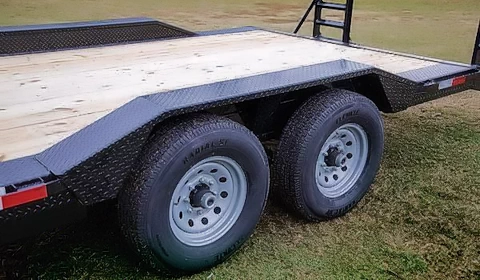
Are you tired of dealing with flimsy trailer fenders that bend, break, or simply get in the way when loading wide equipment? Drive over trailer fenders represent a revolutionary upgrade that transforms your trailer’s functionality while providing unmatched durability and convenience. These reinforced fender systems are engineered to withstand the weight of vehicles driving directly over them, making them an essential upgrade for anyone serious about hauling heavy equipment, off-road vehicles, or wide cargo loads.
Unlike traditional trailer fenders that serve merely as splash guards, drive over trailer fenders are integrated into your trailer’s deck structure, essentially becoming part of the loading surface. This innovative design eliminates the width restrictions that standard fenders impose while dramatically increasing your trailer’s versatility and load capacity options.
Why Drive Over Trailer Fenders Are Essential for Modern Hauling
The hauling industry has evolved significantly, with equipment becoming wider, heavier, and more specialized. Traditional trailer fenders, typically measuring 82-84 inches between the inner edges, simply cannot accommodate today’s wide-body vehicles and equipment. Modern setups often exceed 93-94 inches in width, making standard fenders obsolete for many applications.
Drive over trailer fenders solve this critical problem by eliminating width restrictions entirely. When properly installed, these fenders can support substantial weight loads while providing full deck access. The benefits extend far beyond mere convenience – they represent a fundamental shift in how trailers can be utilized for heavy-duty applications.
The engineering behind drive over trailer fenders involves reinforced construction using heavy-gauge steel, typically 10-16 gauge, with internal bracing and structural support systems. This robust design ensures that the fenders can handle not just the static weight of parked vehicles, but also the dynamic forces generated during loading, unloading, and transport operations.
Types and Materials of Drive Over Fender Systems
Steel Construction Drive Over Fenders
Steel remains the gold standard for drive over trailer fenders due to its exceptional strength-to-weight ratio and weldability. Most professional-grade systems utilize 14-16 gauge steel construction with reinforced mounting points and internal bracing. Premium systems incorporate slotted ventilation holes behind the wheels to improve brake cooling, a crucial feature for trailers that see heavy use.
Key specifications for steel drive over fenders:
- Material thickness: 14-16 gauge steel (most common)
- Weight capacity: 2,000-5,000+ pounds per fender
- Mounting options: Weld-on, bolt-on with reinforcement plates
- Finish options: Bare steel, powder-coated, galvanized
- Ventilation features: Integrated cooling slots and drainage
Aluminum Drive Over Fender Options
While less common than steel, aluminum drive over trailer fenders offer unique advantages for specific applications. These systems provide excellent corrosion resistance and reduced weight, making them ideal for marine environments or applications where weight savings are critical. However, aluminum systems typically require more robust internal bracing to achieve equivalent load ratings.
Modular and Removable Systems
Some manufacturers offer removable fenders that provide flexibility for different cargo types and enable more efficient trailer transport when shipping multiple units. These systems utilize heavy-duty mounting hardware and reinforced attachment points to maintain structural integrity while allowing quick removal when needed.
Installation Methods and Best Practices for Drive Over Trailer Fenders
Professional Welded Installation
Welded installation represents the strongest and most permanent mounting method for drive over trailer fenders. This approach involves completely integrating the fenders into the trailer’s frame structure, creating a seamless extension of the deck surface. Professional installation typically includes:
Pre-installation preparation:
- Complete structural analysis of existing trailer frame
- Reinforcement of mounting points with additional steel plating
- Removal of existing fenders and surface preparation
- Precise measurement and alignment of new fender components
Welding process requirements:
- Full penetration welds at all structural joints
- Continuous seam welding along frame attachment points
- Stress-relief treatments for high-load applications
- Professional inspection and testing of all welds
The welding approach creates the strongest possible connection but requires professional equipment and expertise. Properly welded fenders with angled iron support brackets can achieve weight capacities approaching 300 pounds or more per mounting point.
Bolt-On Installation with Reinforcement
For trailer owners who prefer removable options or lack welding capabilities, bolt-on drive over trailer fenders provide an excellent alternative. These systems utilize heavy-duty mounting brackets and reinforcement plates to distribute loads across the trailer frame structure.
Critical installation considerations:
- Use of Grade 8 bolts and locking hardware
- Installation of backing plates to prevent frame deformation
- Proper torque specifications and thread-locking compounds
- Regular inspection and maintenance of mounting hardware
DIY Installation Tips and Safety Considerations
Many trailer owners choose to install drive over trailer fenders themselves, but this approach requires careful planning and attention to detail. Safety must be the primary concern, as improperly installed fenders can fail catastrophically under load.
Essential DIY installation requirements:
- Professional structural engineering analysis for custom installations
- Use of certified welding procedures and qualified welders
- Compliance with local DOT regulations and safety standards
- Load testing and inspection before first use
Weight Capacity and Structural Engineering Considerations
Understanding weight capacity is crucial when selecting and installing drive over trailer fenders. The load-bearing capacity depends on multiple factors including material thickness, internal bracing, mounting method, and the underlying trailer frame structure.
Axle and Frame Compatibility
Trailer axle diameter directly correlates with weight capacity, with 4-inch diameter axles supporting approximately 9,000 pounds. This information is critical when selecting appropriate fender systems, as the fenders must be compatible with the trailer’s overall weight rating.
Axle diameter and capacity relationships:
- 1.5-inch diameter: Up to 1,000 pounds per axle
- 2-inch diameter: Up to 2,000 pounds per axle
- 3-inch diameter: Up to 5,000 pounds per axle
- 4-inch diameter: Up to 9,000 pounds per axle
Load Distribution and Stress Analysis
Professional drive over trailer fenders distribute vehicle weight across the entire fender surface and into the trailer frame. This distribution is critical for preventing localized stress concentrations that could lead to structural failure. The engineering analysis must consider both static loads (parked vehicles) and dynamic loads (loading/unloading operations).
Key engineering factors:
- Point loading: Concentration of weight on tire contact patches
- Dynamic amplification: Additional forces during loading operations
- Fatigue considerations: Repeated loading cycles over trailer lifetime
- Safety factors: Engineering margins for unexpected load conditions
Commercial Applications and Industry Use Cases
Construction and Heavy Equipment Hauling
Construction companies represent one of the largest markets for drive over trailer fenders due to their need to transport increasingly wide equipment. Modern excavators, bulldozers, and specialized construction machinery often exceed standard trailer widths, making drive-over capability essential.
Typical construction applications:
- Wide-track excavators and bulldozers
- Specialized paving and road construction equipment
- Oversized concrete and masonry tools
- Multi-piece equipment requiring flexible loading options
Off-Road and Recreation Vehicle Transport
The off-road recreation market has embraced drive over trailer fenders as essential equipment for transporting modified vehicles. These fenders help keep trailer wheels from slinging mud, rain, and debris everywhere, protecting both the trailer and cargo.
Recreation vehicle benefits:
- Accommodation of wide-stance off-road vehicles
- Protection from trail debris and weather
- Improved loading convenience at remote locations
- Enhanced trailer durability in harsh environments
Agricultural and Farming Applications
Agricultural operations benefit significantly from drive over trailer fenders when transporting farm equipment, livestock facilities, and specialized machinery. The ability to drive over fenders provides crucial flexibility when working with equipment that varies widely in size and configuration.
Cost Analysis and Return on Investment
Initial Investment Considerations
Professional drive over trailer fenders represent a significant upfront investment, with complete systems ranging from $800 to $3,000+ depending on size, materials, and installation requirements. However, this cost must be evaluated against the long-term benefits and potential cost savings.
Cost breakdown for typical installations:
- Materials: $400-$1,200 for quality fender systems
- Professional installation: $400-$800 for welded mounting
- Reinforcement materials: $100-$300 for frame upgrades
- Total investment: $900-$2,300 for complete systems
Long-Term Value and Durability Benefits
Drive over fenders provide immediate benefits including more usable deck space, convenient access steps, and superior durability compared to stock fenders. These advantages translate into measurable cost savings over the trailer’s operational lifetime.
Quantifiable return on investment factors:
- Reduced loading time: Faster equipment positioning saves labor costs
- Eliminated width restrictions: Ability to haul wider loads increases revenue potential
- Improved durability: Reduced maintenance and replacement costs
- Enhanced safety: Fewer loading accidents and associated costs
Financing and Leasing Options
Many commercial operators choose financing or leasing arrangements for trailer upgrades including drive over trailer fenders. Equipment financing companies often recognize these upgrades as value-adding improvements that enhance the trailer’s capabilities and resale value.
Maintenance and Long-Term Care Requirements
Routine Inspection Protocols
Drive over trailer fenders require regular inspection to ensure continued safe operation. The inspection process should focus on structural integrity, mounting point condition, and signs of fatigue or damage.
Monthly inspection checklist:
- Visual examination of all welds and mounting points
- Check for cracks, corrosion, or deformation
- Verify mounting hardware tightness and condition
- Inspect drainage systems and ventilation features
- Document any issues or maintenance needs
Preventive Maintenance Procedures
Proper maintenance extends the service life of drive over trailer fenders while ensuring safe operation. The maintenance program should address both structural components and protective finishes.
Quarterly maintenance tasks:
- Cleaning and inspection of all surfaces
- Touch-up painting or coating repair as needed
- Lubrication of removable mounting hardware
- Verification of weight capacity ratings and load limits
- Professional structural assessment if heavy use
Corrosion Prevention and Protection
Steel drive over trailer fenders require active corrosion protection, especially in marine environments or areas with heavy salt exposure. The protection strategy should include both initial protective coatings and ongoing maintenance.
Corrosion protection strategies:
- Initial coating: Powder coating, galvanizing, or marine-grade paint systems
- Ongoing protection: Regular cleaning and recoating as needed
- Drainage design: Proper water management to prevent standing water
- Material selection: Stainless steel hardware for critical applications
Safety Considerations and Regulatory Compliance
DOT Regulations and Requirements
Drive over trailer fenders must comply with Department of Transportation regulations regarding trailer safety and construction standards. These regulations vary by jurisdiction but generally address structural integrity, lighting requirements, and overall safety.
Key regulatory considerations:
- Structural standards: Minimum strength and safety requirements
- Lighting integration: Proper placement of required trailer lights
- Width restrictions: Compliance with maximum trailer width limits
- Safety equipment: Integration with existing safety systems
Load Securement and Tie-Down Integration
Modern drive over trailer fenders often incorporate tie-down points and load securement features. These elements must be properly engineered and positioned to provide secure cargo attachment without compromising fender integrity.
Integration features:
- D-ring tie-downs: Heavy-duty attachment points rated for cargo securement
- E-track compatibility: Integration with standard cargo management systems
- Winch integration: Mounting points for portable winch systems
- Safety lighting: LED integration for improved visibility
Selecting the Right Drive Over Fender System
Application-Specific Selection Criteria
Choosing appropriate drive over trailer fenders requires careful consideration of intended use, load requirements, and operational environment. The selection process should prioritize safety, functionality, and long-term durability over initial cost considerations.
Critical selection factors:
- Load capacity requirements: Maximum vehicle weights and loading scenarios
- Environmental conditions: Exposure to weather, salt, chemicals, or extreme temperatures
- Usage frequency: Daily commercial use versus occasional recreational applications
- Maintenance capabilities: Available resources for ongoing care and inspection
Manufacturer Reputation and Support
Working with reputable manufacturers ensures access to proper engineering support, quality materials, and ongoing technical assistance. Premium manufacturers often provide comprehensive support including installation guidance and warranty coverage.
Manufacturer evaluation criteria:
- Engineering credentials: Professional design and testing capabilities
- Material quality: Use of certified steel and components
- Installation support: Technical assistance and documentation
- Warranty coverage: Comprehensive protection for materials and workmanship
Future Trends and Technology Developments
Advanced Materials and Construction Methods
The drive over trailer fenders market continues to evolve with new materials and manufacturing techniques. Advanced high-strength steels, composite materials, and innovative joining methods are expanding the possibilities for lighter, stronger fender systems.
Emerging technologies:
- High-strength steel alloys: Reduced weight with maintained strength
- Composite materials: Corrosion resistance with excellent strength-to-weight ratios
- Modular designs: Standardized components for easier installation and maintenance
- Integrated electronics: Smart monitoring systems for load and structural health
Smart Integration and Monitoring Systems
Future drive over trailer fenders may incorporate sensors and monitoring systems to provide real-time feedback on structural condition, load distribution, and maintenance needs. These systems could significantly enhance safety while reducing maintenance costs.
Call to Action
Ready to upgrade your trailer with professional-grade drive over trailer fenders? Don’t let narrow fenders limit your hauling capabilities any longer. Contact certified trailer modification specialists in your area to discuss custom drive over trailer fender solutions that match your specific needs and applications. Whether you’re hauling construction equipment, off-road vehicles, or agricultural machinery, the right fender system will transform your trailer’s functionality while ensuring years of reliable service.
For those interested in similar commercial vehicle upgrades, check out our comprehensive analysis of drive thru windows and their impact on business operations.
Frequently Asked Questions About Drive Over Trailer Fenders
What weight capacity do drive over trailer fenders typically support?
Drive over trailer fenders typically support between 2,000 to 5,000+ pounds depending on construction materials, internal bracing, and installation method. Professional welded installations with reinforced mounting can handle significantly higher loads than bolt-on systems.
Can I install drive over trailer fenders on any trailer type?
Most trailers can be modified to accommodate drive over trailer fenders, but the installation requires careful structural analysis to ensure compatibility with the existing frame and axle system. Professional evaluation is recommended for safe installation.
How much do professional drive over trailer fenders cost?
Complete professional drive over trailer fender systems typically range from $900 to $2,300 including materials and installation. The investment varies based on trailer size, material specifications, and local labor rates.
Do drive over trailer fenders affect trailer weight ratings?
Properly installed drive over trailer fenders should not negatively impact trailer weight ratings when installed by qualified professionals. However, the additional weight of the fenders themselves must be considered in overall payload calculations.
What maintenance do drive over trailer fenders require?
Drive over trailer fenders require regular inspection of mounting points, welds, and structural integrity. Monthly visual inspections and quarterly detailed maintenance ensure safe operation and maximum service life.
Are removable drive over trailer fenders as strong as welded systems?
While removable drive over trailer fenders offer flexibility, welded systems typically provide superior strength and load capacity. The choice depends on specific application requirements and operational needs.
How do drive over trailer fenders improve loading efficiency?
Drive over trailer fenders eliminate width restrictions during loading, allowing direct access to the trailer deck without maneuvering around traditional fenders. This significantly reduces loading time and improves positioning accuracy.
Source: Drive-Over Trailer Fenders: Added Functionality for Your Hauler
Citation: Motor Trend. (2025). Drive-Over Trailer Fenders: Added Functionality for Your Hauler. Retrieved from https://www.motortrend.com/features/best-drive-over-trailer-fenders
