Understanding Moped Licensing Requirements in the United States
So you’re thinking about cruising around town on a moped? Smart choice! They’re fuel-efficient, easy to park, and honestly pretty fun to ride. But here’s the million-dollar question: do you need a driver’s license to drive a moped? The short answer is—it depends on where you live. Different states have wildly different rules about moped licensing, and what flies in California might get you pulled over in Florida. Let’s break down everything you need to know before you hop on that two-wheeled ride.
The confusion around moped licensing stems from how states classify these vehicles. Some states treat mopeds like bicycles with motors, while others lump them in with motorcycles. The engine size, top speed, and even the presence of pedals can all affect whether you need a license. Understanding these distinctions is crucial because riding without the proper credentials can result in fines, impounded vehicles, or worse—legal trouble that follows you around. Before you make any decisions, you need to know exactly what your state requires.
What Exactly Is a Moped? Key Definitions and Classifications
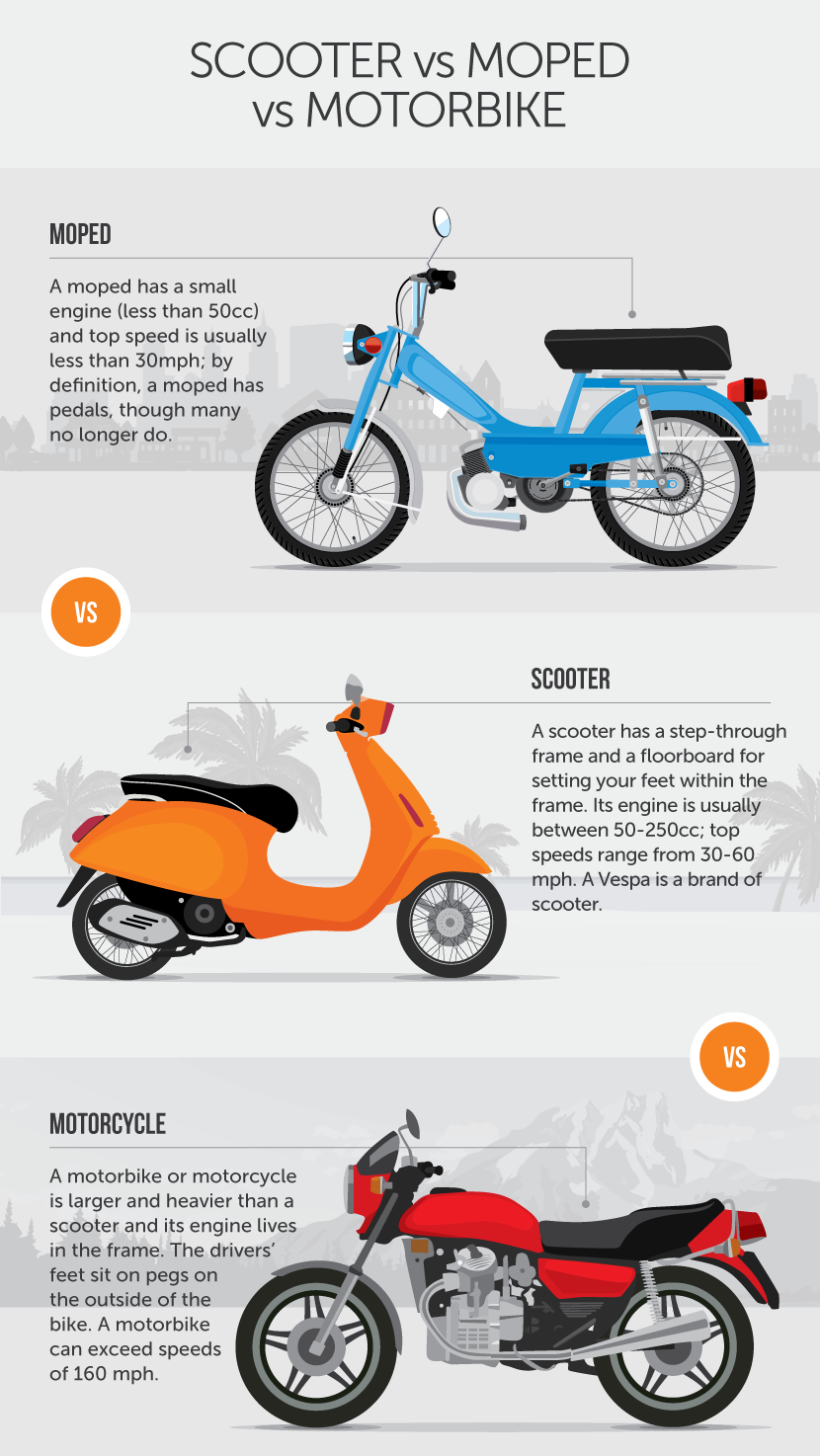
Before we dive into licensing requirements, let’s get crystal clear on what we’re actually talking about here. A moped isn’t just a small motorcycle or a fancy bicycle—it’s a specific type of vehicle with distinct characteristics that vary by state law. Generally speaking, mopeds are low-powered two-wheeled vehicles with engines typically under 50cc and maximum speeds around 30 mph. Many traditional mopeds also have pedals, though modern versions often don’t.
Here’s where it gets tricky: different states define mopeds differently, and these definitions directly impact licensing requirements. In some states, a moped must have pedals and an engine under 50cc. In others, any two-wheeled vehicle under 50cc qualifies, pedals or not. Some states even create separate categories for “motorized bicycles,” “motor-driven cycles,” and “mopeds”—each with their own rules. This is why you can’t just assume what works in your friend’s state will work in yours when it comes to whether you need a driver’s license to operate a moped.
Common Moped Characteristics:
- Engine size: Typically 50cc or less
- Maximum speed: Usually 30 mph or under
- Pedals: May or may not be required depending on state
- Transmission: Often automatic
- Weight: Generally lightweight, under 100 pounds
- Fuel efficiency: Excellent, often 100+ mpg
State-by-State Breakdown: License Requirements for Moped Riders
Now let’s get into the nitty-gritty. Do you need a driver’s license to drive a moped in your state? The answer varies dramatically depending on where you call home. Some states require a full driver’s license, others need just a moped-specific license or permit, and a few don’t require any license at all. Let’s look at how different states handle moped licensing requirements.
States Requiring a Driver’s License or Motorcycle Endorsement:
California requires riders to have at least a Class C driver’s license or a motorcycle license (M1 or M2) to operate a moped. You’ll also need to register your moped with the DMV and carry insurance. New York mandates a driver’s license or learner’s permit, plus registration and insurance for any motorized vehicle. Texas requires a valid driver’s license of any class to operate a moped, along with registration and liability insurance. These states take moped operation seriously and treat it similarly to driving a car.
Florida is interesting because it requires a driver’s license to operate a moped, but you don’t need motorcycle endorsement, registration, or insurance if your moped meets the 50cc/2 brake horsepower limit. Illinois requires a Class L or M license specifically for mopeds, which is different from a regular driver’s license. Pennsylvania mandates a Class C driver’s license and requires moped registration, though insurance isn’t mandatory. The key takeaway? Most populous states do require some form of driver’s license to legally operate a moped.
States with Special Moped Permits or Licenses:
Several states have created special licensing categories specifically for mopeds that are easier to obtain than a full driver’s license. North Carolina offers a moped license that requires passing a written test but no road test—perfect if you’re not ready for full driving privileges. Alabama has a similar system with a moped-specific license that’s less rigorous than a regular driver’s license. These options recognize that mopeds are less complex than cars while still ensuring riders understand basic traffic laws.
Louisiana requires a “Class E” motorized bicycle license for mopeds, which involves a written test covering traffic laws and safe riding practices. Massachusetts requires at least a learner’s permit, which means passing a written test before you can legally ride. These intermediate options strike a balance between safety and accessibility, acknowledging that while mopeds are simpler than cars, riders still need basic knowledge of road rules.
States with Minimal or No License Requirements:
Believe it or not, some states are pretty relaxed about moped licensing. Georgia doesn’t require a driver’s license to operate a moped, though you must be at least 15 years old and wear a helmet. South Carolina similarly doesn’t require a license for mopeds meeting specific criteria (under 50cc, under 30 mph), though registration is mandatory. Arkansas allows moped operation without a driver’s license as long as the vehicle meets moped specifications.
New Mexico doesn’t require a driver’s license for moped operation, but you must be at least 13 years old, and riders under 18 must wear helmets. Wyoming doesn’t require licensing for mopeds either, making it one of the most lenient states. However, even in these states, you still need to follow all traffic laws, and local municipalities might have additional requirements. Just because you don’t need a license doesn’t mean you can ride recklessly—safety should always be your top priority regardless of legal requirements.
Age Requirements: How Old Do You Have to Be to Drive a Moped?
Here’s another layer to the “do you need a driver’s license to drive a moped” question—age restrictions. Even in states that don’t require a driver’s license, there are almost always minimum age requirements. These vary significantly by state, ranging from as young as 13 in some places to 16 or 17 in others. Understanding age requirements is crucial, especially for teenagers looking for their first taste of motorized independence.
Most states that don’t require a driver’s license still set minimum ages between 14 and 16 for moped operation. For example, Alabama allows 14-year-olds to get a moped license, while Michigan requires riders to be at least 15. Ohio sets the minimum age at 14 for motorized bicycles. States that require a full driver’s license automatically set the minimum age at whatever their standard licensing age is—typically 16 with restrictions or 17-18 for full privileges.
Age Requirements by State Category:
- States allowing operation at 13-14: New Mexico, Ohio, Alabama
- States requiring age 15-16: Georgia, Michigan, North Carolina
- States requiring standard driving age: California, Texas, New York
- States with graduated systems: Some states allow learner’s permits at younger ages
Parental consent is often required for minors seeking moped licenses or permits. Many states also impose additional restrictions on young riders, such as mandatory helmet use, prohibited nighttime riding, or passenger restrictions. These graduated systems recognize that younger riders need extra protection while they develop experience and judgment on the road.
Moped vs. Scooter vs. Motorcycle: Understanding the Legal Differences
One of the biggest sources of confusion is understanding the difference between mopeds, scooters, and motorcycles from a legal standpoint. While these terms are often used interchangeably in casual conversation, they have very specific legal definitions that determine licensing requirements. Getting this wrong could mean you’re operating a vehicle illegally without even realizing it.
Mopeds are typically defined as having engines under 50cc, maximum speeds around 30 mph, and sometimes pedals. Scooters often have larger engines (50cc-150cc+), higher top speeds, and no pedals. Motorcycles have even larger engines and can reach highway speeds. Here’s the critical thing: if your “moped” has a 100cc engine and can hit 50 mph, your state probably classifies it as a scooter or motorcycle—meaning you’ll need a motorcycle license and endorsement, regardless of what the seller called it.
Many riders accidentally purchase scooters thinking they’re buying mopeds, only to discover they need additional licensing. A 49cc Honda Metropolitan? Probably a moped in most states. A 125cc Vespa? That’s definitely going to require a motorcycle license. The power and speed capabilities matter more than the brand name or what it looks like. Always check your state’s specific definitions and your vehicle’s actual specifications before assuming you can ride with just a basic license or no license at all.
Registration, Insurance, and Other Legal Requirements for Mopeds
Getting the right license is just the beginning—do you need a driver’s license to drive a moped is only one piece of the legal puzzle. Most states also require moped registration, and many mandate insurance coverage. These additional requirements ensure accountability and protect both riders and other road users in case of accidents. Ignoring these requirements can result in fines, vehicle impoundment, or legal liability if something goes wrong.
Registration requirements vary widely. States like California, Florida (in some cases), Texas, and New York require moped registration through their motor vehicle departments. This typically involves providing proof of ownership, paying a registration fee (usually $10-50), and receiving a license plate or registration sticker. Some states like Georgia and South Carolina also require registration even though they don’t require a driver’s license. The registration process helps states track vehicles and ensures mopeds meet minimum safety standards.
Insurance requirements are equally varied. California, Texas, and New York require liability insurance for mopeds, similar to cars. The minimum coverage amounts vary but typically include bodily injury and property damage liability. Florida doesn’t require moped insurance if your vehicle qualifies as a true moped under state law. Other states fall somewhere in between, with some requiring insurance only if you register the vehicle. Even in states where insurance isn’t legally required, getting coverage is smart—moped accidents can result in significant medical bills and property damage that you’d be personally liable for without insurance.
Additional Legal Requirements Often Include:
- Helmet laws: Mandatory in many states, especially for riders under 18-21
- Eye protection: Required in some jurisdictions
- Working lights and signals: Turn signals, brake lights, and headlights
- Mirrors: At least one rearview mirror
- Exhaust systems: Must meet noise regulations
- Safety inspections: Required periodically in some states
How to Get a Moped License or Permit: Step-by-Step Process
If your state requires a license or permit to operate a moped, you’ll need to know how to get one. The good news is that moped-specific licenses are generally easier and less expensive to obtain than full driver’s licenses. The process typically involves studying for a written test, passing that test, and paying a modest fee. Some states also require a vision test and identification verification.
Step 1: Study your state’s driver handbook. Most DMV websites offer free downloadable handbooks that cover traffic laws, road signs, and safe riding practices. Focus on sections about two-wheeled vehicles, right-of-way rules, and traffic signals. Even if you’re an experienced bicyclist, the written test will include questions about state-specific laws you might not know.
Step 2: Gather required documents. You’ll typically need proof of identity (birth certificate, passport), proof of residency, and your Social Security number. Minors usually need parental consent forms. Some states require proof of completion of a safety course. Have everything ready before you visit the DMV to avoid multiple trips.
Step 3: Take the written test. Most states allow walk-in testing at DMV offices, though some now offer online scheduling. The test typically includes 20-40 multiple-choice questions about traffic laws, signs, and safe riding. You’ll need to score at least 70-80% to pass, depending on your state. If you fail, you can usually retake the test after a waiting period, often the same day or within a few days.
Step 4: Pay the fee and receive your license or permit. Moped licenses typically cost between $10-50, significantly less than full driver’s licenses. You’ll receive either a separate moped license or an endorsement on your existing driver’s license. Keep this with you whenever you ride—operating without your license on hand can result in citations even if you technically have one.
Safety Courses and Training: Boosting Skills and Insurance Discounts
While we’re talking about whether you need a driver’s license to drive a moped, let’s discuss something equally important—safety training. Even if your state doesn’t require formal training, taking a moped or motorcycle safety course is one of the smartest investments you can make. These courses teach defensive riding techniques, emergency braking, hazard recognition, and accident avoidance skills that could literally save your life.
The Motorcycle Safety Foundation (MSF) offers courses throughout the United States, including basic rider courses that cover both mopeds and motorcycles. Many states offer these courses at reduced costs or even free for residents. The courses typically run over a weekend and include both classroom instruction and hands-on riding practice in a controlled environment. You’ll learn proper body positioning, turning techniques, emergency stops, and how to handle various road conditions.
Beyond safety benefits, completing a recognized safety course often provides tangible advantages. Many states waive the riding skills test for driver’s license applicants who complete an approved course. Some insurance companies offer discounts of 10-20% for riders who’ve completed safety training. Even if these benefits don’t apply to you, the confidence and skills you’ll gain make the investment worthwhile. Mopeds might seem simple, but riding safely in traffic requires knowledge and practice that most people don’t have naturally.
Common Penalties for Riding Without Proper Licensing
What happens if you decide to skip the licensing requirements and just ride anyway? The penalties for operating a moped without the proper license vary by state and can be surprisingly severe. Beyond the legal consequences, you could face significant financial liability if you’re involved in an accident while riding illegally. Understanding these risks should motivate you to get properly licensed before hitting the road.
Traffic citations are the most common penalty, typically ranging from $50-500 for a first offense. In states where licenses are required, riding without one is often classified as “driving without a license,” which can carry fines of $500-1,000 or more. Vehicle impoundment is another real possibility—police can and do tow improperly operated mopeds, leaving you with towing and storage fees on top of your citation. These fees can easily exceed $200-300 even for a short impoundment.
Criminal charges are possible in some jurisdictions, particularly for repeat offenders or if you’re involved in an accident. What might start as a simple traffic citation can escalate to misdemeanor charges if you ignore citations or continue riding illegally. Insurance complications are perhaps the most serious long-term consequence. If you’re in an accident while riding without proper licensing, your insurance company (if you even have insurance) may deny coverage, leaving you personally liable for all damages and medical bills. This could mean tens of thousands of dollars in debt.
Potential Penalties Include:
- First offense: $50-500 fine, court costs, potential points on driving record
- Repeat offenses: Higher fines ($500-1,000+), possible license suspension
- Accident involvement: Civil liability, potential criminal charges, insurance denial
- Minors: Delayed driver’s license eligibility, parental liability
Electric Mopeds and E-Bikes: Different Rules Apply
The rise of electric mopeds and e-bikes has created a whole new category of confusion around licensing requirements. These vehicles often blur the lines between traditional mopeds, electric bicycles, and motorcycles. The question “do you need a driver’s license to drive a moped” becomes even more complex when we’re talking about electric-powered vehicles that might have multiple power modes, high-capacity batteries, and varying top speeds.
Most states classify electric mopeds based on their power output (measured in watts) and top speed rather than engine displacement since there’s no combustion engine. An electric moped with a 750-watt motor and 30 mph top speed might be treated like a traditional 50cc moped. However, a 3,000-watt electric scooter capable of 50+ mph would likely require a motorcycle license. The key is understanding how your state defines these vehicles specifically.
E-bikes (electric bicycles) are often regulated differently than electric mopeds. Many states classify e-bikes into three classes: Class 1 (pedal-assist only, up to 20 mph), Class 2 (throttle-assisted, up to 20 mph), and Class 3 (pedal-assist only, up to 28 mph). These typically don’t require any license at all and are treated more like bicycles. However, if your “e-bike” has a throttle and can reach 30+ mph without pedaling, your state probably classifies it as an electric moped or motorcycle—meaning you’ll need appropriate licensing.
The challenge is that manufacturers sometimes market vehicles in ways that don’t align with legal classifications. A company might sell you an “electric bike” that’s legally a moped in your state. Always check your state’s specific definitions for electric two-wheeled vehicles and compare them to your vehicle’s actual capabilities. When in doubt, contact your local DMV or law enforcement for clarification—it’s better to ask before you ride than to discover you’re breaking the law after you get pulled over.
Where Can You Ride a Moped? Road Rules and Restrictions
Once you’ve figured out the licensing question, you need to understand where you can legally ride your moped. Do you need a driver’s license to drive a moped on highways? What about sidewalks or bike paths? These questions matter because riding in prohibited areas can result in citations and safety hazards. Different types of roads have different rules, and mopeds are often restricted from certain high-speed roadways.
Highways and interstates are generally off-limits to mopeds in most states. Since mopeds typically have maximum speeds of 30 mph and many highways have minimum speed limits of 40-55 mph, mopeds simply can’t keep up with traffic safely. Most states explicitly prohibit mopeds on any road with a posted minimum speed limit. Some states restrict mopeds from all roads with speed limits over 35 mph. Violating these restrictions is dangerous and illegal—you could cause accidents and face serious citations.
City streets and residential roads are where mopeds shine and are almost universally legal. You’ll need to follow the same traffic laws as cars: obeying traffic signals, yielding right-of-way appropriately, and using turn signals. Most states require mopeds to ride in the right lane except when passing or preparing for a left turn. Some municipalities allow mopeds in bike lanes, while others prohibit it—check your local ordinances.
Sidewalks are almost always illegal for moped riding, even in states that don’t require licenses. Sidewalks are for pedestrians, and motorized vehicles pose significant dangers to people walking. Bike paths and multi-use trails are typically prohibited for motorized vehicles, though some localities make exceptions for low-powered electric bikes. Even if technically legal, riding a motorized vehicle on paths designed for bicycles is often dangerous and inconsiderate. Stick to roads where mopeds are expected and appropriate.
Comparing Costs: Moped Ownership vs. Cars and Motorcycles
Let’s talk money. One reason people ask “do you need a driver’s license to drive a moped” is because they’re looking for affordable transportation. Mopeds offer significant cost advantages over cars and motorcycles, making them attractive for budget-conscious riders, students, and urban commuters. Understanding the total cost of ownership helps you make an informed decision about whether a moped is right for you.
Purchase price is where mopeds really shine. New mopeds typically cost $1,000-3,000, compared to $5,000-15,000+ for motorcycles and $15,000-35,000+ for cars. Used mopeds can be found for as little as $300-800 in good condition. Even with licensing fees, registration, and basic safety gear, you can get on the road for under $2,000 total—a fraction of what you’d pay for a car.
Fuel costs are minimal with mopeds. Most mopeds get 80-100+ miles per gallon, and some exceed 120 mpg. With a typical 1-2 gallon tank, you might spend $5-10 on fuel monthly for typical commuting. Compare that to $100-300+ monthly for cars. Maintenance costs are also low—oil changes every 1,000 miles cost $15-30, tires last 3,000-5,000 miles and cost $30-50 each, and most repairs are simple enough for DIY work with basic tools.
Insurance costs vary significantly based on state requirements and coverage levels, but generally range from $100-400 annually for mopeds versus $1,000-2,000+ annually for motorcycles and $1,200-2,400+ for cars. Registration fees are typically $10-50 annually compared to $50-300+ for cars. Over a year, total moped ownership might cost $500-1,000 beyond the purchase price, while cars easily cost $5,000-10,000+ annually when you include payments, insurance, fuel, and maintenance.
Cost Comparison Table:
| Expense Category | Moped | Motorcycle | Car |
|---|---|---|---|
| Purchase Price | $1,000-3,000 | $5,000-15,000 | $15,000-35,000 |
| Annual Insurance | $100-400 | $500-2,000 | $1,200-2,400 |
| Monthly Fuel | $5-10 | $30-80 | $100-300 |
| Annual Maintenance | $100-300 | $300-800 | $500-1,500 |
| Registration | $10-50 | $30-150 | $50-300 |
Real Stories: Moped Riders Share Their Licensing Experiences
Nothing beats hearing from people who’ve actually been through the process. I’ve talked to dozens of moped riders across the country, and their experiences illustrate just how different state requirements can be. These real stories show why understanding your specific state’s laws matters so much when asking “do you need a driver’s license to drive a moped?”
Maria from California shares: “I bought a 49cc Yamaha Vino thinking I could just ride it without any license. Wrong! California requires at least a Class C license. I had to go through the whole driver’s license process—written test, behind-the-wheel training, driving test. It took two months and cost about $300 total, but now I can legally ride my scooter and I’m more confident on the road.”
Jake from Georgia had a different experience: “Here in Georgia, I didn’t need any license at all for my 50cc moped. I was 16, bought the moped for $800, registered it for $25, and started riding the next day. The freedom was incredible. But I did take a safety course voluntarily because my dad insisted, and I’m glad I did—I learned a lot about defensive riding that probably kept me out of accidents.”
Tiffany from North Carolina explains: “North Carolina has this cool moped license that’s separate from a driver’s license. I got mine at 15 with just a written test—no road test required. It cost $20 and took about 30 minutes at the DMV. It’s perfect for teenagers who want some independence but aren’t ready for full driving. I rode my moped for two years before getting my driver’s license, and it really prepared me for understanding traffic.”
David from Florida warns: “I learned the hard way that helmet laws matter. I was riding my moped in Florida without a helmet—which is technically legal if you have insurance. But I got into a minor accident and hit my head. Thank God it wasn’t serious, but the hospital bills were over $8,000. Now I wear a helmet every time, legal requirement or not. Your brain is worth more than looking cool.”
Top Safety Tips for New Moped Riders
Whether or not you need a driver’s license to drive a moped in your state, you absolutely need to prioritize safety. Mopeds offer less protection than cars, and riders face greater risks in traffic. Following these safety guidelines can significantly reduce your accident risk and help you enjoy many years of safe riding. Experience matters, but knowledge and preparation matter even more.
Always wear a DOT-approved helmet, even in states where it’s not legally required. Helmets reduce the risk of head injury by 69% and the risk of death by 42% according to the National Highway Traffic Safety Administration. Full-face helmets offer the best protection, though three-quarter and half helmets are better than nothing. Make sure your helmet fits snugly and is properly fastened every single time you ride.
Increase your visibility to other drivers. Mopeds are small and easy to overlook, especially in heavy traffic. Wear bright or reflective clothing, use your headlight even during daylight hours, and position yourself where drivers can see you. Avoid riding in blind spots beside cars and trucks. Many accidents happen because drivers simply don’t see mopeds until it’s too late.
Master defensive riding techniques. Always assume other drivers don’t see you and have an escape route planned. Watch for cars turning left across your path—this is one of the most common accident scenarios. Give yourself extra space for braking, especially in wet conditions. Never ride between lanes of traffic (lane splitting) unless your state explicitly allows it and you have experience. Slow down at intersections even when you have the right of way.
Essential Safety Equipment:
- DOT-approved helmet: Non-negotiable for head protection
- Eye protection: Goggles or face shield to prevent debris
- Gloves: Protect hands in falls and improve grip
- Long pants and closed-toe shoes: Never ride in shorts and sandals
- Reflective vest or jacket: Dramatically improves visibility
- Riding-specific jacket: Provides abrasion resistance in crashes
Environmental Benefits of Choosing a Moped
Beyond the practical question of whether you need a driver’s license to drive a moped, consider the environmental benefits. Mopeds are among the most eco-friendly motorized transportation options available, offering a significant reduction in carbon emissions compared to cars. For environmentally conscious individuals, mopeds represent a practical way to reduce your carbon footprint while maintaining personal mobility.
Fuel efficiency is where mopeds truly excel environmentally. Getting 80-120+ miles per gallon means burning a fraction of the gasoline that cars consume. A typical moped emits about 40-60 grams of CO2 per kilometer, compared to 120-180+ grams for cars. Over a year of typical commuting, switching from a car to a moped could prevent 2,000-3,000 pounds of CO2 emissions—equivalent to planting 30-50 trees annually.
Electric mopeds take environmental benefits even further, producing zero direct emissions. When charged using renewable energy sources, their carbon footprint becomes nearly negligible. Even when charged from the grid, electric mopeds are more efficient than gasoline-powered vehicles because electric motors convert energy more efficiently than combustion engines. Battery technology continues improving, with newer electric mopeds offering 40-60 mile ranges on a single charge.
Urban congestion reduction is another underappreciated benefit. Mopeds take up significantly less road space and parking space than cars. If more people switched to mopeds for short urban trips, traffic congestion would decrease, reducing the time everyone spends idling in traffic and burning fuel unnecessarily. Cities like Amsterdam and Copenhagen have demonstrated how prioritizing smaller, more efficient vehicles improves overall urban mobility and air quality.
Planning Your First Moped Trip: Practical Considerations
Once you’ve sorted out licensing and purchased your moped, it’s time to actually ride. Planning your first trips carefully helps you build confidence and experience safely. Start with short, familiar routes during low-traffic times before venturing into challenging situations. Understanding the practical aspects of moped riding ensures you’re prepared for real-world conditions beyond what any licensing test covers.
Start in low-traffic areas like residential neighborhoods or empty parking lots. Practice basic maneuvers—starting, stopping, turning, signaling—until they feel natural. Get comfortable with your moped’s acceleration, braking, and handling characteristics. Every moped feels different, and you need to understand your specific vehicle before entering traffic. Spend at least a few hours in low-pressure environments before attempting busier roads.
Plan routes carefully when you start commuting. Choose roads with lower speed limits and lighter traffic when possible. Avoid highways and interstates where mopeds aren’t allowed or can’t keep up with traffic safely. Use mapping apps to identify bike-friendly routes that often work well for mopeds too. Consider factors like road surface quality—mopeds handle poorly on gravel, potholes, and rough pavement—and weather conditions.
Prepare for weather challenges because mopeds offer minimal protection from elements. Rain makes roads slippery and dramatically increases braking distances. Cold weather affects your ability to control the vehicle and reduces your alertness. Strong winds can literally blow you around, especially when passing large vehicles. Always check the weather before riding and postpone trips in severe conditions. Invest in rain gear if you’ll be commuting regularly.
Carry essential items for emergencies and convenience. A basic toolkit, tire repair kit, and phone are minimum requirements. Know how to change a flat tire or call for help. Carry your license, registration, and insurance information at all times. A small backpack or under-seat storage works for most mopeds, though avoid overloading—excess weight affects handling and performance significantly.
Future Trends: How Moped Regulations Are Evolving
The landscape of moped regulation continues evolving, particularly as electric vehicles become more popular and urban transportation needs change. Understanding future trends helps you anticipate how licensing requirements might change and what new options might become available. While we can’t predict exactly what laws will look like in five years, several clear trends are emerging across the United States.
Electric vehicle integration is reshaping how states classify and regulate mopeds. As electric mopeds become more powerful and sophisticated, traditional engine-displacement-based definitions become meaningless. States are developing new classification systems based on power output (measured in watts), top speed, and vehicle weight. Expect clearer distinctions between e-bikes, electric mopeds, and electric motorcycles as regulations catch up with technology.
Micro-mobility initiatives in major cities are creating new frameworks for small electric vehicles. Cities like Los Angeles, Austin, and Miami are implementing pilot programs for shared electric mopeds and scooters, often with modified licensing requirements or safety regulations. These programs could influence statewide policies as cities demonstrate what works and what doesn’t. Urban areas may develop separate rules from rural regions to address different transportation needs and infrastructure.
Safety technology requirements are likely to increase. Just as cars now require backup cameras and electronic stability control, future moped regulations might mandate ABS braking, automatic headlights, or connectivity features. Some manufacturers already offer mopeds with smartphone integration, GPS tracking, and emergency notification systems. While these features improve safety, they also increase costs and complexity, potentially affecting who can afford mopeds.
Licensing standardization efforts are underway in some regions, though progress is slow. The American Association of Motor Vehicle Administrators (AAMVA) has proposed model legislation to create more consistency across states, but adoption remains voluntary. Don’t expect dramatic standardization soon, but the conversation is happening, and some regional consistency may emerge in coming years.
International Perspective: Moped Licensing Around the World
While we’ve focused primarily on United States regulations regarding whether you need a driver’s license to drive a moped, it’s interesting to note how other countries handle this question. International perspectives reveal different approaches to balancing mobility access with safety concerns. If you’re planning to ride abroad or are curious about alternative regulatory models, these international comparisons provide valuable context.
European countries generally require licenses for mopeds but often have graduated systems that allow young people to ride low-powered mopeds before getting full licenses. In France and Italy, 14-year-olds can ride 50cc mopeds with an “AM license” that requires minimal training. The UK requires a “CBT” (Compulsory Basic Training) certificate for moped riders, which involves a one-day course. Germany has a tiered licensing system with different categories for different engine sizes and power outputs.
Asian countries where mopeds and scooters dominate transportation often have more relaxed requirements. In Thailand, technically a license is required, but enforcement varies significantly. Vietnam has millions of motorbike riders, many operating without proper licensing. India requires a two-wheeler license that’s separate from car licenses but relatively easy to obtain. These countries demonstrate that moped prevalence doesn’t necessarily correlate with strict licensing enforcement.
Australia and New Zealand require motorcycle licenses for riding mopeds, treating them more seriously than many US states. This reflects their overall stricter approach to road safety and licensing. Canada’s provinces each set their own rules, creating similar state-by-state variation as in the US. Some provinces require motorcycle licenses while others have moped-specific categories.
These international differences show there’s no universal consensus on how to regulate mopeds. Cultural factors, existing transportation infrastructure, enforcement capabilities, and political priorities all influence how countries approach moped licensing. The variety of approaches worldwide suggests that no single system is obviously superior—different solutions work in different contexts.
Resources and Tools for Moped Riders
As you navigate the question of whether you need a driver’s license to drive a moped and begin your riding journey, numerous resources can help you succeed. From official government websites to community forums and safety organizations, tapping into these resources improves your knowledge and connects you with experienced riders. Here are the most valuable tools and information sources for both new and experienced moped enthusiasts.
State DMV websites are your primary source for official licensing requirements, registration procedures, and testing information. Most states provide downloadable handbooks, practice tests, and fee schedules online. Bookmark your state’s DMV site and check it regularly—requirements sometimes change, and you want to stay current. Many states now offer online appointment scheduling, which can save hours of waiting at physical DMV offices.
Motorcycle Safety Foundation (MSF) provides comprehensive safety training, including courses appropriate for moped riders. Their website (msf-usa.org) lists training locations nationwide and offers educational resources even if you don’t take a formal course. The MSF RiderCourse prepares you for both practical riding skills and written licensing tests. Completion certificates from MSF courses are recognized by insurance companies for discounts and by states for licensing test waivers.
Online moped communities like ModernBuddy.com, MotorScooterGuide.net, and various Facebook groups connect riders for advice, troubleshooting, and camaraderie. These communities are invaluable for model-specific information, maintenance tips, and route recommendations in your area. Experienced riders often share insights about local laws, enforcement patterns, and practical riding wisdom you won’t find in official materials.
YouTube channels dedicated to moped and scooter content offer visual learning opportunities. Channels like “ScooterBros,” “Fortnine,” and “C90Adventures” provide everything from maintenance tutorials to riding technique demonstrations. Visual learning is particularly helpful for mechanical tasks like oil changes, tire repairs, and brake adjustments that are easier to understand when you can see them performed.
Useful Websites and Apps:
- DMV.org: Comprehensive information for all US states
- Fuelly.com: Track your moped’s fuel economy and maintenance
- RideApart.com: News, reviews, and educational content for two-wheelers
- Reddit r/scooters: Active community with thousands of members
- iOverlander / Maps.me: Finding moped-friendly routes and parking
- State-specific motorcycle/moped Facebook groups: Local knowledge and meetups
Making Your Decision: Is a Moped Right for You?
After exploring all aspects of moped licensing, ownership, and operation, you’re ready to make an informed decision. Do you need a driver’s license to drive a moped? You now know the answer depends on your state—but more importantly, you understand the broader context of what moped ownership entails. Making the right choice requires honest assessment of your needs, capabilities, and circumstances.
Consider your transportation needs carefully. Mopeds excel at short urban commutes, errands within a few miles, and situations where parking is challenging. They struggle with longer distances, highway travel, carrying passengers or cargo, and bad weather. If your typical trips are under 10 miles in urban or suburban settings, a moped could be perfect. If you need to drive 30 miles on highways daily or transport kids and groceries, a car makes more sense.
Assess your comfort level and physical capabilities. Moped riding requires balance, coordination, and situational awareness. You’ll be exposed to weather and more vulnerable than in a car. If you have physical limitations affecting balance or reaction time, honestly evaluate whether moped riding is safe for you. Age alone shouldn’t be a barrier—plenty of older adults ride safely—but physical capability matters regardless of age.
Calculate total costs realistically. While mopeds are affordable, factor in all expenses: purchase price, licensing fees, safety gear, insurance (where required), registration, maintenance, and potential unexpected repairs. A $1,500 moped might need $500 in safety gear, $300 in licensing and registration, and $200 in immediate maintenance—suddenly you’re at $2,500. Can you afford this initial investment plus ongoing costs? Compare this to your current transportation costs to determine actual savings.
Think about your local climate and infrastructure. Mopeds work best in mild climates with reasonable infrastructure. If you live somewhere with harsh winters, months of rain, or roads in poor condition, year-round moped riding might be miserable. Some areas have terrible drivers who don’t respect vulnerable road users. Research your area’s moped-friendliness by talking to local riders or observing traffic patterns before committing.
Taking Action: Your Next Steps to Get Riding
Ready to move forward? Whether you need a driver’s license to drive a moped in your area or not, here’s your action plan for getting on the road legally and safely. Following these steps systematically ensures you don’t miss critical requirements and helps you build confidence as a new rider. Take your time with each step—rushing the process increases risks and could lead to expensive mistakes.
Step 1: Confirm your state’s specific requirements. Visit your state DMV website or call their information line to verify licensing requirements, age restrictions, registration processes, and insurance mandates. Don’t rely solely on generic information—get official confirmation from authoritative sources. If information seems unclear, visit a DMV office in person for clarification before making any purchases or commitments.
Step 2: Research and test ride potential mopeds. Read reviews, join forums, and talk to current owners about reliability, maintenance needs, and real-world performance. Visit dealerships to sit on different models and test ride if possible. Consider both new and used options—used mopeds can offer great value but require more careful inspection. Bring a knowledgeable friend or mechanic when evaluating used mopeds to spot potential problems.
Step 3: Complete licensing requirements. If your state requires a license or permit, start this process before buying a moped. Study the driver’s handbook, take practice tests online, and schedule your DMV appointment. If available, enroll in a safety course—the skills and confidence you’ll gain are worth far more than the course cost. Allow several weeks for this process if you don’t already have a driver’s license.
Step 4: Purchase safety gear before buying the moped. A quality helmet costs $100-300, with additional gear (gloves, jacket, protective pants) adding $100-300 more. Don’t skimp on safety equipment—it’s far cheaper than hospital bills. Buy gear that fits properly and is rated for motorcycle/moped use, not bicycle gear. Visit stores to try things on rather than buying online if possible.
Step 5: Complete purchase, registration, and insurance. Once you’ve found the right moped and completed licensing, proceed with purchase. Bring all necessary paperwork to the DMV for registration (proof of ownership, identification, license, insurance if required). Keep all documentation in your moped at all times. Schedule a maintenance appointment if buying used to ensure everything is safe before your first rides.
Step 6: Practice extensively in safe environments. Before venturing into traffic, spend hours practicing in empty parking lots or quiet residential areas. Master starting, stopping, turning, and emergency maneuvers. Build your confidence gradually, progressively attempting slightly more challenging routes. Consider riding with an experienced friend who can provide guidance and encouragement during your learning phase.
FAQ: Common Questions About Moped Licensing Requirements
Do you need a driver’s license to drive a moped in all states?
No, licensing requirements for moped operation vary significantly by state. Some states like California, Texas, and New York require at least a standard driver’s license or specific moped license. Other states like Georgia and South Carolina don’t require any driver’s license for mopeds meeting specific criteria (typically under 50cc and 30 mph maximum). States like North Carolina and Alabama offer special moped-only licenses that are easier to obtain than full driver’s licenses. Always check your specific state’s requirements through your DMV website, as these regulations change periodically and have significant enforcement consequences if violated.
What’s the minimum age to ride a moped without a license?
The minimum age varies by state and depends on whether a license is required. In states requiring driver’s licenses, the minimum age is typically 16-18 (standard licensing age). States with special moped licenses often allow younger riders, sometimes as young as 14-15. States without licensing requirements still usually impose minimum ages ranging from 13-16. For example, New Mexico allows 13-year-olds to ride mopeds without licenses (with helmet requirements), while Michigan requires riders to be at least 15. Most states also require parental consent for minors and impose additional restrictions like mandatory helmet use, no nighttime riding, or passenger prohibitions for younger riders.
Can you ride a moped on the highway or interstate?
Generally, no. Most states prohibit mopeds on highways, interstates, and any road with posted minimum speed limits. Since mopeds typically have maximum speeds of 25-35 mph and highways have minimum speeds of 40-55 mph, mopeds cannot safely keep pace with traffic. Specific restrictions vary—some states ban mopeds from any road with speed limits over 35 mph, while others allow them on roads up to 50 mph. Violating these restrictions is dangerous and illegal, potentially resulting in citations and accidents. Always check posted road signs and your state’s specific regulations before attempting to ride on high-speed roads.
What happens if you get caught riding a moped without a required license?
Penalties vary by state but typically include fines ranging from $50-500 for first offenses, with higher penalties for repeat violations. You may also face vehicle impoundment, court costs, and potential points on your driving record (if you have one). In some states, riding without proper licensing is classified as “driving without a license,” a more serious offense with fines up to $1,000 and possible misdemeanor charges. Beyond legal penalties, riding without licensing can complicate insurance claims if you’re in an accident—your insurance may deny coverage, leaving you personally liable for all damages and medical costs. Repeat offenders may face license suspension or delayed eligibility for driver’s licenses.
Do electric mopeds have different licensing requirements than gas mopeds?
It depends on your state. Many states classify electric mopeds based on power output (watts) and maximum speed rather than engine displacement. An electric moped with equivalent power to a 50cc gas moped typically faces the same licensing requirements. However, some states treat lower-powered electric vehicles (under 750 watts, under 20 mph) as e-bikes, which don’t require licensing. Higher-powered electric mopeds capable of 30+ mph usually require the same licensing as gas mopeds or motorcycles. The challenge is that manufacturers sometimes market powerful electric vehicles as “e-bikes” when they legally qualify as mopeds, so verify your vehicle’s actual specifications against your state’s legal definitions.
Is insurance required for mopeds?
Insurance requirements vary by state. California, Texas, and New York require liability insurance for mopeds similar to car requirements. Florida doesn’t require insurance for true mopeds (under 50cc, under 2 brake horsepower) but does for larger scooters. Many states don’t legally require moped insurance, especially when no registration is necessary. However, even where not legally required, insurance is strongly recommended. Accidents can result in substantial medical bills and property damage that you’d be personally liable for without coverage. Moped insurance is relatively inexpensive ($100-400 annually) and provides valuable protection. Some insurers offer bundled policies with homeowners or renters insurance for additional savings.
Can you ride a moped with a suspended driver’s license?
This depends on whether your state’s suspension specifically prohibits all motor vehicle operation or only applies to standard motor vehicles. In some states, a driver’s license suspension doesn’t technically prohibit moped operation if mopeds are classified separately and don’t require a driver’s license. However, in states where driver’s licenses are required for mopeds, riding during suspension violates your suspension terms and can result in serious penalties including extended suspension, fines, and potential jail time. Additionally, insurance likely won’t cover you if riding during suspension. If your license is suspended, consult with a lawyer before operating any motor vehicle, including mopeds, to understand your specific situation’s legal implications.
How long does it take to get a moped license?
If your state offers a separate moped license requiring only a written test (like North Carolina or Alabama), you can potentially get licensed in a single DMV visit lasting 1-2 hours. If you need a full driver’s license (required in states like California or Texas), the process takes much longer—typically 2-6 months including learner’s permit periods, behind-the-wheel training, and road tests. Safety courses, when required or voluntary, typically run over a weekend (8-16 hours total). Processing times for licensing vary by location—busy DMV offices might require appointments scheduled weeks in advance. Plan for at least several weeks to complete all requirements, practice adequately, and receive your license before purchasing a moped.
Do you need a motorcycle endorsement to ride a moped?
Not usually, but it depends on your state and the specific vehicle. Most states distinguish between mopeds (small, low-powered vehicles) and motorcycles (larger, more powerful vehicles), with mopeds not requiring motorcycle endorsements. However, if your vehicle exceeds your state’s moped criteria—typically more than 50cc, faster than 30 mph, or more than 2-3 brake horsepower—it may be classified as a motorcycle requiring an endorsement. Some states like California offer different motorcycle classes (M1 for all motorcycles, M2 for motorized bicycles and mopeds). Always verify whether your specific vehicle qualifies as a moped under state law, as manufacturers sometimes label scooters and small motorcycles as “mopeds” when they legally aren’t.
What documents do you need to register a moped?
Registration requirements vary by state, but typical documents include: proof of ownership (title, bill of sale, or manufacturer’s certificate of origin for new mopeds), valid identification (driver’s license, passport, or state ID), proof of insurance (in states requiring moped insurance), and proof of residency (utility bill, lease agreement, or bank statement). Some states require vehicle identification number (VIN) verification and safety inspections before registration. Registration fees typically range from $10-50. If purchasing a used moped, ensure the seller provides proper title transfer documentation—buying a moped without title can create significant registration problems. Check your specific state DMV website for exact documentation requirements before attempting registration.
Conclusion: Ride Safely and Legally
So, do you need a driver’s license to drive a moped? The answer, as we’ve thoroughly explored, depends entirely on where you live and what type of vehicle you’re operating. Some states require full driver’s licenses, others offer moped-specific licensing options, and still others don’t require any license at all. What remains constant across all jurisdictions is the importance of understanding and following your local laws to ride safely and legally.
Mopeds represent an affordable, efficient, and environmentally friendly transportation option that can genuinely improve your daily life. Whether you’re a teenager seeking independence, a commuter tired of traffic and parking hassles, or someone looking to reduce transportation costs, mopeds offer practical solutions. However, these benefits only materialize when you operate your vehicle legally, safely, and responsibly.
Take the time to research your state’s specific requirements, complete any necessary licensing, invest in proper safety gear, and build your skills gradually. The relatively small investment in proper preparation and equipment pays dividends in safety, confidence, and peace of mind. Remember that even in states without licensing requirements, taking a safety course and understanding traffic laws makes you a better rider and keeps everyone on the road safer.
If you’re seriously considering moped ownership, don’t let licensing requirements discourage you—most are straightforward and designed to ensure you understand how to ride safely. The freedom, cost savings, and enjoyment of moped riding are well worth completing whatever steps your state requires. Start your moped journey today by checking your state’s DMV website for specific licensing requirements, and take the first step toward affordable, fun, and practical transportation. Your adventure on two wheels awaits!
Ready to explore more about adventurous travel on two wheels? Check out our article on how to drive to the Everest Base Camp for an epic motorcycle journey that takes two-wheeled travel to the extreme.
Sources and Additional Reading:
- National Highway Traffic Safety Administration – Motorcycle Safety
- Motorcycle Safety Foundation Official Website
- DMV.org State-by-State Moped Requirements
- Insurance Information Institute – Motorcycle Insurance
Note: Laws and regulations change frequently. Always verify current requirements with your state’s Department of Motor Vehicles before purchasing or operating a moped. This article is for informational purposes and does not constitute legal advice.
