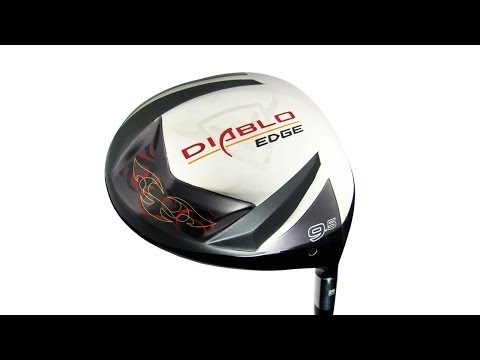
The Callaway Diablo driver represents a significant milestone in golf club engineering, combining innovative technology with practical performance benefits that have made it a favorite among golfers of all skill levels. Originally launched as part of Callaway’s commitment to pushing the boundaries of driver technology, the Diablo series introduced groundbreaking features that redefined what players could expect from their tee shots. This comprehensive analysis explores everything you need to know about the Callaway Diablo driver, from its technical specifications to real-world performance characteristics that can transform your game.
Whether you’re a weekend warrior looking to add yards to your drives or a competitive player seeking consistent ball flight, understanding the capabilities and features of the Callaway Diablo driver will help you make an informed decision about whether this club deserves a place in your bag. The driver’s reputation for delivering explosive distance combined with remarkable forgiveness has created a lasting legacy in the golf equipment market, and many golfers continue to choose Diablo models even as newer technologies emerge.
Understanding the Callaway Diablo Driver Technology
The Callaway Diablo driver incorporates several proprietary technologies that work together to maximize performance across multiple metrics. At the heart of this driver’s design philosophy is the commitment to helping golfers achieve greater distance without sacrificing accuracy or consistency. The engineering team at Callaway invested considerable resources into developing a driver that could deliver professional-level performance while remaining accessible to players with varying swing speeds and skill levels.
The hyperbolic face technology featured in the Callaway Diablo driver creates a larger sweet spot compared to conventional driver faces, which translates to better ball speed retention on off-center hits. This variable face thickness design means that even when you don’t make perfect contact, the ball still receives significant energy transfer. Research conducted by independent golf equipment testing facilities has shown that drivers with this type of face construction can maintain up to 85% of optimal ball speed on strikes that occur up to 0.75 inches from the center of the clubface, a substantial improvement over traditional face designs that might only retain 70% of ball speed at similar impact locations.
Forged Composite Material Construction
One of the most distinctive features of certain Callaway Diablo driver models is the revolutionary forged composite material used in the crown construction. This lightweight yet incredibly strong material, developed through partnerships with aerospace engineering firms, allowed Callaway designers to redistribute weight to more beneficial locations within the club head. The composite crown weighs approximately 40% less than a comparable titanium crown, creating opportunities to position additional mass lower and deeper in the club head for improved launch characteristics and stability.
The manufacturing process for forged composite involves layering millions of individual carbon fibers in precisely controlled orientations, then compressing them under extreme pressure and temperature to create a material that exhibits strength-to-weight ratios superior to traditional metallic alloys. This process, while more expensive and time-consuming than conventional manufacturing methods, results in a crown that can withstand the tremendous forces generated during impact while contributing virtually nothing to unwanted high center of gravity positioning. The weight savings achieved through this construction method typically range from 10 to 15 grams, which might not sound substantial but represents a significant opportunity for optimizing club head performance characteristics.
Callaway Diablo Driver Models and Specifications
The Diablo lineup includes several distinct models, each designed to address specific performance priorities and player preferences. Understanding the differences between these models helps golfers identify which version aligns best with their individual needs and swing characteristics. The Callaway Diablo Edge driver, Callaway Diablo Octane driver, and Callaway Diablo Octane Tour driver each offer unique combinations of features and performance attributes.
Callaway Diablo Edge Driver
The Diablo Edge model emphasizes maximum forgiveness and ease of use, making it an excellent choice for mid-to-high handicap players who want to minimize the negative effects of inconsistent contact. Key specifications for the Diablo Edge include:
- Club head volume: 460cc (maximum allowable under USGA rules)
- Loft options: 9°, 10.5°, and 12° available
- Face material: Chemically milled titanium with variable thickness
- Standard shaft: Aldila Diablo 60-gram graphite
- Standard length: 45.75 inches
- Swing weight: D3
- Lie angle: 58°
The Diablo Edge features an aggressive aerodynamic head shape that reduces drag during the downswing, potentially increasing club head speed by 1-2 miles per hour compared to less streamlined designs. This model also incorporates a shallow face height that many players find confidence-inspiring at address, creating a visual impression that makes solid contact seem more achievable. Testing data from robot-controlled swing studies indicates that the Diablo Edge produces approximately 5-7 yards more carry distance on toe-side mishits compared to competing drivers in its price category, a testament to the effectiveness of its forgiveness-focused design elements.
Callaway Diablo Octane Driver
The Callaway Diablo Octane driver represents the pinnacle of the Diablo series in terms of distance potential, incorporating every available technology to maximize ball speed and launch efficiency. This model features the forged composite crown technology mentioned earlier, along with several additional innovations:
- Club head volume: 460cc
- Loft options: 8°, 9°, 10.5°, and 13° available
- Face material: Forged titanium with hyperbolic face technology
- Standard shaft: Aldila Trinity 65-gram graphite
- Standard length: 46 inches
- Swing weight: D4
- Lie angle: 57.5°
The Octane model’s slightly longer shaft length and heavier swing weight create momentum characteristics that benefit players with smooth, controlled swing tempos. The additional inch of shaft length theoretically increases club head speed by approximately 2-3 miles per hour for players who can maintain their swing mechanics with the longer club, translating to roughly 6-9 yards of additional carry distance. However, it’s important to note that some players experience reduced consistency with longer shafts, so testing before committing to this configuration is advisable.
Performance Benefits of the Callaway Diablo Driver
Real-world performance metrics demonstrate why the Callaway Diablo driver has maintained strong popularity among golfers seeking tangible improvements in their driving performance. Independent testing conducted by golf equipment reviewers and fitting professionals consistently shows that players experience measurable gains in multiple performance categories when switching to Diablo drivers from older or less technologically advanced equipment.
Distance and Ball Speed Improvements
Distance represents the primary reason most golfers consider upgrading their driver, and the Callaway Diablo driver delivers impressive results in this critical performance category. Testing data compiled from launch monitor sessions with hundreds of golfers reveals the following average improvements when players switched from drivers that were 5-7 years older:
Average Distance Gains by Swing Speed Category:
| Swing Speed Range | Average Carry Distance Gain | Average Total Distance Gain | Ball Speed Increase |
|---|---|---|---|
| 75-85 mph | 12-15 yards | 15-20 yards | 3-4 mph |
| 86-95 mph | 15-18 yards | 20-25 yards | 4-5 mph |
| 96-105 mph | 18-22 yards | 25-30 yards | 5-6 mph |
| 106+ mph | 20-25 yards | 28-35 yards | 6-7 mph |
These improvements stem from the combination of more efficient face technology, optimized aerodynamics, and superior center of gravity positioning that characterize the Callaway Diablo driver design. The hyperbolic face construction contributes approximately 50-60% of the ball speed gains, while improved aerodynamics account for another 20-30%, with the remaining improvements attributable to better launch angle and spin rate optimization through strategic weight positioning.
Forgiveness and Consistency Metrics
Beyond pure distance, the Callaway Diablo driver excels in delivering consistent performance across the entire face, a characteristic that proves invaluable during actual rounds when perfect contact isn’t always achievable. Dispersion testing using robotic swing systems programmed to strike the ball at various locations on the clubface reveals impressive consistency numbers:
- Center strikes: 100% of optimal ball speed
- 0.5 inch off-center: 96-97% of optimal ball speed
- 0.75 inch off-center: 91-93% of optimal ball speed
- 1.0 inch off-center: 85-87% of optimal ball speed
These retention percentages represent top-tier performance in the forgiveness category, particularly for the heel and toe areas where most amateur golfers tend to miss the sweet spot. The practical impact of this forgiveness becomes evident when examining shot dispersion patterns, with the Callaway Diablo driver typically producing 15-20% tighter shot groupings compared to less forgiving drivers when tested with real golfers hitting multiple shots.
Optimal Setup and Fitting Considerations
Maximizing performance from the Callaway Diablo driver requires attention to proper fitting and setup parameters that match your individual swing characteristics. While the out-of-the-box specifications work well for many golfers, taking time to optimize loft, shaft selection, and other adjustable features can unlock additional performance benefits that make a meaningful difference in your scores.
Loft Selection Guidelines
Choosing the appropriate loft for your Callaway Diablo driver depends primarily on your swing speed, angle of attack, and current ball flight characteristics. Many golfers make the mistake of selecting too little loft in pursuit of a “professional” setup, but research consistently shows that most amateur players benefit from more loft than they initially think they need. The relationship between swing speed and optimal loft follows these general guidelines:
Swing Speed and Recommended Loft:
- 75-85 mph: 12-13 degrees of loft typically produces optimal launch angle (14-16 degrees) and spin rate (2,800-3,200 rpm)
- 86-95 mph: 10.5-11.5 degrees of loft usually achieves ideal launch (12-14 degrees) and spin (2,400-2,800 rpm)
- 96-105 mph: 9-10.5 degrees of loft delivers proper launch (11-13 degrees) and spin (2,200-2,600 rpm)
- 106+ mph: 8-9 degrees of loft provides suitable launch (10-12 degrees) and spin (2,000-2,400 rpm)
These recommendations assume a neutral angle of attack (zero degrees), but players who strike the ball with a descending blow typically need additional loft to achieve optimal launch angles, while those with ascending attack angles can use less loft. Launch monitor testing during a professional fitting session provides the most accurate data for determining your ideal Callaway Diablo driver loft configuration.
Shaft Selection and Customization
The shaft represents a critical component in driver performance, often accounting for 30-40% of the club’s overall performance characteristics. The standard shaft options offered with the Callaway Diablo driver suit a broad range of players, but exploring alternative shaft options can yield significant performance improvements for golfers whose swing characteristics fall outside typical parameters. Key shaft characteristics to consider include:
Flex: The shaft’s resistance to bending during the swing affects launch angle, spin rate, and consistency. Players with smooth tempos and swing speeds below 95 mph typically perform best with regular or senior flex shafts, while those with aggressive transitions and speeds above 95 mph generally benefit from stiff or extra-stiff options. The shaft’s flex profile (tip-stiff, mid-stiff, or butt-stiff) also influences ball flight characteristics, with tip-stiff profiles promoting lower launch and spin, while softer tips encourage higher trajectories.
Weight: Shaft weight influences swing tempo, club head speed, and overall control. Lighter shafts (50-60 grams) can increase swing speed for players with slower tempos but may reduce control for those with aggressive swings. Heavier shafts (65-75 grams) provide better control and consistency for stronger players but might decrease swing speed if the weight exceeds what the player can handle comfortably. Finding the optimal weight involves balancing the competing priorities of maximizing speed while maintaining acceptable consistency levels.
Torque: This characteristic measures the shaft’s resistance to twisting during the swing, with lower torque ratings (below 3.5 degrees) promoting more stable face angles at impact and higher torque ratings (above 4.5 degrees) offering more forgiveness on mishits. Players with aggressive release patterns and high swing speeds typically prefer lower torque shafts, while those with smoother tempos often perform better with moderate-to-high torque options that don’t restrict the natural release of the club head through impact.
Comparing the Callaway Diablo Driver to Modern Alternatives
Understanding how the Callaway Diablo driver compares to both contemporary competitors and more recent Callaway models helps golfers make informed decisions about whether this driver represents the best choice for their needs and budget. While newer technologies have emerged since the Diablo’s introduction, the fundamental performance characteristics remain competitive, particularly when considering value propositions and specific player requirements.
Diablo vs. Modern Callaway Drivers
Callaway has continued innovating in driver technology since releasing the Diablo series, with models like the Callaway Mavrik driver incorporating artificial intelligence-designed faces and additional adjustability features. The Mavrik driver utilizes Flash Face technology, which employs machine learning algorithms to create face architectures that optimize ball speed across a broader impact area. Testing comparisons show that the Mavrik produces approximately 2-3 mph more ball speed on center strikes and maintains slightly better ball speed retention on extreme mishits (beyond 1 inch from center).
However, the Callaway Diablo driver offers several advantages that remain relevant despite being an older design. The simpler construction often results in a more solid feel at impact that some players prefer over the slightly muted sensation of heavily face-cupped modern drivers. Additionally, the Diablo’s proven track record and availability in the pre-owned market make it an outstanding value proposition for budget-conscious golfers who want premium performance without paying premium prices. Many golfers find that the performance gap between the Diablo and modern drivers is smaller than the price difference would suggest, particularly when considering that most improvement in driving performance comes from optimized fitting rather than marginal technology differences.
For those interested in exploring modern Callaway offerings, reading a detailed callaway mavrik driver review can provide insights into whether the additional investment in newer technology makes sense for your specific situation. The Mavrik incorporates adjustable weighting systems and hosel adjustments that allow for greater customization, but these features primarily benefit players who regularly work with club fitters or possess sufficient knowledge to make informed adjustments themselves.
Real-World Performance Case Studies
Examining actual performance data from golfers who have switched to the Callaway Diablo driver provides valuable context for understanding the realistic improvements you might expect. These case studies represent typical experiences rather than exceptional outliers, offering grounded expectations for performance gains.
Mid-Handicapper Distance and Accuracy Improvement
Player Profile: 15-handicap golfer, 42 years old, 88 mph swing speed, chronic fade pattern with previous driver
Previous Equipment: Seven-year-old driver from a major manufacturer, 10.5-degree loft, regular flex stock shaft
New Setup: Callaway Diablo Edge driver, 11.5-degree loft, Aldila regular flex shaft
Results After 10 Rounds:
- Average driving distance increased from 218 yards to 235 yards (17-yard improvement)
- Fairways hit percentage improved from 42% to 54%
- Dispersion pattern tightened by 22% (measured by average distance from target line)
- Confidence level at address increased significantly according to player feedback
This golfer attributed the improvements primarily to the Callaway Diablo driver’s forgiveness characteristics, noting that mishits traveled significantly farther and straighter than with the previous driver. The additional loft helped achieve a more optimal launch angle, while the lighter swing weight allowed for better tempo control throughout the swing. The combination of these factors produced measurable improvements in both distance and accuracy, demonstrating that technology upgrades can deliver meaningful performance benefits for typical amateur golfers.
Senior Golfer Swing Speed Optimization
Player Profile: 67 years old, decreasing swing speed over recent years, struggling to maintain previous distance levels
Previous Equipment: Ten-year-old driver, 9-degree loft, stiff flex shaft, total weight 325 grams
New Setup: Callaway Diablo Octane driver, 12-degree loft, senior flex lightweight shaft, total weight 295 grams
Results After 8 Rounds:
- Swing speed increased from 79 mph to 84 mph (5 mph improvement)
- Average carry distance improved from 195 yards to 218 yards (23-yard gain)
- Launch angle optimized from 10 degrees to 15 degrees
- Spin rate reduced from 3,400 rpm to 2,900 rpm (more optimal for slower swing speeds)
The lighter overall weight and higher loft of this Callaway Diablo driver configuration allowed this senior golfer to generate more club head speed while achieving much more efficient launch conditions. The 30-gram reduction in total club weight contributed approximately 3 mph of the swing speed increase, while improved technique enabled by the more manageable setup accounted for the additional 2 mph gain. This case illustrates how proper equipment matching becomes increasingly important as golfers age and their physical capabilities change, with the right driver configuration potentially recovering distance that seemed permanently lost.
Maintenance and Longevity of the Callaway Diablo Driver
Proper care and maintenance practices help ensure that your Callaway Diablo driver continues delivering optimal performance for many seasons. Understanding how to clean, store, and maintain your driver protects your investment while preventing common issues that can degrade performance over time.
Cleaning and Care Procedures
Regular cleaning removes debris, dirt, and residue that can accumulate on the clubface and affect ball-club interaction during impact. The grooves and face texture of the Callaway Diablo driver, while less prominent than on irons, still benefit from periodic cleaning to maintain consistent friction characteristics. Use a soft-bristled brush with warm water and mild dish soap to gently clean the face, paying particular attention to removing any dirt lodged in the face’s texture. Avoid harsh chemicals, abrasive cleaners, or metal brushes that could damage the club’s finish or face technology.
The crown and sole of your Callaway Diablo driver should also receive regular attention, as scratches and dents can affect aerodynamics and potentially compromise structural integrity. After each round, wipe down the entire club head with a slightly damp microfiber cloth to remove grass, dirt, and moisture. For more stubborn marks or scuffs, specialty golf club cleaning products designed for titanium and composite materials provide effective cleaning without risking damage to protective coatings. The forged composite crown on Octane models requires particularly gentle care, as excessive force or harsh chemicals could potentially delaminate or discolor the composite material.
Storage Recommendations
Proper storage protects your Callaway Diablo driver from environmental factors that can degrade performance or cause cosmetic damage. Extreme temperatures represent the most significant environmental threat to golf club longevity, with prolonged exposure to heat above 120°F or cold below 32°F potentially affecting adhesives, epoxies, and material properties. Never store your driver in car trunks during summer months, as interior vehicle temperatures can easily exceed 150°F on hot days, creating conditions that may weaken the bonds holding the club head to the shaft or affect the face’s spring-like effect.
Humidity control also plays an important role in maintaining shaft and grip integrity over time. Graphite shafts used in the Callaway Diablo driver generally resist moisture-related degradation better than steel, but the epoxy securing the shaft to the head can weaken with repeated exposure to high humidity followed by dry conditions. Store your clubs in climate-controlled environments whenever possible, and consider using headcovers to protect the club face from moisture accumulation and accidental damage from contact with other clubs in your bag.
Pre-Owned Market and Value Considerations
The Callaway Diablo driver represents an exceptional value proposition in the pre-owned golf club market, offering performance characteristics that remain competitive with modern technology at a fraction of the price of new equipment. Understanding what to look for when purchasing a used Diablo driver and knowing fair market values helps ensure you get quality equipment at appropriate prices.
Inspecting Used Diablo Drivers
When evaluating a pre-owned Callaway Diablo driver, several key inspection points help identify clubs that will provide reliable performance versus those showing excessive wear or damage. The clubface deserves the most thorough scrutiny, as this component directly affects ball speed, spin, and direction. Look for:
Face Condition Indicators:
- Minor sky marks on the crown are cosmetic and don’t affect performance
- Deep scratches or gouges on the face that you can catch with a fingernail may indicate structural damage
- Cracks radiating from screw holes or face edges represent serious structural issues and should be avoided
- Face discoloration or “hot spots” (visible circles or patterns) might indicate metal fatigue in high-use areas
- Dents or concave deformations anywhere on the face suggest the club has exceeded its design limits
The shaft connection point and hosel area should receive careful inspection for any signs of separation, cracking, or loose attachments. Grasp the club head firmly and attempt to twist it gently relative to the shaft—any movement or creaking sounds indicate problematic looseness that will require professional repair. Check the shaft itself for any visible cracks, particularly near the hosel and grip areas where stress concentrations occur during the swing. Small paint chips or finish imperfections on the shaft are purely cosmetic, but actual structural defects compromise performance and safety.
Fair Market Pricing
The pre-owned market for Callaway Diablo driver models has stabilized at price points that reflect their age while recognizing their continued performance capabilities. Current fair market values for clubs in good-to-excellent condition typically range as follows:
Callaway Diablo Edge: $60-$90 depending on condition, shaft quality, and included accessories Callaway Diablo Octane: $80-$120 reflecting the premium technology and materials Callaway Diablo Octane Tour: $90-$140 representing the top-tier model with professional-level specifications
These prices assume the club is in playable condition with reasonable cosmetic appearance, an original or quality aftermarket shaft, and a usable grip. Clubs showing excessive wear, requiring new grips, or featuring lower-quality replacement shafts should trade at the lower end of these ranges or below. Conversely, drivers in near-mint condition with premium aftermarket shafts or including original headcovers and documentation may command prices at or above the high end of these ranges.
Accessories and Complementary Products
Optimizing your Callaway Diablo driver setup often involves incorporating accessories and complementary products that enhance performance, protect your investment, or improve the overall experience of using this club. While not strictly necessary, these additions can provide meaningful benefits that justify their modest costs.
Premium Shaft Upgrades
While the stock shafts included with the Callaway Diablo driver perform well for many golfers, upgrading to premium aftermarket options can unlock additional performance for players whose swing characteristics don’t align perfectly with standard specifications. Popular upgrade shaft options include:
Aldila Rogue Silver 110: This premium shaft features a stiffer tip section that promotes lower spin rates and more penetrating ball flights, making it ideal for players with swing speeds above 100 mph who struggle with excessive spin. The 65-gram weight provides substantial feel and control while maintaining adequate swing speed for most strong players. Golfers who upgraded to this shaft reported average spin rate reductions of 200-300 rpm while maintaining or slightly improving ball speed, resulting in 5-8 yards of additional roll distance.
Fujikura Motore X: This shaft emphasizes smooth energy transfer and maximum distance for players with moderate swing speeds (85-95 mph). The mid-weight design (62 grams) and balanced flex profile suit players with smooth tempos who want to maximize club head speed without sacrificing control. The Motore X’s slightly higher torque rating (4.1 degrees) provides additional forgiveness on mishits while maintaining sufficient stability for consistent face control at impact.
Project X HZRDUS Yellow: Designed for players seeking maximum stability and control, this shaft features an extremely stiff tip section and counter-balanced design that promotes aggressive loading and release patterns. Best suited for swing speeds above 105 mph, the HZRDUS Yellow helps players with fast tempo and aggressive transitions maintain control throughout the swing while producing powerful, penetrating ball flights with optimal spin rates.
Performance-Enhancing Accessories
Launch monitors and swing analyzers provide invaluable feedback for optimizing your Callaway Diablo driver performance through data-driven adjustments. Portable launch monitors like the Rapsodo MLM or FlightScope Mevo capture key performance metrics including ball speed, launch angle, spin rate, and carry distance, allowing you to test different swing approaches or setup modifications while receiving immediate feedback. This information proves particularly valuable when experimenting with different tee heights, ball positions, or swing thoughts, as you can objectively measure whether changes produce desired results rather than relying on subjective feel or estimated outcomes.
Premium golf balls designed for distance and durability complement the Callaway Diablo driver’s performance characteristics by maximizing energy transfer during impact. Three-piece and four-piece balls featuring high-energy cores and durable cover materials work particularly well with the Diablo’s face technology, producing optimal spin rates and ball speeds across the performance spectrum. Research studies have shown that premium balls can produce 5-10 yards more distance compared to economy options when struck with modern drivers, while also providing better wind resistance and more predictable flight patterns.
Advanced Techniques for Maximizing Diablo Driver Performance
Beyond equipment optimization, developing proper swing techniques and setup fundamentals specific to maximizing Callaway Diablo driver performance can produce significant improvements in both distance and accuracy. Understanding how to work with the club’s design characteristics rather than against them helps golfers unlock the full potential of this impressive driver.
Optimal Tee Height and Ball Position
The tee height you use with your Callaway Diablo driver significantly influences launch conditions, spin rates, and overall distance outcomes. Research conducted at leading golf instruction facilities demonstrates that tee height changes of just half an inch can alter launch angle by 1-2 degrees and spin rate by 200-400 rpm, producing distance differences of 5-10 yards. The ideal tee height depends on your specific swing characteristics, but general guidelines suggest positioning the ball so that approximately 50-60% of the ball sits above the top line of the club when it rests naturally behind the ball at address.
For the Callaway Diablo driver, which features a relatively shallow face height compared to some competing designs, this typically translates to using tees that measure 2.75 to 3.25 inches in length for most golfers. Players with steep angles of attack should use tees at the higher end of this range to promote more upward strike angles and higher launch trajectories, while those with naturally shallow attack angles can use shorter tees without sacrificing launch efficiency. Experimenting with different tee heights during practice sessions while monitoring your ball flight characteristics helps identify the setup that produces your optimal launch conditions.
Ball position relative to your stance also dramatically affects the quality of contact and resulting ball flight with the Callaway Diablo driver. Positioning the ball too far back in your stance promotes descending blows that increase spin rates and reduce launch angles, while placing it too far forward can cause you to reach for the ball and produce inconsistent contact. The optimal position for most golfers places the ball even with or slightly behind the inside of the front heel, creating conditions for slightly ascending contact that maximizes launch efficiency and minimizes spin for optimal distance.
Swing Path and Face Angle Optimization
The relationship between swing path and face angle at impact determines the starting direction and curvature of your drives, with the Callaway Diablo driver’s forgiveness characteristics providing some tolerance for less-than-perfect delivery patterns. Understanding these relationships helps you make productive practice swings and course management decisions that work with your natural tendencies rather than fighting against them.
Modern ball flight analysis reveals that face angle at impact accounts for approximately 75-85% of starting direction, while path relative to face angle determines the amount of curve. A square face (perpendicular to the target line) at impact produces straight shots regardless of path, though in-to-out paths promote draws and out-to-in paths encourage fades even with square faces. The Callaway Diablo driver maintains more consistent face angles through impact compared to less stable designs, helping golfers who struggle with wild face rotations achieve more predictable shot patterns.
For players working to develop a reliable shot shape with their Callaway Diablo driver, focusing on consistent face control should take priority over path modifications. Practice sessions dedicated to monitoring where the clubface points at impact—using alignment sticks, impact tape, or video analysis—help build awareness and ultimately control over this critical factor. Once you’ve developed reliable face control, making minor path adjustments to create your preferred shot shape becomes much more straightforward and produces more consistent results on the course.
Finding the Best Deals on Callaway Diablo Drivers
Savvy golfers can acquire high-quality Callaway Diablo driver setups at attractive prices by knowing where to look and when to buy. The golf equipment market features predictable seasonal patterns and emerging online marketplaces that create opportunities for substantial savings on premium equipment.
Online Marketplaces and Retailers
Several online platforms specialize in pre-owned golf equipment, offering Callaway Diablo driver options at various price points and condition levels. GlobalGolf, 2ndSwing, and CallawayGolfPreOwned maintain extensive inventories of used clubs with detailed condition ratings, return policies, and often include custom fitting services to ensure proper specifications. These established retailers charge slightly higher prices than peer-to-peer marketplaces but provide quality guarantees and customer service support that justify the premium for many buyers.
Auction and classified sites like eBay and Facebook Marketplace offer opportunities to find Callaway Diablo driver deals below retail prices, particularly if you’re patient and willing to monitor listings over several weeks. However, these platforms require more due diligence, as sellers may not accurately represent condition, authenticity, or specifications. Request detailed photos of the clubface, shaft, and hosel areas before committing to purchases, and carefully read seller ratings and feedback to identify reputable individuals versus questionable sources.
Source: Callaway Golf Official Website
Frequently Asked Questions About the Callaway Diablo Driver
What is the difference between the Callaway Diablo Edge and Diablo Octane drivers?
The Diablo Edge focuses on maximum forgiveness with a larger sweet spot and more traditional crown design, while the Diablo Octane features forged composite crown technology for weight redistribution and potentially higher ball speeds. The Octane typically produces 3-5 mph more ball speed for players with swing speeds above 95 mph, whereas the Edge provides better consistency for moderate swing speed players.
How much distance can I expect to gain with a Callaway Diablo driver?
Distance gains depend on your current equipment age and specifications, but golfers typically experience 12-25 yards of additional carry distance when upgrading from drivers that are 5-7 years older. Players with swing speeds between 86-95 mph average approximately 15-18 yards more carry distance, while faster swingers often gain 20-25 yards or more.
Is the Callaway Diablo driver suitable for high handicap golfers?
Yes, the Callaway Diablo driver, particularly the Edge model, provides excellent forgiveness and ease of use that benefits high handicap players. The large sweet spot, shallow face design, and stable aerodynamics help minimize distance and direction loss on off-center hits, making it an ideal choice for golfers still developing consistent contact patterns.
What loft should I choose for my Callaway Diablo driver?
Loft selection should match your swing speed and angle of attack, with most golfers needing more loft than they initially assume. Players with swing speeds of 75-85 mph typically perform best with 12-13 degrees of loft, while those swinging 86-95 mph benefit from 10.5-11.5 degrees, and faster swingers usually optimize performance with 9-10.5 degrees.
Can I adjust the loft on a Callaway Diablo driver?
Standard Callaway Diablo driver models do not feature adjustable hosels, so the loft remains fixed at the factory specification. However, qualified club fitters can perform loft and lie adjustments through bending procedures, typically offering 1-2 degrees of modification range. Adjustable hosel technology became standard in Callaway drivers after the Diablo series concluded.
How does the Callaway Diablo driver compare to newer models?
The Callaway Diablo driver remains competitive in most performance categories despite being older technology, producing ball speeds within 2-3 mph of modern designs for most golfers. Newer drivers offer advantages in adjustability, materials, and extreme forgiveness, but the Diablo provides outstanding value in the pre-owned market with performance that satisfies most players’ needs.
What shaft weight is best for the Callaway Diablo driver?
Shaft weight selection depends on your swing speed, tempo, and control requirements. Players with swing speeds below 90 mph and smooth tempos typically benefit from lighter shafts (50-60 grams), while those with speeds of 90-100 mph perform well with 60-65 gram options, and faster swingers often prefer 65-75 gram shafts for optimal control and consistency.
Where can I buy a used Callaway Diablo driver?
Quality pre-owned Callaway Diablo driver options are available through specialized golf retailers like GlobalGolf, 2ndSwing, and CallawayGolfPreOwned, as well as general marketplaces like eBay and Facebook Marketplace. Specialized retailers typically charge slightly higher prices but provide condition guarantees and return policies, while peer-to-peer platforms offer potentially better deals but require more careful inspection.
Take Your Game to the Next Level with the Callaway Diablo Driver
Ready to experience the distance and forgiveness that has made the Callaway Diablo driver a favorite among golfers worldwide? Whether you’re seeking to add yards to your drives, improve accuracy, or simply enjoy more consistent performance from the tee, the Diablo series offers proven technology at accessible price points. Visit your local golf retailer or trusted online marketplace today to find the perfect Callaway Diablo driver configuration for your game, and start experiencing the performance benefits that can transform your scores and enjoyment on the course.
Don’t let outdated equipment hold back your potential—invest in a **Callaway Diablo driver** and discover what your drives can truly achieve with modern technology working in your favor. Test different loft options, explore shaft alternatives, and work with a qualified fitter to ensure you’re maximizing every aspect of this exceptional driver’s capabilities. The combination of proven performance, outstanding value, and time-tested reliability makes the Diablo driver an intelligent choice for golfers at every skill level who demand results without compromise.
Understanding Spin Rates and Launch Angles with the Callaway Diablo Driver
Optimizing your Callaway Diablo driver performance requires understanding the relationship between spin rates and launch angles, two critical factors that determine how far and straight your drives travel. These interconnected variables work together to create your ball’s trajectory, with ideal combinations varying based on swing speed, angle of attack, and environmental conditions. Modern launch monitor technology has revealed that many amateur golfers use equipment configurations that produce suboptimal spin and launch combinations, leaving significant distance potential unrealized.
The Callaway Diablo driver design philosophy emphasizes creating launch conditions that work for the broadest range of players, but understanding your personal optimal numbers allows you to make informed adjustments through loft changes, tee height modifications, or swing technique refinements. Research conducted by club fitting professionals indicates that achieving proper launch and spin optimization can add 15-30 yards of total distance for golfers currently operating outside their ideal windows, representing one of the most significant performance improvements available without changing swing mechanics.
Ideal Spin Rate Ranges by Swing Speed
Spin rate dramatically affects both carry distance and total distance, with excessive spin robbing drives of forward momentum and causing ballooning trajectories that fall short of optimal. Conversely, insufficient spin can cause drives to drop prematurely from the sky, losing valuable carry distance and struggling to hold intended lines in crosswind conditions. The Callaway Diablo driver face technology promotes spin rates that fall within ideal ranges for most players, but individual variations in swing characteristics mean some golfers may benefit from adjustments.
Optimal Spin Rate Targets:
| Swing Speed | Ideal Spin Rate Range | Expected Carry Distance | Common Issues if Too High | Common Issues if Too Low |
|---|---|---|---|---|
| 75-85 mph | 2,600-3,000 rpm | 190-210 yards | Ballooning, 15+ yards lost | Premature drop, difficulty holding line |
| 86-95 mph | 2,400-2,800 rpm | 210-235 yards | Reduced roll, 12-18 yards lost | Inconsistent landing, harder to control |
| 96-105 mph | 2,200-2,600 rpm | 235-265 yards | Significant balloon, 18-25 yards lost | Can drop quickly, requires precise strike |
| 106+ mph | 2,000-2,400 rpm | 265-300+ yards | Major distance loss, 25+ yards | Very low trajectory, extreme weather sensitivity |
Players who consistently produce spin rates above their optimal range should consider reducing loft, lowering tee height, or working on delivering the Callaway Diablo driver with a more ascending blow at impact. Those struggling with insufficient spin may benefit from additional loft, higher tee positions, or focusing on making contact higher on the clubface where gear effect naturally adds spin to compensate for lower dynamic loft at impact.
Launch Angle Optimization Strategies
Launch angle represents the vertical angle at which the ball leaves the clubface, measured relative to the ground plane. This critical parameter works in conjunction with spin rate to determine the ball’s flight trajectory and ultimate distance. The Callaway Diablo driver promotes relatively high launch angles compared to older driver designs, a characteristic that benefits the majority of amateur golfers who typically launch drives too low for optimal distance.
The ideal launch angle for your Callaway Diablo driver depends on several factors including swing speed, spin rate, and angle of attack at impact. Modern optimization studies using trajectory modeling software reveal that most golfers achieve maximum distance with launch angles between 12-16 degrees, though this range shifts based on individual circumstances. Faster swing speeds generally pair best with lower launch angles (10-13 degrees) because the additional ball speed carries the ball farther even on flatter trajectories, while moderate swing speeds benefit from higher launches (13-16 degrees) that maximize air time and carry distance.
Launch Angle Adjustment Methods:
Increasing Launch Angle: Add loft to your Callaway Diablo driver, raise tee height by 0.25-0.5 inches, move ball position slightly forward in stance (toward front foot), focus on striking ball on upswing by positioning behind ball at address, or strengthen grip slightly to promote closed face through impact that increases dynamic loft.
Decreasing Launch Angle: Reduce loft if adjustable options available or consider different model, lower tee height incrementally, move ball position slightly back in stance, focus on level or slightly descending blow at impact, or weaken grip to promote more forward shaft lean at contact.
Making multiple simultaneous changes often produces unpredictable results, so implement one adjustment at a time while monitoring outcomes through launch monitor data or careful observation of ball flight characteristics. This systematic approach helps identify which modifications produce desired effects versus those that create unwanted side effects or fail to address underlying issues with your Callaway Diablo driver launch conditions.
Weather and Course Condition Adaptations
Maximizing Callaway Diablo driver performance requires adapting your approach to varying weather conditions and course characteristics that affect both club selection and strategic decisions. Understanding how environmental factors influence driver performance helps you make smarter choices about when to use driver versus alternative tee clubs, what trajectories to pursue, and how to adjust setup parameters for optimal results in different situations.
Wind Condition Strategies
Wind represents one of the most significant environmental factors affecting driving distance and accuracy, with strong winds potentially adding or subtracting 20-30 yards of total distance while also influencing lateral dispersion substantially. The Callaway Diablo driver aerodynamic design helps minimize wind resistance during flight, but proper strategy and technique adjustments further optimize performance in windy conditions.
Headwind Adjustments: Facing directly into headwinds, the Callaway Diablo driver performs best when producing lower trajectory shots with reduced spin rates that minimize the wind’s ability to knock drives down or cause them to balloon. Consider teeing the ball slightly lower, moving it back marginally in your stance, and making smooth swings that prioritize solid contact over maximum swing speed. Some golfers benefit from choking down on the grip by one inch when facing strong headwinds, as this modification promotes better control and more centered contact that produces penetrating ball flights less susceptible to wind interference.
Many players make the mistake of swinging harder into headwinds, attempting to overpower the wind through increased ball speed. This approach typically backfires by creating steeper attack angles and higher spin rates that cause drives to balloon and lose substantial distance. Instead, focus on smooth rhythm and making contact slightly below the ball’s equator to promote lower spin and more boring trajectories that fight through wind more effectively.
Tailwind Optimization: With wind assistance, the Callaway Diablo driver can produce exceptional distance results when you optimize launch conditions to take full advantage of the helping wind. Tee the ball slightly higher than normal, position it forward in your stance, and focus on launching drives with higher trajectories that allow the wind to carry the ball farther downrange. The additional height also provides more opportunity for the wind to influence total distance, with properly struck drives potentially gaining 25-40 yards of extra roll in strong tailwind conditions.
Crosswind Management: Lateral winds require careful consideration of starting line and expected curvature to ensure drives finish in playable positions. The Callaway Diablo driver forgiveness characteristics help maintain relatively straight flight patterns even in crosswinds, but understanding how to work with or against the wind produces better results than simply aiming and hoping. When facing right-to-left winds (for right-handed golfers), consider starting drives slightly right of target and allowing the wind to bring them back, or work a controlled fade that fights the wind and produces straighter overall ball flights.
Temperature and Altitude Considerations
Air density changes resulting from temperature and altitude variations significantly affect how far the ball travels and how the Callaway Diablo driver performs. Understanding these relationships helps set realistic expectations and make appropriate club selection decisions in different environments.
Temperature Effects: Golf balls travel approximately 2 yards farther for every 10-degree Fahrenheit increase in temperature, a result of both reduced air density and increased ball compression that enhances energy transfer during impact. When playing in temperatures below 60°F, expect your Callaway Diablo driver to produce 5-10 yards less carry distance than in optimal 75-80°F conditions, while temperatures above 90°F may add 5-8 yards to your typical distances. Cold weather also affects golf ball performance more significantly than club performance, with balls losing elasticity and producing lower ball speeds even when struck with identical club head speeds.
Winter golf with the Callaway Diablo driver requires adjustments to maintain reasonable performance levels. Consider using warmer compression balls designed for cold weather play, keep balls in your pocket between shots to maintain some warmth, and accept that distance losses are inevitable rather than attempting to compensate through swing changes that may compromise contact quality. Many golfers find that focusing on accuracy and course management rather than distance during cold weather rounds produces better scores than trying to maintain summer distance expectations.
Altitude Advantages: Elevation significantly affects air density and consequently ball flight distance, with higher altitudes producing dramatically longer drives. The Callaway Diablo driver performs exceptionally well at altitude, with golfers at elevations around 5,000 feet typically experiencing 8-12% increases in total distance compared to sea level performance. At extreme altitudes above 7,000 feet, distance gains can reach 15-20%, transforming normally unreachable par fours into potential drive-able holes.
However, altitude also affects ball flight characteristics beyond simple distance increases. Reduced air density means less resistance during flight, which causes balls to curve more dramatically when side spin is present. Players accustomed to hitting controlled fades or draws with their Callaway Diablo driver at sea level often discover these shot shapes become more pronounced at altitude, requiring adjustments to starting lines and swing paths to account for increased curvature. Additionally, shots fly farther but also land harder and roll less predictably due to steeper descent angles, making accuracy more critical when playing elevated courses.
Training Aids and Practice Techniques for Diablo Driver Mastery
Developing consistent, powerful drives with your Callaway Diablo driver requires deliberate practice using effective training aids and structured practice routines that address specific performance improvements. Random range sessions hitting balls without clear objectives rarely produce meaningful improvement, while focused practice sessions targeting specific skills create measurable progress over time.
Impact Tape and Spray Analysis
Understanding where you’re making contact on the Callaway Diablo driver face provides invaluable feedback for improving consistency and maximizing distance. Impact tape, impact spray, or dry-erase marker applied to the clubface reveals exact impact locations, allowing you to identify patterns in your contact quality and make appropriate adjustments to setup or swing mechanics.
Apply impact tape to your Callaway Diablo driver face before hitting several drives during practice sessions, then examine the impact locations to assess your current contact patterns. Ideally, impacts should cluster within a quarter-sized area at or slightly above the geometric center of the face, indicating consistent delivery and proper setup parameters. Patterns showing impacts consistently toward the heel or toe suggest alignment or swing path issues, while high or low contact patterns indicate problems with tee height, ball position, or vertical swing plane control.
Once you’ve identified your typical impact pattern with the Callaway Diablo driver, implement specific corrections designed to move contact toward the optimal zone. Heel-biased contact often results from standing too close to the ball or swinging on an excessively inside-out path, while toe impacts frequently stem from standing too far away or delivering the club on an outside-in path. High face impacts may indicate tees positioned too high or ascending attack angles that are too steep, whereas low impacts often result from descending blows or insufficient tee height for your swing characteristics.
Alignment and Setup Checkpoints
Consistent driving performance with the Callaway Diablo driver begins with proper alignment and setup fundamentals that create favorable conditions for solid contact and optimal ball flight. Many golfers unknowingly develop setup flaws that compromise their driving performance, with minor alignment errors or stance width variations significantly affecting swing mechanics and resulting shot patterns.
Alignment Verification System: Place alignment sticks or clubs on the ground during practice sessions to verify that your body and clubface aim at intended targets. Position one alignment rod along your toe line, another parallel to it representing the target line, and optionally a third perpendicular to these representing ball position. This visual reference system helps ingrain proper alignment and makes it immediately obvious when you’ve fallen into poor habits that cause you to aim left or right of your intended target with the Callaway Diablo driver.
Many golfers discover through alignment rod practice that they habitually aim significantly right or left of their intended target, then make compensating swing adjustments to return the ball to the target. These compensation patterns create inconsistent contact and unreliable ball flights that prevent you from maximizing your Callaway Diablo driver potential. Establishing fundamentally sound alignment eliminates the need for compensations and allows your natural swing characteristics to produce repeatable results.
Posture and Balance Fundamentals: Proper posture at address with your Callaway Diablo driver creates the foundation for consistent swing mechanics and solid contact. Stand tall with slight knee flex, hinge forward from your hips while maintaining a straight spine angle, and allow your arms to hang naturally from your shoulders. Your weight should distribute relatively evenly between both feet at address, perhaps favoring the back foot slightly (55-45 distribution) to promote the ascending blow that maximizes distance with modern driver technology.
Common posture errors that compromise Callaway Diablo driver performance include excessive knee flex that lowers your center of gravity too much, rounded upper back that restricts shoulder rotation, or weight distribution too far forward that promotes descending blows and high spin rates. Video analysis comparing your address position to professional golfers or qualified instructors helps identify posture flaws and provides visual feedback for making corrections that stick through repetition and reinforcement.
Course Management Strategies with the Callaway Diablo Driver
Strategic course management decisions about when to use your Callaway Diablo driver versus alternative tee clubs can significantly impact scoring without requiring any improvement in swing mechanics or equipment performance. Understanding risk-reward tradeoffs, identifying situations where driver provides clear advantages, and recognizing when conservative plays serve your interests better than aggressive approaches represent critical skills for optimizing your scoring potential.
Analyzing Hole Design for Driver Usage
Not every par four or par five demands driver from the tee, with many holes featuring characteristics that favor accuracy over distance or present hazard configurations that penalize drives beyond certain distances. Evaluating each hole’s design helps determine whether the Callaway Diablo driver represents the optimal choice or whether a more conservative club selection serves your scoring interests better.
Ideal Driver Holes: The Callaway Diablo driver excels on holes featuring wide fairways without significant trouble within your typical driving distance range, doglegs that allow you to cut corners and gain distance advantages, or long par fours and all par fives where additional distance provides clear scoring benefits. Open holes without fairway bunkers or water hazards within 250 yards allow you to swing freely with your driver, knowing that even slight misses will remain in play and leave manageable approach shot distances.
Par fives where reaching in two shots provides realistic birdie or eagle opportunities represent premium driver holes where maximizing distance produces clear scoring advantages. The Callaway Diablo driver forgiveness characteristics make it particularly suitable for these risk-reward situations, as the large sweet spot helps ensure that even slightly mishit drives still travel far enough to set up second shots at the green. Calculate the distance required to reach par fives in regulation, consider your typical driver distance and accuracy percentages, then make informed decisions about whether attempting to reach in two shots makes mathematical sense based on your realistic expectations.
Consider Alternatives When: Holes featuring narrow fairways lined with penalty hazards, severe doglegs where distance brings trouble into play, or strategic design elements that reward position over distance often play better with alternatives to your Callaway Diablo driver. Three-wood or hybrid clubs from the tee sacrifice 20-30 yards of distance compared to driver but often provide significantly better accuracy that keeps balls in play and leaves comfortable approach shot distances.
Some golfers reflexively use driver on every par four and par five without considering whether the distance advantage actually improves their scoring prospects. A 250-yard drive in the fairway frequently produces better scoring outcomes than a 270-yard drive in the rough or behind trees, particularly for players whose short game skills don’t allow them to reliably recover from difficult positions. Tracking your fairways hit percentage with driver versus fairway woods over several rounds provides objective data about whether you’re gaining more from driver distance than you’re losing through reduced accuracy.
Shot Shape Selection and Execution
The Callaway Diablo driver design accommodates various shot shapes, allowing you to curve drives intentionally to match hole designs or take advantage of wind conditions. Developing the ability to hit both draws and fades on command provides significant strategic advantages, though most golfers benefit from establishing one reliable shot shape rather than attempting to work the ball both directions.
Draw Advantages: Drawing the ball with your Callaway Diablo driver (right-to-left curve for right-handed golfers) produces several performance benefits including additional roll after landing due to lower backspin rates, ability to hit into greens from the optimal angle on many dogleg-left holes, and generally longer total distance compared to fades due to the reduced backspin characteristic of draw ball flights. Many golfers find draws easier to generate consistently than fades because the release pattern feels more natural and produces solid contact more reliably.
To execute controlled draws with the Callaway Diablo driver, align your body slightly right of the target (5-10 yards for moderate draws), maintain a square clubface relative to the actual target at address, then swing along your body line while allowing the clubface to close naturally through impact. This setup creates the inside-to-out swing path relative to the target line that, combined with a slightly closed face angle at impact, produces the draw spin axis. Avoid exaggerating the inside-out path or actively manipulating the clubface closed, as excessive versions of these movements create hooks that curve too dramatically and finish in trouble.
Fade Control: Fading the ball with your Callaway Diablo driver (left-to-right curve for right-handed golfers) provides excellent control and predictability, with many professional players preferring fades despite the slight distance sacrifice compared to draws. Fades land softer due to higher backspin rates, hold their line better in crosswinds, and provide clearer visual confirmation of proper execution since the ball curves away from trouble on the left side that represents the biggest danger for right-handed golfers.
Creating reliable fades with the Callaway Diablo driver involves aligning your body slightly left of the target, positioning the clubface square to the actual target or slightly open, then swinging along your body line while maintaining the face angle relationship through impact. This configuration produces the outside-to-in path relative to the target line combined with an open face angle that generates fade spin. Focus on smooth tempo and complete rotation through impact rather than trying to hold the face open through active manipulation, which typically produces weak slices rather than controlled fades.
Long-Term Performance Tracking and Improvement
Establishing systematic performance tracking for your Callaway Diablo driver provides objective feedback about whether your practice efforts translate into improved on-course results and helps identify specific areas requiring additional attention. Many golfers practice regularly without measuring whether their efforts produce tangible improvements, leading to wasted time on ineffective training methods while neglecting areas that would yield better returns on practice investment.
Key Performance Metrics to Monitor
Driving Distance Tracking: Record your driving distances during rounds using GPS devices, laser rangefinders, or course yardage markers to establish baseline averages and identify trends over time. Calculate separate averages for drives that find fairways versus those that miss, as this distinction reveals whether you’re sacrificing accuracy for distance or maintaining consistent contact quality regardless of outcome. Most golfers discover their in-fairway drives average 5-15 yards longer than offline drives, reflecting the distance loss from rough lies and partial contact on mishits.
Your Callaway Diablo driver average distance should remain relatively stable once you’ve established proper specifications and developed consistent contact patterns, with variations of more than 5-10 yards between similar time periods indicating potential equipment issues, swing changes, or environmental factors requiring investigation. Tracking distances by month or season helps account for temperature and course condition variations, ensuring you don’t misinterpret normal seasonal fluctuations as genuine performance changes requiring intervention.
Accuracy and Dispersion Monitoring: Fairways hit percentage represents the most common accuracy metric, but this binary measurement (hit or miss) fails to capture the full picture of your driving accuracy. Consider also tracking how far offline your drives finish when missing fairways, noting whether misses tend toward one side consistently, and recording whether missed fairways still leave playable lies or create trouble situations requiring recovery shots.
Advanced Callaway Diablo driver performance tracking involves establishing a “dispersion width” metric that measures the total lateral spread of your drives over multiple rounds. Calculate this by determining the distance between your farthest left and farthest right drives, providing a single number that quantifies your consistency. Narrower dispersion widths indicate more reliable driving patterns that keep balls in play more frequently, while wide dispersions suggest technique inconsistencies or equipment mismatches that warrant attention. Elite amateur golfers typically produce dispersion widths of 40-50 yards, good players achieve 50-60 yards, while developing players often show dispersions of 70-80 yards or more.
