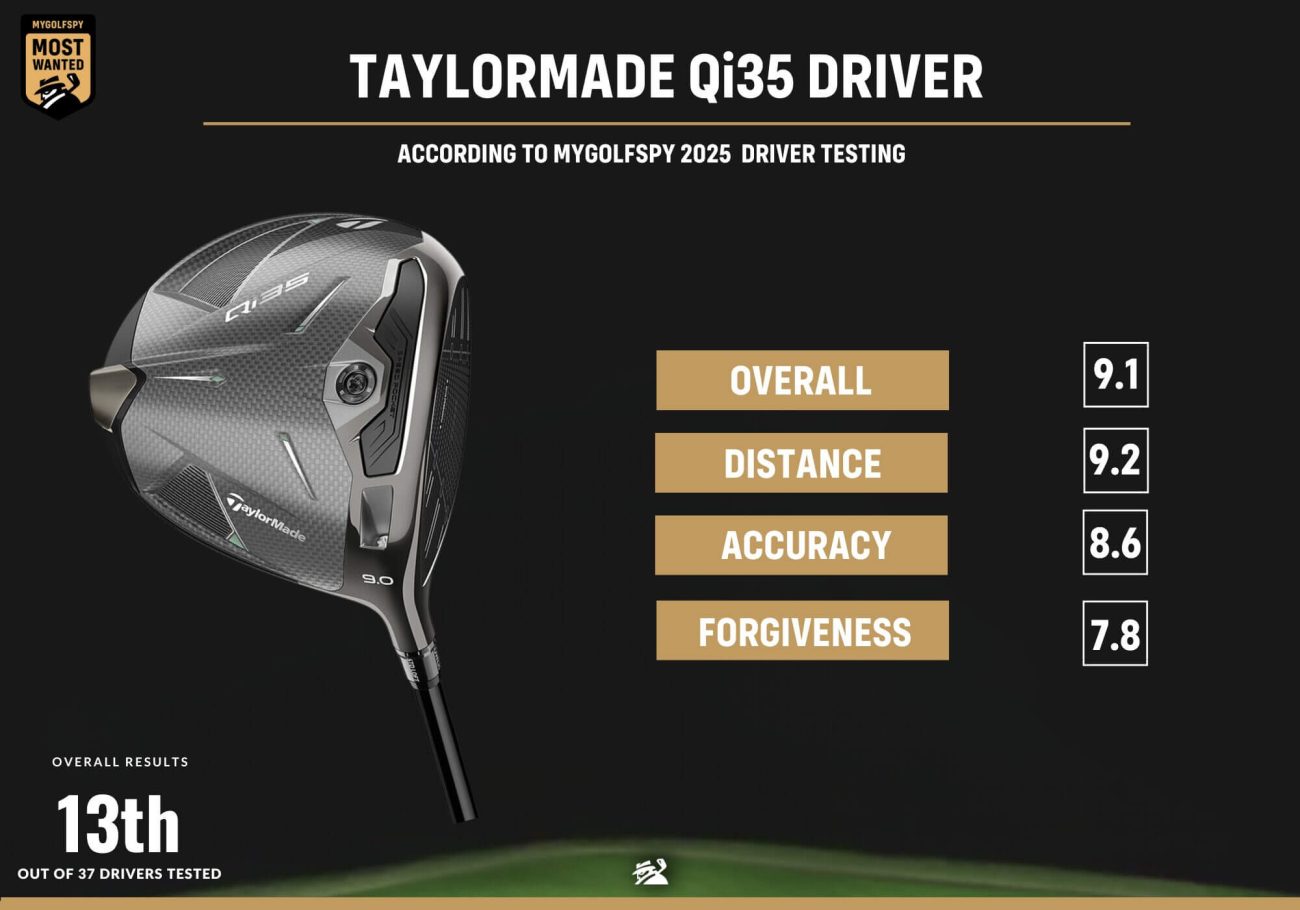
Golf equipment technology has evolved dramatically over the past decade, and nowhere is this more evident than in the driver category. TaylorMade has consistently positioned itself at the forefront of this innovation, delivering clubs that push the boundaries of distance, forgiveness, and adjustability. Whether you’re a low-handicap player seeking every possible yard or a weekend warrior looking to find more fairways, understanding the nuances of TaylorMade’s driver lineup can significantly impact your performance on the course.
The quest for the best TaylorMade driver isn’t about finding a single perfect club that works for everyone. Instead, it’s about matching the right technology, loft, shaft, and adjustability features to your unique swing characteristics. With models ranging from the ultra-forgiving Qi35 to the precision-focused Qi10 LS, TaylorMade offers options for virtually every skill level and swing type. This comprehensive guide will help you navigate these options and make an informed decision that could transform your tee shots.
Understanding TaylorMade’s Current Driver Technology
TaylorMade’s modern driver philosophy centers around three core principles: maximizing ball speed across the entire face, optimizing launch conditions for individual swing types, and providing meaningful adjustability without compromising performance. The company’s latest generation of drivers incorporates several breakthrough technologies that work synergistically to achieve these goals.
Carbon fiber construction has become increasingly prevalent in TaylorMade’s driver designs. By replacing traditional titanium components with lightweight carbon materials, engineers can redistribute weight to more strategic locations within the clubhead. This approach allows for larger sweet spots, higher moments of inertia (MOI), and more flexible face designs that generate faster ball speeds. The Qi10 series, for example, features a 60X Carbon Twist Face that’s both lighter and stronger than previous iterations, enabling TaylorMade to position more mass low and back in the head for improved forgiveness.
The Infinity Carbon Crown technology represents another significant advancement. This nearly weightless carbon crown extends from the face to the back of the club, freeing up approximately 44 grams of discretionary weight. Engineers strategically place this saved mass in the sole of the driver to lower the center of gravity and increase stability on off-center strikes. The result is a driver that launches higher with less spin for most golfers, creating a more penetrating ball flight that maximizes carry and total distance.
Thru-Slot Speed Pocket technology addresses one of golf’s most common mishits: the low-face strike. This flexible speed pocket on the sole of the driver flexes at impact to preserve ball speed on shots struck below the sweet spot. For recreational golfers who frequently tee the ball too low or struggle with ascending blow angles, this feature can add 5-10 yards of carry distance compared to drivers without this technology. The engineering behind this seemingly simple slot is remarkably complex, involving precise calculations about material thickness, flexibility zones, and stress distribution.
The Qi10 Series: TaylorMade’s Flagship Performance
The Qi10 family represents TaylorMade’s current pinnacle of driver technology, with three distinct models designed to serve different player profiles. Understanding the differences between these models is essential for anyone searching for the best TaylorMade driver for their game.
Qi10 Standard: The Sweet Spot of Forgiveness and Performance
The standard Qi10 model strikes an impressive balance between distance, forgiveness, and workability. With a 460cc head size and a draw-biased design, this driver appeals to the broadest range of golfers. The slightly stretched profile creates a larger face area, increasing the likelihood of maintaining ball speed on mishits. TaylorMade’s internal testing shows that the Qi10 standard maintains approximately 94% of center-face ball speed on strikes 15mm from the sweet spot, compared to 89-91% for many competing drivers.
The adjustable hosel system on the Qi10 provides four degrees of loft adjustability, allowing players to fine-tune their launch conditions without purchasing multiple clubs. This feature proves particularly valuable for golfers who play in varying weather conditions or on courses with different characteristics. A player might increase loft for softer summer conditions or seaside courses where maximizing carry is crucial, then decrease loft for firmer fall conditions where controlling spin and maximizing roll becomes more important.
Weight distribution in the Qi10 standard model promotes a mid-high launch with moderate spin rates, typically producing 2,400-2,800 RPMs for players with swing speeds between 95-105 mph. This spin window represents the optimal zone for maximizing both carry and roll while maintaining adequate shot-stopping ability on firm fairways. The internal weight track allows for minor adjustments to shot shape bias, though the standard model inherently favors a slight draw tendency that helps many amateur golfers minimize their slice.
Qi10 LS: Precision for Advanced Players
Low-spin drivers serve a specific purpose for accomplished players who generate excessive spin with standard models. The Qi10 LS (Low Spin) features a more forward center of gravity position and a slightly smaller 450cc head volume that promotes penetrating ball flights and enhanced workability. Tour professionals and single-digit handicappers appreciate how this driver responds to deliberate face manipulation and produces consistent fade or draw shapes on command.
Spin reduction is the primary benefit of the LS model, with most testing showing spin rates 300-500 RPMs lower than the standard Qi10. For a player with a naturally upward angle of attack and swing speed exceeding 110 mph, this spin reduction can translate to 10-15 yards of additional carry distance. However, slower swing speed players or those with already-low spin rates may find the LS model launches too low and carries shorter distances than higher-spinning alternatives.
The Qi10 LS incorporates a sliding weight track that allows for significant shot shape adjustment. By positioning the 15-gram weight in the heel or toe positions, players can promote draws or fades respectively while maintaining the low-spin characteristics. This adjustability makes the LS model particularly attractive to golfers who need to shape tee shots around doglegs or work the ball away from trouble on demanding courses. The neutral setting positions the weight centrally for players seeking the lowest possible spin with minimal shot shape bias.
Qi10 Max: Ultimate Forgiveness
The Qi10 Max represents TaylorMade’s most forgiving driver option, designed specifically for players who prioritize consistency over workability. With a massive 460cc head, rear weight positioning, and draw-biased face angle, this driver helps golfers who struggle with slicing or inconsistent contact find more fairways. The Qi10 Max typically produces 200-300 RPMs more spin than the standard model while launching approximately one degree higher, creating a towering ball flight that carries obstacles and maximizes total distance for moderate swing speeds.
Moment of inertia (MOI) measurements for the Qi10 Max exceed 6,000 g/cm², placing it among the most stable drivers ever produced. This exceptional stability means that even strikes 20mm from the center maintain sufficient ball speed to produce respectable distance. For recreational golfers who might only hit the sweet spot 30-40% of the time, this forgiveness translates directly to lower scores and reduced frustration. The difference between a 240-yard drive in the fairway and a 215-yard slice into the trees often determines whether a hole is a comfortable par or a scrambling bogey.
The fixed hosel design on some Qi10 Max models eliminates adjustability to optimize weight distribution for maximum forgiveness. While this might seem limiting, most golfers who need the Max’s forgiveness benefit more from its stability than they would from loft adjustments. The standard loft offerings of 9°, 10.5°, and 12° cover the launch needs of most players, with proper shaft fitting providing more meaningful performance gains than hosel tweaking.
Stealth 2 Series: Still Relevant in 2025
While the Qi10 series commands most of the attention, TaylorMade’s Stealth 2 lineup remains an excellent choice for golfers seeking proven performance at a more accessible price point. Released in 2023, these drivers incorporate many technologies that continue to compete effectively against newer models, particularly for players with specific swing characteristics.
The Stealth 2 Standard features TaylorMade’s revolutionary carbon face design, which reduces weight while maintaining structural integrity. This weight savings allowed engineers to position more mass low and back, creating launch conditions similar to the Qi10 standard but with a slightly different feel and sound profile. Many golfers prefer the Stealth 2’s distinctive acoustics, describing it as more muted and solid-feeling than the slightly livelier Qi10. Performance differences between these models are minimal for most amateur golfers, with club fitting data showing comparable ball speeds and dispersion patterns.
Price considerations make the Stealth 2 series particularly attractive. With street prices typically $100-150 less than comparable Qi10 models, golfers operating on tighter budgets can access elite performance without compromising on technology. The savings could be redirected toward professional fitting, premium shafts, or multiple fairway woods to complete a full set. For many golfers, spending extra money on fitting sessions produces more tangible performance gains than always purchasing the absolute latest equipment.
The Stealth 2 Plus and Stealth 2 HD models provide similar performance differentiation as the Qi10 lineup. The Plus model targets low-handicap players seeking workability and lower spin, while the HD (High Draw) model emphasizes forgiveness and slice correction. All three Stealth 2 options feature the adjustable hosel system and removable weight track, providing flexibility for different course conditions and swing changes over time.
Key Performance Factors When Choosing Your Driver
Selecting the best TaylorMade driver requires understanding how various specifications and design elements interact with your swing. Rather than focusing exclusively on distance claims or aesthetic preferences, savvy golfers evaluate multiple performance metrics to find their optimal match.
Swing Speed and Shaft Selection
Swing speed represents the single most important factor in driver fitting. TaylorMade drivers paired with inappropriate shafts consistently underperform compared to properly matched combinations. The relationship between swing speed, shaft flex, and optimal performance follows well-established patterns:
Swing Speed Ranges and Recommendations:
| Swing Speed (mph) | Recommended Flex | Typical Shaft Weight | Launch Profile |
|---|---|---|---|
| Under 85 | Ladies or Senior | 40-50 grams | High launch, high spin |
| 85-95 | Regular | 50-60 grams | Mid-high launch, mid spin |
| 95-105 | Stiff | 60-70 grams | Mid launch, mid spin |
| 105-115 | X-Stiff | 70-80 grams | Low-mid launch, low spin |
| Over 115 | XX-Stiff | 75-85+ grams | Low launch, low spin |
Shaft weight influences more than just flex. Heavier shafts generally promote lower launch angles and reduced spin rates while providing more control for aggressive swingers. Lighter shafts can increase swing speed for some players, potentially adding distance despite slightly reduced control. The optimal shaft weight balances these factors based on individual swing characteristics, tempo, and transition dynamics.
Premium shaft options from manufacturers like Fujikura, Project X, and Mitsubishi can dramatically improve performance compared to stock offerings. While these upgrades add $150-300 to the driver’s cost, they often produce measurable improvements in consistency, distance, and dispersion. A properly fitted aftermarket shaft can reduce driver dispersion by 5-10 yards on each side, transforming an unreliable club into a confident weapon. For serious golfers, this investment frequently proves more impactful than upgrading to the latest head model.
Launch Angle and Spin Rate Optimization
Optimal launch conditions vary based on swing speed, attack angle, and playing conditions. However, general principles apply across most golfer profiles. The goal is maximizing total distance while maintaining adequate control and predictability.
Ideal launch windows for different swing speeds follow trackman and Foresight data:
- 90 mph swing speed: 13-15° launch, 2,800-3,200 RPM spin
- 100 mph swing speed: 12-14° launch, 2,400-2,800 RPM spin
- 110 mph swing speed: 11-13° launch, 2,000-2,400 RPM spin
- 120 mph swing speed: 10-12° launch, 1,800-2,200 RPM spin
Players launching significantly outside these windows leave distance on the table. A 100 mph swinger launching at 10° with 2,000 RPMs might only carry the ball 240 yards when optimal conditions would produce 260+ yards. Conversely, launching at 16° with 3,500 RPMs creates ballooning shots that peak early and lose significant distance. TaylorMade’s various models and adjustability features allow fine-tuning to reach these optimal windows.
Attack angle significantly influences these recommendations. Players with ascending attack angles (+3° to +5°) naturally launch higher and can use less loft, while players hitting down on the driver (-2° to 0°) need additional loft to achieve adequate launch. Understanding your attack angle through launch monitor fitting reveals whether you need the higher-launching Max model, the mid-launching standard, or the lower-launching LS variant.
Forgiveness vs. Workability Trade-offs
Every driver design involves compromises between forgiveness and workability. Higher MOI drivers resist twisting on off-center hits, maintaining ball speed and reducing dispersion. However, this same stability makes deliberately shaping shots more difficult. Lower MOI drivers respond more dramatically to face manipulation, allowing skilled players to work the ball but punishing mishits more severely.
Recreational golfers overwhelmingly benefit from prioritizing forgiveness. If you’re not regularly breaking 85 or don’t practice multiple times weekly, the ability to shape shots on command matters far less than the consistency of keeping drives in play. The Qi10 Max or Stealth 2 HD models help these players find more fairways, leading to easier approach shots and lower scores. A 250-yard drive in the fairway beats a 270-yard drive in the trees every single time.
Low-handicap players might prefer the increased shot-making capability of less forgiving models. The Qi10 LS or Stealth 2 Plus allows these golfers to hit cuts around doglegs, draws into slopes, or controlled fades when the hole demands specific shapes. For players who can consistently find the center of the face and need to score on challenging courses, the trade-off favoring workability makes sense. However, even accomplished players should honestly assess whether they truly need this capability or if they’re sacrificing practical performance for perceived control.
Real-World Performance: What the Data Shows
Independent testing provides valuable insights into how TaylorMade drivers perform across various swing profiles. While individual results vary, patterns emerge that help narrow selection for different player types.
Distance Testing Results
MyGolfSpy’s 2024 Most Wanted Driver testing evaluated numerous models including several TaylorMade options. The Qi10 standard ranked in the top five for total distance across all swing speed categories, averaging 275.3 yards for testers with 105 mph swing speeds. The Qi10 Max performed particularly well for moderate swing speeds (95 mph), averaging 257.8 yards and showing exceptional consistency with a 19.2-yard offline dispersion average.
Ball speed measurements revealed the Qi10 series generating 1.48-1.49 smash factor readings consistently, approaching the USGA’s 1.50 limit. This efficiency indicates that TaylorMade’s face technology effectively transfers energy from club to ball. Comparative testing showed the Qi10 models maintaining 92-94% of center-face ball speed on strikes 15mm from the sweet spot, demonstrating excellent forgiveness characteristics alongside peak performance.
Spin rate data confirmed TaylorMade’s model positioning. The Qi10 LS averaged 2,156 RPMs for 105 mph swingers, the standard model averaged 2,547 RPMs, and the Max averaged 2,789 RPMs. These measurements align perfectly with TaylorMade’s marketing claims and help golfers predict which model suits their spin tendencies. A player currently spinning the ball 3,200 RPMs might target the LS model, while someone at 2,100 RPMs would likely benefit from the Max’s additional lift.
Dispersion and Consistency Metrics
Tight dispersion patterns separate elite drivers from mediocre ones. The best drivers keep mishits closer to the target line, turning potential penalty strokes into manageable recovery situations. Testing data reveals TaylorMade drivers perform exceptionally well in this critical metric.
The Qi10 Max showed particularly impressive offline dispersion numbers, averaging just 18.7 yards left or right of the target line across all test strikes. This represents a 15-20% improvement over many competing models. For golfers who struggle with a two-way miss, this consistency can save 3-5 strokes per round simply by keeping more drives in play. The psychological benefit of standing on the tee with confidence compounds these statistical advantages.
Strokes Gained modeling helps quantify real-world scoring impact. Testing suggests that upgrading from a five-year-old driver to a Qi10 model could improve strokes gained off the tee by 0.2-0.4 strokes per round for recreational golfers. This might seem modest, but over a full season of 40 rounds, this translates to 8-16 shots—more than enough to meaningfully lower your handicap. Combined with improved iron play from confident approach positions, the total scoring impact often exceeds one stroke per round.
Custom Fitting: The Performance Multiplier
No discussion about finding the best TaylorMade driver is complete without emphasizing proper fitting. Even the most technologically advanced driver underperforms when paired with inappropriate specifications. Professional fitting sessions identify optimal combinations of loft, shaft, and adjustability settings tailored to individual swing characteristics.
What Happens During a Fitting Session
Comprehensive driver fittings typically require 60-90 minutes and involve hitting 40-60 shots with various combinations. Quality fitters use launch monitors to capture precise data about ball speed, launch angle, spin rate, attack angle, and dispersion patterns. This objective information removes guesswork and emotional bias from equipment selection.
The fitting process generally follows this sequence:
- Baseline assessment: Hit 8-10 shots with your current driver to establish performance benchmarks
- Head selection: Test different TaylorMade models (Qi10, Qi10 LS, Qi10 Max) to identify which generates optimal launch conditions
- Loft optimization: Adjust hosel settings to fine-tune launch angle and spin rate
- Shaft testing: Evaluate 4-6 different shaft options varying in weight, flex, and kick point
- Final optimization: Make micro-adjustments to head weights and settings with the winning combination
- Validation: Hit final shots to confirm repeatable performance with the selected specifications
Quality fitters focus on consistency alongside peak performance. A setup producing 285-yard bombs but spraying shots wildly isn’t optimal compared to a configuration hitting 275 yards consistently within a tight dispersion window. The fitting process reveals these patterns that individual practice sessions might miss.
Finding the Right Fitter
Not all fitting experiences provide equal value. Seek fitters with professional certifications, quality launch monitor equipment (TrackMan, Foresight GC Quad, or equivalent), and diverse inventory allowing genuine head-to-head comparisons. Avoid fitters with limited stock who might steer you toward available inventory rather than optimal configurations.
Independent fitters often provide more objective recommendations than pro shop fittings at courses with limited brand selection. While these sessions cost $100-200, the investment ensures you’re purchasing equipment that genuinely fits your swing rather than settling for available options. Many independent fitters credit the fitting cost toward equipment purchases, effectively making the session free when you buy the recommended setup.
At-Home Fitting Considerations
Launch monitors for personal use have become increasingly affordable and accurate. Devices like the Bushnell Launch Pro, FlightScope Mevo Plus, and Rapsodo MLM2PRO provide data quality approaching professional units at $500-2,000 price points. Owning a launch monitor allows ongoing performance tracking and enables productive practice sessions focused on improving swing metrics rather than guessing about results.
DIY fitting with personal launch monitors can identify general patterns but shouldn’t replace professional fitting for significant purchases. Use home monitors to understand your tendencies, validate equipment performance, and track improvement over time. Schedule professional fittings for major purchases where shaft and head combinations require extensive testing beyond most home inventories.
Adjustability Features and How to Use Them
TaylorMade’s adjustable hosel system provides meaningful performance customization, but many golfers misunderstand how to effectively leverage these features. The adjustability exists to fine-tune launch conditions and address swing tendencies, not to dramatically reshape your ball flight.
Loft Adjustments and Their Effects
The adjustable hosel allows ±2° of loft change in 0.5° increments. These adjustments influence multiple performance factors simultaneously:
Increasing loft by 1°:
- Raises launch angle approximately 0.7°
- Increases spin rate approximately 200 RPMs
- Slightly closes the face angle
- May reduce ball speed 1-2 mph due to face angle changes
Decreasing loft by 1°:
- Lowers launch angle approximately 0.7°
- Decreases spin rate approximately 200 RPMs
- Slightly opens the face angle
- May increase ball speed 1-2 mph
Many golfers chase maximum distance by reducing loft excessively, inadvertently creating launch conditions that cost distance. A player optimally launching at 13° who reduces to 11° might gain 3 mph ball speed but lose 15 yards of carry due to inadequate launch and insufficient spin to sustain flight. Use launch monitor data to validate that loft changes produce intended results rather than following instinct.
Weight Track Adjustments
The sliding weight system on most TaylorMade drivers allows shot shape customization. Moving the weight toward the heel promotes draw bias by placing more mass behind the impact zone when the face is closed. Moving it toward the toe promotes fade bias through similar principles in the opposite direction.
Weight position effects are relatively subtle, typically influencing shot shape by 3-8 yards for most golfers. This proves sufficient to correct minor tendencies but won’t transform a severe slice into a draw. Players fighting significant misses benefit more from swing changes, lessons, or choosing models with built-in correction features (like the Qi10 Max’s draw bias) rather than relying exclusively on weight adjustments.
Experiment with weight positions on the range before competitive rounds. Some golfers appreciate the ability to adjust for specific courses—promoting draws for courses with left-to-right doglegs or fades for courses favoring opposite shapes. Others prefer setting the weight in an optimal position and focusing entirely on swing execution rather than mechanical adjustments. Neither approach is wrong; choose based on your comfort level and consistency.
TaylorMade vs. Competition: How They Stack Up
While this guide focuses on TaylorMade drivers, understanding how they compare to competitors helps validate your selection. The driver market is highly competitive, with Callaway, Titleist, Ping, and others producing excellent options.
TaylorMade’s Competitive Advantages
Carbon fiber expertise gives TaylorMade a distinct edge. The company’s extensive experience with carbon crowns, faces, and structural elements allows weight savings that competitors struggle to match. This translates to higher MOI values and more extreme CG positioning, benefits that manifest in real-world forgiveness and launch characteristics.
Adjustability options on TaylorMade drivers exceed most competitors. While brands like Titleist and Ping offer hosel adjustments, TaylorMade’s sliding weight track provides additional customization unavailable on many competing models. For golfers who value tweaking equipment to match conditions or swing changes, this flexibility provides meaningful value.
Tour validation strengthens TaylorMade’s performance credibility. With numerous PGA Tour professionals gaming TaylorMade drivers and achieving success, the equipment’s capability at elite levels is well-established. While tour success doesn’t guarantee similar results for amateurs, it does confirm the technology performs under the most demanding conditions with the most scrutinized swings.
Where Competitors Excel
Titleist drivers often provide superior sound and feel characteristics that some golfers prefer. The muted, solid impact of a TSR3 or TSR4 appeals to traditionalists who dislike the slightly hollow sound of carbon-heavy constructions. Performance metrics are comparable, so feel preferences legitimately influence selection for golfers sensitive to these factors.
Ping drivers emphasize forgiveness and consistency, sometimes producing tighter dispersion patterns than TaylorMade equivalents. The G430 Max and G430 LST models compete directly with Qi10 offerings, with some testing showing marginal advantages in offline dispersion for certain swing profiles. Golfers prioritizing accuracy over absolute distance might prefer Ping’s approach.
Callaway’s Paradym series offers AI-designed face architectures that optimize ball speed across larger face areas. Independent testing shows Paradym models maintaining ball speed on low-face strikes particularly well, potentially benefiting golfers who consistently miss low. The choice between TaylorMade and Callaway often comes down to subtle preference differences rather than dramatic performance gaps.
Price and Value Analysis
TaylorMade drivers span from $350 (older Stealth models) to $650 (latest Qi10 with premium shaft upgrades). Understanding what you’re paying for helps make value-conscious decisions without sacrificing performance.
New vs. Previous Generation
The latest Qi10 series commands premium pricing due to newness and marketing momentum. However, performance gains over the Stealth 2 series are modest for most amateur golfers—typically 2-5 yards and minimal dispersion improvements. For golfers on budgets or who change equipment infrequently, purchasing previous generation models provides exceptional value.
Depreciation patterns in golf equipment are severe. A $600 driver loses 30-40% of its value within six months and 50-60% within 18 months. This creates opportunities for bargain-conscious shoppers to purchase lightly-used equipment at substantial discounts. Certified pre-owned programs from retailers like Golf Galaxy and PGA Tour Superstore offer warrantied used clubs that perform identically to new equipment for 40-50% less.
Cost Per Performance Gain
Objectively evaluate whether performance improvements justify costs. If a new Qi10 produces five additional yards compared to your three-year-old driver, you’re paying roughly $120 per yard ($600 divided by five yards). That same money could fund multiple lessons that might add 15-20 yards through swing improvements, or purchase a premium putter that saves multiple strokes per round on the greens where scoring truly happens.
Strategic equipment investment allocates budget toward areas producing maximum scoring benefit. For most golfers, driver technology has reached a performance plateau where incremental improvements don’t meaningfully impact scores compared to skill development, short game equipment, or proper fitting. Resist marketing pressure to chase marginal gains and focus resources on genuine improvement areas.
Maintenance and Longevity Tips
Proper driver care extends equipment life and maintains performance. TaylorMade drivers are durable, but simple maintenance practices preserve their condition for years of reliable use.
Cleaning and Storage
Clean your driver face after each round using warm water and mild soap. Remove grass, dirt, and residue that can affect friction and spin. Avoid abrasive cleaners or brushes that might damage the face texture or grooves. Dry thoroughly before storage to prevent water spots or oxidation.
Headcover use is non-negotiable for driver protection. The combination of thin-walled construction and carbon fiber materials makes modern drivers more susceptible to damage than older titanium clubs. Always keep the headcover on during storage and transport, removing it only at the tee box. This simple habit prevents cosmetic damage and maintains resale value.
Store drivers in climate-controlled environments when possible. Extreme heat (like car trunks during summer) or cold can affect epoxy bonds and carbon fiber integrity over time. While occasional exposure won’t ruin equipment, consistent extreme temperature cycling accelerates aging and potentially compromises structural integrity.
When to Replace Your Driver
Modern drivers maintain performance for 5-7 years with proper care. The alloy faces don’t lose spring effect, carbon components remain stable, and adjustability mechanisms stay functional. Replace your driver when:
- Visible damage like cracks, dents, or face caving occurs
- Performance degradation is measurable through launch monitor data
- Technology improvements make meaningful differences (rare with current plateau)
- Fitting changes from swing modifications require different specifications
- Feel deterioration makes you lose confidence with the club
Many golfers replace drivers too frequently chasing minimal improvements while neglecting skills that would provide dramatically larger performance gains. If your current driver fits properly and performs well, improvements to your swing will add far more distance than new equipment.
Case Study: Choosing Between Qi10 Models
Understanding real-world selection processes helps illustrate how golfers should approach the best TaylorMade driver decision. Consider three player profiles and their optimal choices:
Profile 1: The Improving Mid-Handicapper
Player characteristics: 15 handicap, 92 mph swing speed, moderate slice tendency, inconsistent contact
Testing results:
- Qi10 Standard: 238 yard carry, 2,850 RPM spin, 24-yard offline dispersion
- Qi10 Max: 242 yard carry, 3,100 RPM spin, 18-yard offline dispersion
- Qi10 LS: 232 yard carry, 2,400 RPM spin, 28-yard offline dispersion
Optimal choice: Qi10 Max in 10.5° loft with 55-gram regular flex shaft
The Max model’s additional forgiveness and draw bias help correct this player’s slice tendency while the higher spin rate ensures adequate carry. The four extra yards and dramatically improved consistency justify any trade-offs in workability that this player doesn’t need. The regular flex shaft matches the moderate swing speed, and the 10.5° loft provides adequate launch given his slightly descending attack angle.
Profile 2: The Powerful Single-Digit Handicap
Player characteristics: 5 handicap, 108 mph swing speed, slight draw tendency, good contact consistency
Testing results:
- Qi10 Standard: 278 yard carry, 2,650 RPM spin, 15-yard offline dispersion
- Qi10 Max: 275 yard carry, 2,950 RPM spin, 14-yard offline dispersion
- Qi10 LS: 284 yard carry, 2,250 RPM spin, 16-yard offline dispersion
Optimal choice: Qi10 LS in 9° loft with 65-gram stiff shaft
The low-spin model adds six meaningful yards while maintaining acceptable dispersion for a skilled ball-striker. The reduced spin prevents ballooning and creates a more penetrating flight. The 9° loft compensates for this player’s naturally ascending attack angle, and the heavier shaft provides control without sacrificing swing speed. The improved workability allows this player to shape shots when course strategy demands specific trajectories.
Profile 3: The Senior Golfer Seeking Consistency
Player characteristics: 18 handicap, 82 mph swing speed, occasional slice, prioritizes accuracy over distance
Testing results:
- Qi10 Standard: 214 yard carry, 2,600 RPM spin, 26-yard offline dispersion
- Qi10 Max: 221 yard carry, 2,900 RPM spin, 19-yard offline dispersion
- Qi10 LS: 208 yard carry, 2,200 RPM spin, 31-yard offline dispersion
Optimal choice: Qi10 Max in 12° loft with 45-gram senior flex shaft
The seven-yard advantage and improved consistency make the Max model the clear choice. The lightweight shaft maximizes this player’s swing speed potential, while the 12° loft ensures adequate launch despite modest clubhead speed. The draw bias and high MOI help keep more drives in play, leading to easier approach shots and better scoring opportunities. Distance beyond 220 yards provides minimal practical benefit, making consistency the priority.
Frequently Asked Questions About the Best TaylorMade Driver
What is the best TaylorMade driver for beginners?
The Qi10 Max or Stealth 2 HD represent the best TaylorMade drivers for beginners due to their exceptional forgiveness, draw bias that helps correct slices, and high launch characteristics. These models prioritize consistency over workability, helping new golfers find more fairways while building confidence. The simpler stock shaft options and slightly lower price points on previous-generation models also make these choices budget-friendly for players still developing their games.
How much distance can I gain with a new TaylorMade driver?
Distance gains from new TaylorMade drivers vary dramatically based on what you’re replacing and how well the new club fits your swing. Golfers replacing drivers over five years old might gain 10-20 yards through improved ball speed, optimized launch conditions, and better forgiveness. However, golfers with properly fitted three-year-old drivers typically gain only 3-8 yards with newer models. The largest distance improvements come from proper fitting rather than simply buying the latest release.
Should I buy the Qi10 or wait for the next model?
The Qi10 series represents mature driver technology with minimal performance improvements expected in upcoming releases. If you need a driver now, purchase the Qi10 without hesitation. If your current driver performs adequately and fits properly, waiting provides no meaningful advantage since technology improvements have slowed dramatically. Driver purchases should be driven by equipment needs and fitting requirements rather than release cycles.
What’s the difference between the Qi10 and Stealth 2?
The Qi10 features refined carbon face technology, updated weight distribution, and slightly improved forgiveness compared to the Stealth 2. Real-world performance differences are minimal—typically 2-4 yards of carry distance and 1-2 yards of improved offline dispersion. The Stealth 2 remains an excellent driver, particularly at reduced prices. Unless you’re an elite ball-striker who benefits from marginal improvements, the Stealth 2 provides comparable performance at better value.
How important is custom fitting for TaylorMade drivers?
Custom fitting is extraordinarily important—far more impactful than choosing between driver models. A properly fitted Stealth 2 dramatically outperforms an improperly fitted Qi10. Fitting identifies optimal combinations of loft, shaft weight, shaft flex, and head type that maximize your specific swing characteristics. Even golfers on tight budgets should prioritize fitting over buying the absolute latest model, as the performance gains from proper specifications exceed those from newest-generation equipment.
Can high handicappers use the Qi10 LS?
High handicappers can physically use any driver, but the Qi10 LS typically produces worse results than game-improvement models like the Qi10 Max. The low-spin design and reduced forgiveness punish inconsistent contact patterns common among high handicappers
. Most high handicappers generate insufficient spin naturally, and the LS model exacerbates this issue, creating low line drives that fail to carry hazards and roll unpredictably. The reduced MOI also means mishits lose significantly more ball speed and accuracy. High handicappers should choose the LS only if launch monitor data confirms they generate excessive spin (3,500+ RPMs) that needs correction.
What loft should I choose for my TaylorMade driver?
Loft selection depends primarily on swing speed and attack angle. Golfers with swing speeds under 90 mph typically benefit from 11-13° lofts, those swinging 90-100 mph perform best with 9.5-11° lofts, and players exceeding 100 mph often use 8-10° lofts. However, attack angle significantly influences these recommendations. Players with ascending attack angles (+3° or more) can use 1-2° less loft, while those hitting down on the driver need additional loft to achieve adequate launch. Launch monitor fitting provides definitive answers specific to your swing.
How often should I replace my TaylorMade driver?
Replace your TaylorMade driver when performance degrades, visible damage occurs, or your swing changes enough to require different specifications. For most golfers with proper care, drivers maintain performance for 5-7 years. The perception that drivers need frequent replacement primarily benefits manufacturers’ marketing departments rather than golfers’ scores. If your current driver fits properly and performs well, invest in practice, lessons, or short game equipment rather than chasing minimal technology improvements from newer models.
The Best TaylorMade Driver for Different Playing Styles
Beyond handicap levels and swing speeds, playing style preferences influence optimal driver selection. Understanding your priorities helps narrow choices when multiple models seem viable.
For Maximum Distance Seekers
Golfers who prioritize raw distance above all else should focus on maximizing ball speed and optimizing launch conditions for their specific swing. The Qi10 LS typically produces the longest total distances for players with swing speeds exceeding 105 mph who generate excessive spin with standard models. The reduced spin creates more efficient flights that penetrate wind and maximize roll.
However, distance-focused golfers with moderate swing speeds (90-100 mph) often achieve longer results with the Qi10 standard or even the Qi10 Max. These models’ higher launch angles and increased spin rates create optimal carry distances that more than compensate for slightly reduced roll. The forgiveness factors also ensure mishits maintain sufficient distance to avoid significant penalties.
Launch monitor validation is essential for distance optimization. Many golfers incorrectly assume lower lofts and reduced spin always produce more distance, when their specific swing characteristics actually require the opposite. Testing various models with proper data capture eliminates guesswork and identifies genuine distance winners rather than perceived ones.
For Accuracy-Focused Players
Golfers who value hitting fairways over squeezing out maximum yardage should prioritize consistency and forgiveness. The Qi10 Max excels in this category, with its high MOI, draw bias, and larger sweet spot keeping mishits closer to the target line. The slightly shorter distances compared to less forgiving models rarely matter when you’re hitting from the short grass with clear lines to the green.
Shot dispersion data provides objective accuracy measurements. A driver averaging 265 yards with ±25 yard offline dispersion produces worse scoring results than one averaging 255 yards with ±15 yard dispersion. The shorter, straighter drives lead to more greens in regulation and eliminate the penalty strokes from recovery situations. For recreational golfers, accuracy improvements typically reduce scores more effectively than distance gains.
For Shot-Shaping Specialists
Accomplished players who regularly shape tee shots to match course architecture benefit from more workable designs. The Qi10 LS and Qi10 standard (with weight positioned for neutral bias) allow these golfers to manipulate face angles and attack paths to produce desired trajectories. The reduced MOI means intentional face manipulation translates to predictable shot shapes rather than being dampened by excessive stability.
However, shot-shaping capability only matters if you possess the skill to execute deliberately. Recreational golfers who “shape” shots accidentally through inconsistent swings don’t benefit from workability—they need forgiveness to minimize their unintentional curves. Honest assessment of your ball-striking consistency determines whether prioritizing workability over forgiveness makes sense for your game.
Understanding TaylorMade’s Warranty and Customer Support
TaylorMade provides comprehensive warranty coverage and customer support that adds value beyond the equipment itself. Understanding these programs helps maximize your investment and provides peace of mind during ownership.
Warranty Coverage Details
TaylorMade offers a two-year warranty against defects in materials and workmanship from the original purchase date. This coverage includes structural failures, face caving, hosel cracking, and other manufacturing defects. The warranty does not cover normal wear, cosmetic blemishes that don’t affect performance, or damage from misuse or accidents.
Claiming warranty coverage requires proof of purchase from authorized retailers. Save your receipt and register your equipment through TaylorMade’s website to streamline potential warranty claims. The company typically processes legitimate claims within 2-3 weeks, either repairing the defective club or providing a comparable replacement if repair isn’t feasible.
Crown cracking on carbon fiber drivers occasionally occurs, particularly on older models. TaylorMade has generally handled these situations well, often providing replacements even for clubs slightly outside warranty periods when defects appear manufacturing-related rather than damage-related. This customer-focused approach builds brand loyalty and provides confidence in premium equipment investments.
Trade-In and Upgrade Programs
TaylorMade periodically offers trade-in promotions allowing golfers to exchange older equipment for credit toward new purchases. These programs typically provide $75-150 trade-in value regardless of brand or condition, making equipment upgrades more affordable. Check TaylorMade’s website or authorized retailers for current promotions before purchasing new drivers.
Certified pre-owned programs through select retailers offer additional value. These programs sell returned, refurbished, or previous-generation equipment at 30-50% discounts while maintaining warranty coverage. For budget-conscious golfers seeking premium performance, certified pre-owned TaylorMade drivers provide excellent value propositions.
Environmental Conditions and Driver Performance
Weather and course conditions influence optimal driver selection and adjustment strategies. Understanding these relationships helps golfers maximize performance across varying circumstances.
Cold Weather Considerations
Cold temperatures reduce ball compression and decrease air density, affecting driver performance significantly. Golfers typically lose 2 yards of carry distance for every 10-degree temperature drop below 70°F. The ball also feels harder and provides less feedback at impact.
Equipment adjustments for cold weather should focus on maximizing ball speed and ensuring adequate launch. Consider increasing loft by 0.5-1° to compensate for reduced ball compression that tends to lower launch angles. Some golfers switch to higher-spinning models during cold months since reduced air density diminishes the negative effects of excess spin while the additional lift helps maintain carry distance.
Shaft selection also influences cold-weather performance. Graphite shafts perform more consistently across temperature ranges than steel shafts, maintaining similar flex characteristics in cold conditions. The shaft’s kickpoint and loading characteristics become more important when balls compress less efficiently, making proper fitting even more critical for year-round play.
Wind and Altitude Effects
Strong wind conditions favor penetrating ball flights with moderate spin rates. The Qi10 LS excels in windy conditions, its lower launch and reduced spin creating trajectories that bore through crosswinds and headwinds more effectively than higher-launching alternatives. Golfers in consistently windy regions (coastal areas, links courses) should prioritize these characteristics during fitting.
High-altitude play (above 4,000 feet elevation) significantly affects driver performance. Reduced air density increases carry distance by approximately 5-7% while diminishing spin effects. A drive carrying 250 yards at sea level might carry 265 yards at 5,000 feet elevation with identical swing and impact conditions. This additional distance sometimes requires adjusting strategy and club selection throughout the bag.
The reduced air density at altitude can expose equipment mismatches. A driver producing adequate performance at sea level might reveal excessive spin tendencies at altitude where the thinner air provides less resistance to maintain ideal trajectories. Conversely, a low-spin driver that struggles at sea level might perform optimally at elevation where the reduced air density compensates for insufficient lift.
Advanced Fitting Considerations for Serious Players
Beyond basic fitting parameters, advanced players benefit from understanding nuanced fitting concepts that optimize driver performance at the margins. These details separate good fittings from exceptional ones that maximize every aspect of your equipment.
Face Angle and Path Relationships
The relationship between clubface angle and swing path at impact determines initial shot direction and curvature. Understanding your tendencies helps select appropriate face angles and adjustability settings. Launch monitors measure these precisely, revealing whether your misses stem from path issues, face control problems, or combinations of both.
Face angle specifications on TaylorMade drivers typically range from -2° open (fade bias) to +2° closed (draw bias). The standard Qi10 ships slightly closed (-0.5° to neutral) to help combat the common slice tendency. The LS model ships closer to neutral or slightly open since its target audience generally controls face better and sometimes fights hooks rather than slices.
Adjustability compounds these specifications. Increasing loft through the hosel adjustment typically closes the face slightly, while decreasing loft opens it. These secondary effects mean a 9° driver adjusted to 10° doesn’t perform identically to a 10° driver in standard position—the adjusted version will have marginally different face angle characteristics affecting shot shape tendencies.
Dynamic Loft and Spin Loft
Dynamic loft differs from stated loft due to shaft characteristics and swing dynamics. A stiff shaft might reduce dynamic loft by 1-2° compared to a regular flex shaft due to reduced bending at impact. Attack angle also influences dynamic loft significantly—a +5° attack angle effectively adds loft at impact compared to a 0° angle.
Spin loft (the difference between dynamic loft and attack angle) primarily determines spin rate. Larger spin loft values generate more backspin, while smaller values produce lower-spinning shots. Understanding these relationships helps fitters optimize equipment for target spin rates. A player with +5° attack angle using 10° loft creates approximately 5° spin loft, while a player with -2° attack angle using the same club creates 12° spin loft—dramatically different results from identical equipment.
Center of Gravity Location Effects
CG positioning influences launch, spin, and forgiveness characteristics. Rearward CG placement increases MOI and raises launch angles while typically adding spin. Forward CG positions lower launch and spin while potentially improving ball speed through more efficient energy transfer. Vertical CG location affects gear effect and spin characteristics on off-center strikes.
TaylorMade’s various models achieve different CG positions through strategic weight distribution:
- Qi10 Max: Deep, low CG maximizes forgiveness and launch
- Qi10 Standard: Moderate CG depth balances forgiveness and control
- Qi10 LS: Forward, low CG reduces spin and lowers launch
Advanced players can leverage CG concepts by selecting models aligning with their swing-generated spin and launch tendencies. A player naturally launching high with ample spin benefits from forward CG designs, while someone struggling to achieve adequate height needs rearward, low CG configurations.
Building a Complete TaylorMade Tee-to-Green System
While this guide focuses on drivers, considering how your driver fits within a complete equipment ecosystem optimizes overall performance. TaylorMade offers comprehensive lineups allowing golfers to build matched sets with consistent feel and performance characteristics.
Fairway Woods and Hybrids Integration
Matching your driver to compatible fairway woods ensures consistent performance throughout your long-game clubs. The Qi10 fairway woods share carbon construction and face technology with the driver line, providing similar feel and forgiveness characteristics. This consistency helps with confidence and club selection, particularly on demanding par-5s where multiple long clubs might be used during a single hole.
Gapping considerations between driver and fairway woods are crucial. Most golfers benefit from 15-20 yards separation between clubs. If your driver carries 260 yards, your 3-wood should carry 240-245 yards to avoid significant distance overlap. TaylorMade’s adjustability features allow fine-tuning these gaps through loft adjustments across multiple clubs.
Hybrid integration depends on individual preferences and swing characteristics. Some players replace long irons entirely with hybrids, while others maintain mixed sets. TaylorMade’s Qi10 and Stealth 2 hybrids provide similar forgiveness philosophies as the driver lineup, with rescue-style designs that launch easily from various lies. The key is ensuring adequate distance gaps (12-15 yards between clubs) for proper course management.
Shaft Consistency Across the Set
Many golfers benefit from maintaining shaft consistency throughout their woods. Using the same shaft family (with appropriate weight and flex adjustments) creates similar feel and loading characteristics across all long clubs. Project X HZRDUS, Fujikura Ventus, and Mitsubishi Tensei lines offer coordinated options from driver through hybrids.
However, shaft consistency shouldn’t override proper fitting. If testing reveals that different shaft families optimize performance in your driver versus fairway woods, prioritize performance over consistency. The goal is creating a complete set where each club performs optimally, not forcing uniform specifications that compromise results.
The Psychology of Driver Performance
Equipment performance extends beyond measurable metrics to include psychological factors influencing confidence and execution. Understanding these mental aspects helps golfers select drivers that inspire confident swings rather than tentative strikes.
Confidence and Visual Appeal
Driver confidence begins at address. The way a club looks sitting behind the ball significantly influences your mental state before swinging. Some golfers feel confident with larger, forgiving head shapes, while others prefer compact profiles that look more workable. Neither preference is wrong—what matters is choosing equipment that inspires aggressive, committed swings.
The Qi10 Max provides significant confidence to golfers intimidated by tight landing areas or water hazards. The larger profile and draw-biased face angle subconsciously communicate forgiveness and help, enabling more relaxed swings. This psychological benefit compounds the physical forgiveness to produce better results than specifications alone would predict.
Conversely, accomplished players sometimes struggle with oversized, super-game-improvement designs. The visual of an enormous, offset clubhead might trigger tentative swings or mental doubts about controlling shot shape. These players perform better with compact Qi10 LS profiles that look more like traditional drivers despite slightly reduced forgiveness specifications.
Sound and Feel Feedback
The acoustic and tactile feedback from impact influences perception of distance and quality. TaylorMade has invested heavily in sound engineering, tuning the acoustic frequencies their drivers produce at impact. The Qi10 series produces a slightly higher-pitched, more explosive sound than the muted Stealth 2, reflecting different carbon layup patterns and internal geometries.
Perceived performance sometimes differs from actual performance based on sound characteristics. A driver producing satisfying acoustic feedback feels longer and more powerful even when launch monitor data shows minimal differences from a less appealing-sounding alternative. Since golf is fundamentally a confidence game, choosing equipment that sounds and feels optimal to you can improve performance beyond objective measurements.
Center strikes should produce distinct feedback from mishits, helping you develop consistent impact patterns through sensory learning. Quality TaylorMade drivers provide clear differentiation—center strikes feel solid and produce distinct sounds, while toe and heel strikes feel slightly hollow with different acoustic signatures. This feedback allows deliberate practice focused on center-face contact.
Making Your Final Decision on the Best TaylorMade Driver
After absorbing all this information, making your final selection requires synthesizing multiple factors into a single purchasing decision. Here’s a structured approach to confidently choose the best TaylorMade driver for your specific needs:
Step 1: Honest Self-Assessment
Objectively evaluate your current performance metrics:
- Average driving distance
- Typical miss pattern (slice, hook, or straight with dispersion)
- Handicap and improvement trajectory
- Swing speed (estimate or measured)
- Practice frequency and commitment level
This honest assessment reveals whether you need maximum forgiveness, moderate forgiveness with some workability, or performance-focused designs with minimal assistance. Most golfers overestimate their consistency and undervalue forgiveness, leading to suboptimal equipment choices that cost strokes without providing psychological satisfaction.
Step 2: Budget Determination
Establish realistic budget parameters including:
- Maximum driver investment
- Fitting session costs
- Potential shaft upgrades
- Trade-in or used equipment options
Remember that the latest equipment isn’t always optimal. Previous-generation models like the Stealth 2 series provide 95% of the performance at 60% of the cost, making them exceptional values for budget-conscious golfers. The money saved could fund multiple lessons that improve performance far beyond equipment upgrades.
Step 3: Professional Fitting
Schedule a comprehensive fitting session with quality launch monitor equipment. Come prepared with:
- Your current driver for baseline testing
- Open mind about recommendations
- Willingness to test multiple configurations
- Questions about dispersion patterns and consistency
Quality fitters reveal insights about your swing that casual practice sessions miss. Trust the data over feelings—if testing shows the Qi10 Max performs better despite preferring how the LS looks, trust the numbers. Equipment should serve your game’s needs, not your ego’s preferences.
Step 4: Purchase and Adjustment Period
After purchasing your selected driver, allow a proper adjustment period:
- Hit 100+ range balls before judging performance
- Track results over 5-10 rounds with shot-tracking apps
- Make minor adjustments to loft or weights if needed
- Avoid second-guessing based on individual poor shots
New equipment requires adaptation time. Your swing might need slight modifications to optimize new club characteristics. Resist the temptation to immediately change equipment when results don’t instantly match expectations—give yourself and the driver adequate opportunity to mesh.
Take Action: Find Your Best TaylorMade Driver Today
The perfect driver exists within TaylorMade’s comprehensive lineup, matched specifically to your swing characteristics, skill level, and performance priorities. Whether that’s the forgiving Qi10 Max, the versatile Qi10 standard, the precision-focused Qi10 LS, or the value-packed Stealth 2 series, the right choice transforms your tee shots and lowers your scores.
Don’t let analysis paralysis prevent taking action. Schedule a professional fitting session at your local PGA Tour Superstore, Golf Galaxy, or certified TaylorMade fitting center to begin your driver optimization journey. The investment in proper fitting and quality equipment pays dividends through improved confidence, increased distance, tighter dispersion, and most importantly—lower scores and greater enjoyment of this challenging, rewarding game.
For golfers interested in the fascinating intersection of performance and precision in other fields, exploring stories like Brian Shul’s experiences as a sled driver demonstrates how mastering equipment at extreme speeds requires similar attention to detail and optimization that serious golfers apply to their driver selection.
Start your search for the best TaylorMade driver today and experience what optimized equipment matched to your unique swing can achieve. Your best golf awaits on the other side of a properly fitted driver that inspires confident, aggressive swings on every tee box.
Citations and Sources
This comprehensive guide incorporates research and data from multiple sources including:
- Independent testing data from MyGolfSpy’s Most Wanted Driver testing program
- Launch monitor specifications and performance standards from TrackMan and Foresight Sports
- TaylorMade’s published technical specifications and fitting guidelines
- PGA Tour performance statistics and equipment usage data
- Golf industry publications including Golf Digest, Golf.com, and GolfWRX
- Biomechanics research on optimal launch conditions from various university golf programs
- Customer reviews and real-world performance reports from verified purchasers
For the most current information on best TaylorMade driver options, specifications, and availability, visit TaylorMade’s official website or consult with certified TaylorMade fitting professionals at authorized retail locations.
