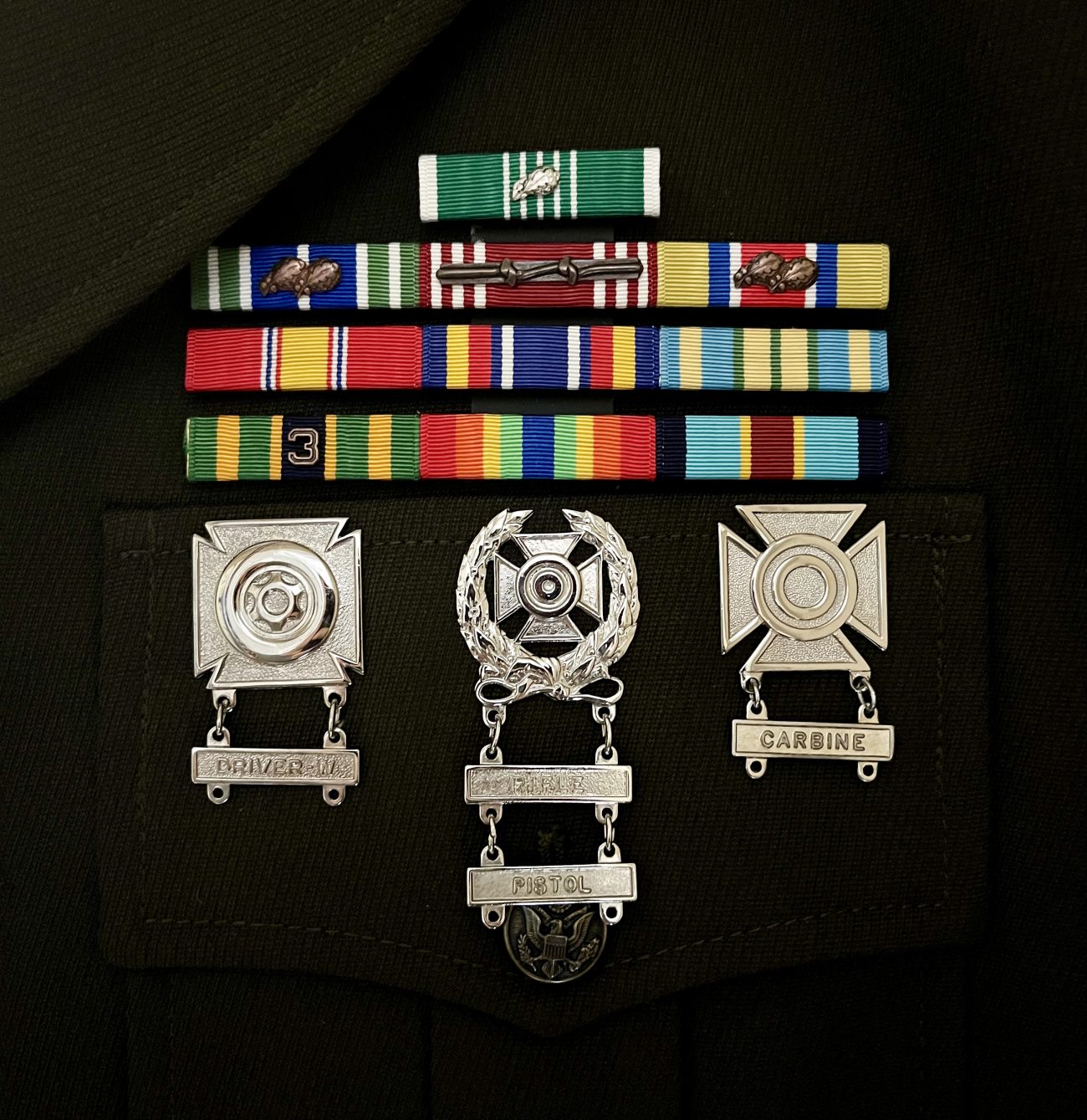
The army driver and mechanic badge stands as one of the most recognizable skill badges in the United States Army, representing a soldier’s dedication to mastering vehicle operations and maintenance. This military special skill badge was first created in July 1942, and continues to recognize soldiers who demonstrate exceptional proficiency in operating and maintaining military vehicles. Whether you’re a soldier pursuing this qualification or simply interested in military awards, understanding the requirements and significance of this badge provides valuable insight into the Army’s commitment to operational excellence.
What Is the Army Driver and Mechanic Badge?
The army driver and mechanic badge is a distinctive recognition awarded to Army personnel who have completed specialized training and demonstrated sustained competence in vehicle operations or mechanical maintenance. The badge is awarded to Army personnel who have received driver or mechanic MOS training and have qualified as an operator of military motor vehicles. This award goes beyond basic qualification, requiring soldiers to maintain accident-free records and consistently perform their duties at a high standard over extended periods.
The badge itself features a distinctive design that has remained relatively unchanged since its inception. It consists of a white metal (silver, nickel and rhodium) cross patee, measuring 1 inch in height and width, with the representation of a disk wheel with a tire placed on the center. This simple yet elegant design immediately identifies the wearer as someone who has achieved mastery in military vehicle operations or maintenance. The badge’s two rings at the bottom allow for the attachment of qualification bars, which specify the exact type of vehicle or equipment the soldier is qualified to operate.
Historical Background of the Driver and Mechanic Badge
Understanding the history of the army driver and mechanic badge provides context for its importance in military culture. The motor vehicle driver and mechanic award was originally authorized by War Department Circular 248 dated July 28, 1942. This timing is significant, as World War II dramatically increased the Army’s reliance on mechanized transportation and armored vehicles. The military needed a way to recognize and incentivize soldiers who developed expertise in operating and maintaining the increasingly complex vehicles that were becoming essential to modern warfare.
During the war years, the badge served as a morale booster and a visible symbol of specialized skill. Soldiers who earned the badge demonstrated they could be trusted with expensive military equipment and that their skills directly contributed to mission success. Over the decades, the badge has adapted to reflect new vehicle technologies while maintaining its core purpose of recognizing vehicular expertise. From the simple trucks and jeeps of the 1940s to today’s sophisticated armored vehicles and specialized equipment, the army driver and mechanic badge has remained relevant by evolving its qualification categories.
Types of Army Driver and Mechanic Badge Qualification Bars
One of the most distinctive features of the army driver and mechanic badge is its modular system of qualification bars. These bars attach beneath the main badge and specify exactly what type of vehicle or equipment the soldier is qualified to operate. Vehicle Qualification Bars include: Operator S Bar (Special mechanical equipment); Mechanic Bar (Automotive or allied vehicles); Driver A Bar (Amphibious vehicles); Driver M Bar (Motorcycles); Driver – T Bar (Tracked vehicles); and Driver – W Bar (Wheeled vehicles). This comprehensive system allows a single badge to communicate multiple qualifications, with soldiers often earning several bars throughout their careers.
Driver-W Bar: Wheeled Vehicles
The Driver-W bar represents qualification for wheeled vehicles, which encompasses the majority of military transportation assets. This includes everything from standard cargo trucks and HMMWVs to larger transport vehicles like the LMTV (Light Medium Tactical Vehicle) and HEMTT (Heavy Expanded Mobility Tactical Truck). Soldiers seeking this qualification must demonstrate proficiency in operating wheeled vehicles across various terrain conditions and weather scenarios.
The Driver and Mechanic Badge for wheeled vehicles requires successful completion of military vehicle operations and maintenance training and be assigned duties and responsibilities as a driver or assistant driver of government vehicles for a minimum of 12 consecutive months. This extended qualification period ensures that soldiers have experienced the full range of operational challenges associated with wheeled vehicle operations.
Driver-T Bar: Tracked Vehicles
The Driver-T bar indicates qualification for tracked vehicles, which represents a significantly different skill set from wheeled vehicle operation. Tracked vehicles include tanks, armored personnel carriers, and other combat vehicles that use continuous track systems instead of wheels. Operating tracked vehicles requires understanding unique mechanical systems, different turning mechanics, and specialized maintenance procedures. The physical demands of operating tracked vehicles are also considerably different, as these vehicles typically navigate more challenging terrain and require greater attention to ground pressure and traction considerations. Soldiers with the Driver-T qualification often work in combat arms units where tracked vehicles form the backbone of operational capability.
Mechanic Bar: Automotive Maintenance Qualification
The Mechanic bar recognizes soldiers who have achieved proficiency in maintaining and repairing military vehicles. Unlike driver qualifications that focus on operation, the Mechanic bar certifies that a soldier possesses the technical knowledge and hands-on skills to diagnose problems, perform repairs, and conduct preventive maintenance on Army vehicles. These soldiers typically hold military occupational specialties in the 91 series (Mechanical Maintenance) and work in battalion maintenance shops or forward support companies. Their expertise ensures that military vehicles remain operational and mission-ready, making them essential to sustained military operations.
Operator-S Bar: Special Mechanical Equipment
The Operator-S bar is awarded to soldiers who operate specialized mechanical equipment that doesn’t fall into traditional vehicle categories. This includes forklifts, cranes, bulldozers, graders, and other materials handling or construction equipment. A soldier or civilian whose primary duty involves operation of Army materials handling or other mechanical equipment must have completed 12 consecutive months or 500 hours of operation, whichever comes later, without accident or written reprimand as the result of his operation, and his operating performance must have been adequate in all respects. This category recognizes that modern military operations depend on much more than just combat vehicles and transport trucks.
Driver-M Bar: Motorcycle Operations
The Driver-M bar qualifies soldiers to operate military motorcycles, which are used for reconnaissance, messenger duties, and military police operations. Motorcycle operations require specialized skills including balance, defensive riding techniques, and the ability to operate in various weather and road conditions. Military motorcycle operators often serve as couriers, security escorts, or reconnaissance assets where the motorcycle’s speed and maneuverability provide operational advantages. This qualification is less common than wheeled or tracked vehicle qualifications but remains relevant for specific military roles.
Driver-A Bar: Amphibious Vehicles
The Driver-A bar represents one of the most specialized qualifications, certifying soldiers to operate amphibious vehicles that can transition between land and water operations. These vehicles require unique operational knowledge, as drivers must understand both vehicle dynamics and basic water navigation principles. Amphibious vehicle operators need to manage ballast systems, monitor water ingress, and navigate both terrain obstacles and water currents. This qualification is primarily relevant for units conducting river crossing operations or operating in coastal or riverine environments.
Requirements for Earning the Army Driver and Mechanic Badge
Earning the army driver and mechanic badge requires more than simply completing a training course. The Army has established comprehensive requirements that ensure only soldiers with sustained, demonstrated proficiency receive this recognition. These requirements vary slightly depending on the specific qualification being pursued, but all emphasize safety, consistency, and professional competence over extended periods.
Basic Eligibility Criteria
All soldiers seeking the army driver and mechanic badge must meet fundamental eligibility requirements before pursuing qualification. Soldiers must qualify for and possess a current OF 346 (U.S. Government Motor Vehicles Operator’s Identification Card), issued as prescribed by AR 600-55, and must occupy a duty position with the title of driver or assistant driver. This ensures that only soldiers whose primary duties involve vehicle operations or maintenance are eligible for the award. Additionally, soldiers must complete appropriate MOS training or specialized courses related to their specific vehicle category. The Army requires this formal training foundation to ensure all badge recipients have received standardized instruction in vehicle operations and maintenance principles.
Time and Mileage Requirements for Drivers
For driver qualifications, the Army establishes specific time and mileage thresholds that soldiers must achieve. The requirement for the badge as a driver is accident-free driving for 12 months or 8,000 miles. This dual requirement ensures that soldiers demonstrate both sustained competence over time and practical experience through accumulated mileage. The 12-month period is particularly significant, as it requires soldiers to operate vehicles through all seasons and varying conditions, demonstrating adaptability and consistent performance. The 8,000-mile threshold ensures that soldiers gain substantial hands-on experience beyond just occasional vehicle operation. Both criteria must be met, and the soldier’s driving record must remain completely free of preventable accidents during this qualification period.
Safety and Performance Standards
Beyond meeting time and mileage requirements, soldiers must maintain impeccable safety records. Soldiers must have no Army motor vehicle accident or traffic violation recorded on their Driver Qualification Record (DA Form 348) during the qualification period. This zero-tolerance approach to accidents and violations reflects the Army’s emphasis on safety and responsible vehicle operation. Even minor traffic violations can disqualify a soldier or reset their qualification timeline. Performance evaluations must also demonstrate adequate proficiency in all aspects of vehicle operation, including pre-operation inspections, safe driving practices, proper vehicle maintenance, and adherence to Army regulations. Supervisors continuously assess driver performance, and any significant deficiencies can result in disqualification from badge eligibility.
Mechanic Qualification Standards
For soldiers pursuing the Mechanic bar qualification, requirements focus on technical proficiency rather than operational hours. Mechanics must pass standards mechanics course, which varies depending on the soldier’s specific MOS and the types of vehicles they maintain. These courses typically cover diagnostic procedures, repair techniques, proper use of technical manuals, and safety protocols for working on military vehicles. Mechanics must demonstrate hands-on proficiency in performing actual repairs, not just theoretical knowledge. Performance evaluations from supervisors must document the mechanic’s ability to diagnose problems accurately, complete repairs efficiently, and ensure vehicles are returned to fully mission-capable status. The qualification period for mechanics typically requires sustained performance over 12 months, similar to driver qualifications.
Authorization and Award Process
Once a soldier meets all qualification requirements, the badge must be officially awarded through proper channels. Any commander at the LTC/O5 or higher can award the driver’s badge. This means that brigade commanders, regimental commanders, separate battalion commanders, and any officer holding the rank of lieutenant colonel or higher has the authority to award the badge. The soldier’s immediate supervisor typically initiates the award process by documenting that all requirements have been met and submitting appropriate paperwork through the chain of command. The awarding commander reviews the documentation, including DA Form 348 driving records, training certificates, and supervisory recommendations before officially authorizing the award.
Importance of the Army Driver and Mechanic Badge in Military Service
The army driver and mechanic badge carries significance that extends beyond its role as a simple decoration. This badge represents a soldier’s commitment to mastering essential military skills that directly impact unit readiness and mission success. In an Army that depends heavily on mechanized mobility, soldiers who excel in vehicle operations and maintenance provide critical capabilities that enable their units to accomplish diverse missions.
Professional Development and Career Advancement
Earning the army driver and mechanic badge contributes positively to a soldier’s professional development and can influence career advancement opportunities. The badge appears on the soldier’s service record and dress uniform, serving as a visible indicator of specialized competence. For soldiers in transportation, maintenance, or logistics career fields, this badge demonstrates commitment to their professional specialty. When competing for promotions, assignments, or leadership positions, soldiers who have earned the badge show that they’ve invested time developing expertise in their field. The qualification process itself builds valuable skills including attention to detail, commitment to safety standards, and the ability to maintain high performance over extended periods—all qualities valued in military leaders.
Unit Operational Readiness
Beyond individual recognition, soldiers who earn the army driver and mechanic badge directly contribute to their unit’s operational readiness. Military operations depend entirely on the ability to move personnel, equipment, and supplies across vast distances and challenging terrain. Qualified drivers ensure that convoys arrive safely and on time, while qualified mechanics keep vehicle fleets operational through proper maintenance and timely repairs. Units with high percentages of badge-qualified soldiers typically demonstrate better vehicle readiness rates, fewer accidents, and more efficient logistics operations. This operational impact makes the badge valuable not just to individual soldiers but to the entire organization.
Building a Culture of Excellence
The standards required to earn the army driver and mechanic badge help establish and reinforce a culture of excellence within transportation and maintenance units. The extended qualification periods, zero-accident requirements, and sustained performance standards set clear expectations for professional behavior. Soldiers working toward badge qualification learn that excellence isn’t achieved through single impressive performances but through consistent, daily commitment to doing things correctly. This mindset transfers to other aspects of military service, as soldiers internalize the value of maintaining high standards even when not directly supervised. Units where senior soldiers display the badge create aspirational goals for junior soldiers, fostering a culture where professional competence is celebrated and pursued.
Wearing the Army Driver and Mechanic Badge on Military Uniforms
Proper wear of the army driver and mechanic badge follows specific regulations outlined in Army uniform guidance. Understanding these regulations ensures soldiers display their earned qualifications correctly and maintain professional appearance standards. The badge’s placement and configuration must align with established protocols, and soldiers can display multiple qualification bars simultaneously if they’ve earned multiple qualifications.
Badge Placement on Service Uniforms
On Army service uniforms, including the Army Green Service Uniform and Army Service Uniform, the army driver and mechanic badge is worn centered on the left breast pocket, below ribbons and above unit awards. If a soldier wears multiple badges, they’re arranged in order of precedence according to Army regulations. The badge must be positioned precisely to maintain uniform appearance standards, typically centered horizontally with equal spacing from other decorations. When worn with qualification bars, the bars extend downward from the badge, suspended by the two rings on the badge’s bottom edge. Soldiers who have earned multiple qualification bars wear them stacked vertically in the prescribed order.
Badge Wear on Combat Uniforms
On the Army Combat Uniform (ACU) and Operational Camouflage Pattern uniform, the army driver and mechanic badge is typically worn in embroidered cloth form rather than the metal version used on service uniforms. The cloth badge attaches to the uniform using hook-and-loop fasteners and is positioned above the U.S. Army tape on the left breast. This subdued version maintains the basic design of the badge but uses colors that match the uniform pattern, ensuring it doesn’t create a signature that could compromise soldier safety in tactical environments. Some units may have specific policies about wearing skill badges on combat uniforms, particularly in deployed environments, so soldiers should consult their unit’s standard operating procedures.
Multiple Qualification Bars Configuration
Soldiers who earn qualifications in multiple vehicle categories can display multiple bars beneath their army driver and mechanic badge simultaneously. The order of bars follows specific precedence, with the highest qualification typically displayed closest to the badge itself. For example, a soldier might display both a Driver-W bar and a Driver-T bar if they’re qualified on both wheeled and tracked vehicles. Some soldiers accumulate multiple bars throughout their careers, creating an impressive display that documents their diverse operational capabilities. However, soldiers should verify current regulations regarding the maximum number of bars that can be displayed simultaneously, as policies may limit the number to maintain uniform appearance standards.
Training Resources and Preparation for Badge Qualification
Soldiers pursuing the army driver and mechanic badge should take advantage of available training resources and preparation opportunities. While much of the qualification occurs through on-the-job performance over the required time period, soldiers can accelerate their readiness by actively seeking out learning opportunities and studying relevant technical materials.
Technical Manuals and Operator Guides
The Army publishes comprehensive technical manuals (TMs) for every vehicle and piece of equipment in its inventory. These manuals contain detailed information about vehicle operation, maintenance procedures, troubleshooting guides, and safety precautions. Soldiers serious about earning the army driver and mechanic badge should study the technical manuals relevant to their assigned vehicles. Understanding the vehicle’s systems, capabilities, and limitations at a deep level improves operational performance and helps soldiers avoid accidents caused by improper operation. For mechanics, technical manuals are essential references that provide step-by-step repair procedures, parts identification, and diagnostic flowcharts. Many units maintain digital libraries of technical manuals, making them easily accessible for self-study during off-duty hours.
Formal Training Courses
The Army offers various formal training courses that support army driver and mechanic badge qualification. Initial Entry Training for relevant military occupational specialties includes vehicle operations or maintenance instruction that establishes the foundation for badge qualification. Additional courses are available through the Army Transportation School, Army Ordnance School, and other institutional training facilities. These courses may cover advanced driver training, specialized vehicle operations, maintenance procedures, or equipment-specific instruction. Soldiers should discuss training opportunities with their chain of command and career counselors to identify courses that align with their badge qualification goals. Completing formal courses not only builds competence but also demonstrates commitment to professional development.
On-the-Job Training and Mentorship
Perhaps the most valuable preparation for earning the army driver and mechanic badge comes from on-the-job training under experienced mentors. Soldiers who already hold the badge can provide practical advice, share lessons learned, and demonstrate proper techniques that might not be captured in formal manuals. Working alongside experienced drivers or mechanics allows aspiring badge recipients to observe how experts handle challenging situations, maintain attention to detail, and consistently perform at high levels.
Soldiers should actively seek out these mentorship relationships, asking questions, volunteering for challenging assignments, and demonstrating their commitment to learning. Senior soldiers generally appreciate junior soldiers who show genuine interest in mastering their craft and are often willing to invest time in developing the next generation of qualified operators.
Common Challenges in Earning the Army Driver and Mechanic Badge
While the army driver and mechanic badge is achievable for dedicated soldiers, the qualification process presents several challenges that can extend timelines or require soldiers to restart their qualification periods. Understanding these common obstacles helps soldiers prepare mentally and develop strategies to overcome them.
Maintaining Zero-Accident Records
The requirement for a completely accident-free record over 12 months or 8,000 miles presents a significant challenge for army driver and mechanic badge candidates. Even highly skilled drivers can encounter situations beyond their control, such as other vehicles’ actions, unexpected road hazards, or equipment failures. However, the Army maintains strict standards because it distinguishes between unavoidable incidents and preventable accidents. Soldiers must develop exceptional situational awareness, practice defensive driving techniques, and never compromise on safety regardless of mission pressures.
One preventable accident at month eleven resets the entire qualification timeline, which can be frustrating but reinforces the importance of consistency. Soldiers should document their driving records regularly, maintain awareness of their current qualification status, and immediately report any incidents to ensure proper investigation and documentation.
Meeting Mileage Requirements in Limited-Use Positions
Some soldiers assigned to driver positions may struggle to accumulate the required 8,000 miles for army driver and mechanic badge qualification, particularly in units with limited operational tempo or soldiers in positions where they serve as alternate rather than primary drivers. Soldiers in this situation should communicate with their supervisors about their qualification goals and request opportunities to participate in additional driving missions. Volunteering for convoy operations, training exercises, or support missions can help accumulate mileage. Some units conduct dedicated driver training events specifically to help soldiers meet qualification requirements. Soldiers should proactively track their accumulated mileage using DA Form 348 and regularly update their records to monitor progress toward the 8,000-mile threshold.
Documentation and Administrative Challenges
Proper documentation is essential for army driver and mechanic badge qualification, but administrative challenges can complicate the process. DA Form 348 driving records must be meticulously maintained, with every trip documented including date, mileage, vehicle identification, and any incidents. Gaps in documentation or incomplete records can prevent qualification even if a soldier has actually met all requirements. Soldiers should take personal responsibility for ensuring their records are current and accurate rather than assuming someone else is tracking this information. When transferring between units or duty positions, soldiers must ensure their driving records transfer with them. Missing documentation from previous assignments can create gaps that make qualification impossible until sufficient new documentation accumulates.
Balancing Multiple Duties with Qualification Requirements
Many soldiers pursuing the army driver and mechanic badge juggle qualification requirements with numerous other military duties and responsibilities. Soldiers may serve in positions where driving is only one of several primary duties, making it challenging to accumulate sufficient mileage or maintain consistent performance focus over 12 months. Deployment cycles, field training exercises, and other operational commitments can interrupt qualification timelines. Soldiers must maintain long-term perspective and persistence, recognizing that badge qualification is a marathon rather than a sprint. Communicating with supervisors about qualification goals helps ensure that soldiers receive appropriate opportunities to maintain progress toward qualification even when other priorities demand attention.
The Army Driver and Mechanic Badge in Different Army Career Fields
The army driver and mechanic badge holds different significance and application across various Army career fields. While the badge is most common in transportation and maintenance specialties, soldiers from diverse backgrounds may earn this recognition depending on their assigned duties and responsibilities.
Transportation Corps Soldiers
For soldiers in the Transportation Corps (88 series MOS), the army driver and mechanic badge represents a fundamental professional qualification. Motor Transport Operators (88M), the largest transportation specialty, routinely work toward and earn this badge as part of their career progression. For these soldiers, the badge isn’t just a decoration but a validation of their core competency. Transportation units often establish internal goals for badge qualification rates, recognizing that high qualification percentages indicate a professional, well-trained workforce. Senior Transportation NCOs typically wear badges with multiple qualification bars, documenting careers spanning various vehicle types and equipment categories. In this career field, not having the badge after several years of service might raise questions about a soldier’s commitment or performance.
Ordnance Corps and Maintenance Specialists
Soldiers in the Ordnance Corps, particularly those in the 91 series maintenance specialties, pursue the Mechanic bar of the army driver and mechanic badge. For Wheeled Vehicle Mechanics (91B), Track Vehicle Mechanics (91A), and other maintenance specialists, earning the Mechanic bar demonstrates mastery of their technical specialty. These soldiers may also pursue driver qualifications if their duties include test-driving repaired vehicles or moving equipment between maintenance facilities and operational units. The badge serves as an indicator of hands-on technical competence, distinguishing soldiers who excel in practical maintenance from those who merely complete formal training. In maintenance units, the badge represents a standard of technical excellence that shapes unit culture and professional expectations.
Combat Arms and Maneuver Units
Soldiers in combat arms branches including Infantry, Armor, and Cavalry often earn the army driver and mechanic badge despite vehicle operation being a secondary rather than primary duty. Tank drivers in Armor units frequently earn the Driver-T qualification, while Infantry soldiers who operate Bradley Fighting Vehicles or Strykers may pursue appropriate qualifications. In these units, the badge represents diversification of skills beyond core combat specialties. Combat arms leaders value soldiers who can perform multiple roles, and driver qualifications increase a soldier’s versatility within their unit. However, in these career fields, the badge typically doesn’t carry the same career significance as marksmanship badges or other combat-related qualifications.
Support and Sustainment Career Fields
Soldiers in various support branches may earn the army driver and mechanic badge depending on their specific duties. Quartermaster soldiers operating forklifts and material handling equipment pursue the Operator-S bar. Military Police riding motorcycles for escort duties earn the Driver-M qualification. Engineer equipment operators working with bulldozers and other heavy equipment may qualify for multiple specializations. In these diverse career fields, the badge represents specialized competence within broader professional specialties. The qualification requirements remain identical regardless of branch, ensuring that all badge recipients meet the same high standards for safety and performance.
Relationship Between the Army Driver and Mechanic Badge and Promotion Points
For enlisted soldiers in rank categories where promotion points determine advancement, the army driver and mechanic badge contributes to the total points calculation. Understanding how the badge affects promotion prospects helps soldiers make informed decisions about pursuing this qualification.
Points Value of Skill Badges
The Army promotion point system awards points for various skills, qualifications, and achievements, with skill badges like the army driver and mechanic badge contributing to a soldier’s total score. The specific point value can change as the Army adjusts its promotion point worksheet, but skill badges typically contribute points in the “Military Training” or “Awards” category.
Soldiers should consult the current Army Regulation 600-8-19 and their career counselor to determine the exact point value for the badge under current regulations. While the points from a single badge may seem modest, they can be decisive in competitive promotion situations where multiple soldiers have similar qualification scores. Every point matters when promotion cutoff scores are high, making badges like the driver and mechanic badge valuable career development tools.
Competitive Advantage in Promotion Boards
Beyond the numerical point value, having the army driver and mechanic badge can provide less tangible advantages during promotion board appearances. Board members often look favorably on soldiers who demonstrate commitment to professional development and mastery of their specialty. The badge visible on a soldier’s uniform during a board appearance signals dedication and competence. When board members review a soldier’s service record and see documentation of badge qualification, it contributes to an overall impression of a well-rounded, professionally committed soldier. This qualitative advantage may not translate directly to points but can influence board members’ evaluations and recommendations in ways that affect promotion outcomes.
Strategic Approach to Skill Badges
Soldiers serious about career advancement should take a strategic approach to earning skill badges including the army driver and mechanic badge. Rather than pursuing badges randomly, soldiers should identify which qualifications align with their career field and current duties, making qualification achievements more attainable. The driver and mechanic badge is particularly valuable because it’s directly related to duties many soldiers already perform, meaning qualification can be achieved through focused attention to existing responsibilities rather than requiring extensive additional training. Soldiers should also maintain awareness of their current promotion point status and identify whether additional skill badges would meaningfully improve their competitive position. Career counselors can help soldiers develop personalized strategies for maximizing promotion points through attainable qualification goals.
Best Practices for Maintaining Army Driver and Mechanic Badge Standards
Earning the army driver and mechanic badge is an achievement, but maintaining the professional standards it represents requires ongoing commitment. Soldiers who wear the badge should continue demonstrating the excellence that earned them the qualification in the first place.
Continuous Safety Consciousness
The zero-accident standard for army driver and mechanic badge qualification should become a permanent mindset rather than just a requirement during the qualification period. Badge holders should maintain heightened safety awareness in all vehicle operations, never becoming complacent or cutting corners even after qualification is complete. This ongoing commitment to safety protects the soldier, their passengers, equipment, and the broader Army mission. Soldiers who later have preventable accidents tarnish the badge’s meaning and may face questions about whether they should continue wearing it. Maintaining impeccable safety records throughout their careers honors the badge’s significance and sets positive examples for junior soldiers working toward their own qualifications.
Staying Current with Vehicle Systems and Regulations
Vehicle technology and Army regulations evolve over time, requiring army driver and mechanic badge holders to stay current with changes affecting their qualifications. New vehicle models introduce different systems and capabilities that qualified drivers must learn. Updates to Army regulations may modify operational procedures or safety requirements. Badge holders should treat professional development as an ongoing process rather than something completed once qualification is achieved. Attending sustainment training, studying technical manual updates, and participating in driver improvement courses help ensure skills remain sharp and current. For mechanics, keeping pace with evolving vehicle technologies is essential for maintaining the technical competence the Mechanic bar represents.
Mentoring the Next Generation
Soldiers who have earned the army driver and mechanic badge carry a responsibility to mentor junior soldiers pursuing the same qualification. Sharing knowledge, demonstrating proper techniques, and providing guidance based on personal experience helps strengthen unit capabilities while honoring the profession. Effective mentors explain not just what to do but why certain practices matter, helping mentees understand the reasoning behind requirements. They create opportunities for junior soldiers to develop skills, provide constructive feedback that improves performance, and celebrate achievements when soldiers successfully complete qualifications. This mentorship cycle ensures that standards remain high across generations of soldiers and that the badge continues representing genuine excellence rather than just completion of minimum requirements.
Comparing the Army Driver and Mechanic Badge with Other Military Service Badges
The army driver and mechanic badge fits within a broader system of military skill badges that recognize specialized competencies across various domains. Understanding how this badge relates to other recognition systems provides context for its place in Army culture.
Skill Badges vs. Qualification Badges
The Army distinguishes between skill badges like the army driver and mechanic badge and qualification badges such as marksmanship badges. Skill badges typically represent sustained proficiency in specialized areas over extended periods, while qualification badges often result from passing specific tests or meeting performance standards during formal evaluations. The driver and mechanic badge’s requirement for 12 months of accident-free performance clearly places it in the skill badge category, as it measures sustained excellence rather than single-event achievement.
Both types of badges contribute to soldier development and unit capability, but skill badges generally require longer-term commitment and ongoing performance rather than periodic requalification through testing. This distinction means that skill badges like the driver and mechanic badge often carry particular significance as indicators of professional dedication.
Branch-Specific vs. Universal Skill Badges
Some military skill badges are universal across branches, while others are specific to particular career fields. The army driver and mechanic badge falls into a middle category—while it’s most common in Transportation and Ordnance Corps specialties, soldiers from any branch can earn it if their duties include appropriate vehicle operations or maintenance responsibilities. This universality distinguishes it from badges like the Explosive Ordnance Disposal badge, which is inherently tied to a specific career specialty.
The driver and mechanic badge’s accessibility across branches makes it a common sight on Army uniforms and a widely understood symbol of competence. Soldiers can transfer between units and assignments while continuing to display the badge, as long as their qualifications remain current and relevant.
Comparative Difficulty and Prestige
Within the Army’s badge system, different qualifications carry varying levels of difficulty and associated prestige. The army driver and mechanic badge occupies a middle tier in terms of difficulty—it’s significantly more challenging than basic qualification badges but doesn’t require the intensive training of special operations badges or aviation wings. The 12-month accident-free requirement makes it challenging enough to be meaningful, but it remains achievable for any dedicated soldier assigned to appropriate duties. This balance makes the badge a realistic goal that motivates professional development without being so difficult that only exceptional soldiers can achieve it. The badge carries respect within transportation and maintenance communities while being one of several professional qualifications soldiers might pursue throughout their careers.
Future of the Army Driver and Mechanic Badge in Modern Warfare
As military technology evolves and warfare becomes increasingly sophisticated, questions arise about the future relevance and form of the army driver and mechanic badge. Understanding trends in military vehicle development and operational concepts provides insight into how this badge might adapt to future challenges.
Impact of Autonomous and Semi-Autonomous Vehicles
The Army is investing heavily in autonomous and semi-autonomous vehicle technologies that could fundamentally change the nature of military vehicle operations. Future convoys might include driverless trucks following lead vehicles, reducing the number of soldiers required for transportation missions. As these technologies mature, the army driver and mechanic badge may evolve to recognize different competencies—perhaps monitoring autonomous systems, managing vehicle networks, or operating advanced control interfaces. However, even with increased automation, the Army will likely continue requiring skilled human operators who can take control during emergencies, operate in degraded conditions where automation fails, or make tactical decisions that exceed automated systems’ capabilities. The badge’s future might emphasize hybrid skills combining traditional driving competence with technological system management.
Electric and Alternative Propulsion Systems
The military’s exploration of electric and alternative propulsion vehicles will introduce new maintenance requirements that affect army driver and mechanic badge qualifications. Mechanics who earned their qualification working on diesel engines will need additional training to service electric drivetrains, battery systems, and hybrid powerplants. The badge’s Mechanic bar qualification standards will likely evolve to address these new technologies, potentially creating specializations within the mechanic qualification category. Drivers of electric vehicles will encounter different operational characteristics including regenerative braking, unique acceleration profiles, and battery range management considerations. These technological changes won’t eliminate the need for the badge but will modify the specific competencies it represents.
Continued Relevance of Fundamental Skills
Despite technological advancement, the fundamental skills represented by the army driver and mechanic badge will remain relevant for the foreseeable future. The Army will continue operating vehicles across diverse environments, requiring skilled operators who can handle challenging conditions. Maintenance expertise will remain essential as vehicles become more sophisticated rather than less. The core principles of safety, attention to detail, and sustained professional performance that underpin badge qualification will continue serving as foundations for military excellence regardless of specific technologies involved. The badge may evolve in its specific requirements and the technologies it encompasses, but its essential purpose of recognizing vehicular expertise will endure.
Resources for Learning More About the Army Driver and Mechanic Badge
Soldiers interested in learning more about the army driver and mechanic badge can access numerous official and unofficial resources that provide detailed information about qualification requirements, wearing instructions, and related topics.
Official Army Regulations and Publications
The primary authoritative source for army driver and mechanic badge information is Army Regulation 600-8-22, which governs military awards. This regulation specifies qualification criteria, awarding authority, and proper wear instructions for the badge. Soldiers can access current versions of AR 600-8-22 through the Army Publishing Directorate website or their unit’s training room. Additional relevant guidance appears in AR 600-55, which addresses The Army Driver and Operator Standardization Program, providing detailed information about driver qualification standards, licensing requirements, and safety protocols. DA Pamphlet 670-1, which supplements AR 670-1 on uniform wear and appearance, includes specific guidance on badge placement and configuration on various uniform types.
Unit Training Rooms and Career Counselors
Local resources provide personalized guidance for soldiers pursuing the army driver and mechanic badge. Unit training rooms maintain copies of relevant regulations, sample award memoranda, and tracking systems for soldiers working toward qualification. Training NCOs can explain unit-specific procedures for documenting qualification progress and initiating award actions. Career counselors provide insights into how the badge fits within broader career development strategies and can help soldiers identify training opportunities that support qualification goals. Motor sergeants and maintenance supervisors offer practical expertise about the qualification process based on their own experiences earning the badge and helping others achieve qualification.
Online Military Forums and Communities
Numerous online communities bring together soldiers who share experiences and advice about earning the army driver and mechanic badge. While unofficial sources should never substitute for official regulations, these communities provide practical perspectives that complement formal guidance. Soldiers share lessons learned from their qualification processes, discuss common challenges, and celebrate achievements. Forums dedicated to specific military occupational specialties often include threads discussing the driver and mechanic badge in the context of particular career fields. When consulting online resources, soldiers should verify information against official regulations before taking action, as informal advice may be outdated or reflect incorrect interpretations of requirements.
Real-World Applications: How the Army Driver and Mechanic Badge Skills Support Military Operations
The skills represented by the army driver and mechanic badge translate directly into operational capabilities that enable mission success across diverse military operations. Understanding these real-world applications demonstrates why the Army invests in recognizing and developing these competencies.
Convoy Operations in Complex Environments
Military convoys moving through hostile or challenging environments depend entirely on skilled drivers who have earned qualifications reflected in the army driver and mechanic badge. These operations require drivers to maintain proper vehicle spacing, navigate unfamiliar routes, respond to changing threat conditions, and make split-second decisions that protect lives and equipment. During operations in Iraq and Afghanistan, convoy drivers faced improvised explosive devices, ambush threats, and extreme weather conditions while maintaining mission timelines. The accident-free performance standards required for badge qualification directly prepare drivers for these high-pressure situations by establishing habits of careful attention and professional excellence. Units with high percentages of badge-qualified drivers demonstrate better safety records during convoy operations and more reliable mission completion rates.
Maintenance Excellence in Forward Operating Locations
The Mechanic bar of the army driver and mechanic badge recognizes skills that are absolutely critical when units operate far from established maintenance facilities. Mechanics working in forward operating locations must diagnose and repair vehicles using limited tools and parts, often under time pressure when mission-critical equipment breaks down. The technical knowledge and hands-on proficiency required for badge qualification prepare mechanics to work independently, troubleshoot complex problems, and improvise solutions when ideal conditions don’t exist. In deployed environments, the difference between a unit that maintains operational tempo and one that becomes deadlined by vehicle breakdowns often comes down to the competence of its mechanics—exactly what the badge represents.
Humanitarian Assistance and Disaster Relief
Military vehicle capabilities support humanitarian operations where the army driver and mechanic badge skills prove invaluable. Following natural disasters, military convoys deliver relief supplies over damaged infrastructure, requiring exceptional driving skills to navigate debris, flooded roads, and unstable surfaces. Equipment operators with Operator-S qualifications use specialized machinery to clear routes, build temporary bridges, and establish distribution points. The sustained professional competence that badge qualification requires ensures these soldiers can perform effectively when civilian populations depend on military support. The same attention to safety that prevents accidents during training protects both military personnel and civilians during relief operations.
Training and Advisory Missions
As the U.S. military increasingly engages in training and advisory roles supporting partner nations, soldiers with army driver and mechanic badge qualifications serve as subject matter experts teaching foreign military personnel. These soldiers demonstrate proper vehicle operation techniques, teach maintenance procedures, and help establish safety cultures within partner nation units. The credibility that comes from wearing the badge, combined with the genuine expertise it represents, enhances instructors’ effectiveness when working with international partners. Badge-qualified soldiers model the professional standards they teach, showing that excellence in vehicle operations and maintenance isn’t just theoretical instruction but practiced competence.
The Army Driver and Mechanic Badge and Family Support
The army driver and mechanic badge has implications that extend beyond the individual soldier to affect military families, particularly in terms of safety and career stability.
Safety Culture Benefits for Military Families
The rigorous safety standards required to earn the army driver and mechanic badge create benefits that extend to soldiers’ families. Soldiers who internalize the defensive driving techniques, situational awareness, and zero-tolerance safety attitudes required for qualification often carry these practices into their personal vehicle operations. This means families benefit from soldiers who are statistically safer drivers both on and off duty. Military families already face numerous concerns about their soldiers’ safety, particularly during deployments and training exercises. Knowing that a soldier has qualified for the driver and mechanic badge and maintains accident-free performance records can provide families some reassurance about their loved one’s professional competence and commitment to safety.
Career Stability and Advancement
For military families, the army driver and mechanic badge represents career development that can lead to greater stability and advancement opportunities. Soldiers who earn the badge often receive favorable assignments, increased responsibilities, and better promotion prospects—all factors that contribute to career longevity and financial stability for military families. The badge signals that a soldier is professionally engaged and committed to excellence, qualities that generally predict successful military careers. For spouses and children, a soldier’s professional achievements including badge qualifications create pride and connection to the military community while contributing to the family’s overall wellbeing through career advancement and the recognition that comes with professional achievement.
Statistical Overview of Army Driver and Mechanic Badge Qualification
Understanding the prevalence and distribution of army driver and mechanic badge qualifications across the Army provides context for individual achievement.
Qualification Rates by Career Field
| Career Field | Approximate Badge Qualification Rate | Most Common Qualification Bar |
|---|---|---|
| Transportation Corps (88 Series) | 65-75% | Driver-W |
| Ordnance Maintenance (91 Series) | 45-55% | Mechanic |
| Armor/Cavalry | 30-40% | Driver-T |
| Infantry | 15-25% | Driver-W |
| Engineer | 35-45% | Operator-S, Driver-W |
| Quartermaster | 40-50% | Driver-W, Operator-S |
Note: These are estimated ranges based on typical qualification patterns and vary significantly by unit and duty position assignment.
The variation in qualification rates reflects the different emphasis placed on vehicle operations across career fields. Transportation units naturally have higher qualification rates because vehicle operations represent primary duties for most soldiers. Combat arms units have lower rates because vehicle operation, while important, competes with numerous other training priorities. These statistics help individual soldiers understand whether their qualification places them among the majority or minority within their branch, providing context for the achievement’s significance.
Timeline Analysis: Average Path to Qualification
Most soldiers who earn the army driver and mechanic badge follow a relatively predictable timeline, though individual experiences vary considerably:
- Months 0-3: Initial assignment to driver/mechanic position, completion of any required additional training, beginning of qualification tracking
- Months 3-8: Accumulation of majority of required mileage or maintenance hours, development of proficiency, first-time experiences with various operational conditions
- Months 8-12: Final mileage/time accumulation, documentation compilation, supervisor evaluations
- Month 12+: Award processing, formal recognition, badge presentation
Soldiers who experience setbacks due to accidents, documentation gaps, or assignment changes often require 18-24 months to complete qualification. Understanding this timeline helps soldiers maintain realistic expectations and avoid discouragement when qualification takes longer than anticipated.
Comparing International Military Vehicle Operation Badges
The army driver and mechanic badge exists within a broader international context of military recognition systems for vehicle operation expertise.
British Army Driver Proficiency Standards
The British Army maintains its own system for recognizing vehicle operation expertise, including various trade badges and qualification levels. British military drivers progress through stages including Basic, Class 3, Class 2, and Class 1 qualifications depending on vehicle complexity and demonstrated proficiency. While the British system uses different terminology and ranking structures, it shares the American system’s emphasis on sustained performance, safety records, and progressive qualification through different vehicle categories. The army driver and mechanic badge represents a similar philosophy of recognizing vehicular expertise through visible uniform badges that communicate qualification levels at a glance.
NATO Partner Recognition Systems
NATO partner nations maintain diverse approaches to recognizing military vehicle operations expertise, with some using qualification badges similar to the army driver and mechanic badge while others incorporate vehicle qualifications into general professional development tracking systems without specific uniform devices. German Bundeswehr drivers, for example, earn various technical qualifications documented in service records but don’t display vehicle-specific badges on standard uniforms. French military vehicle operators receive specialized training recognized through administrative documentation rather than uniform badges. These different approaches reflect varying military cultures and traditions while serving the common purpose of ensuring professional vehicle operation standards across allied forces.
FAQs About the Army Driver and Mechanic Badge
What is the Army Driver and Mechanic Badge?
The army driver and mechanic badge is a military special skill badge awarded to U.S. Army soldiers who demonstrate sustained proficiency in operating or maintaining military vehicles. First established in 1942, the badge consists of a white metal cross patee with a wheel design, and includes qualification bars that specify the type of vehicle or equipment the soldier is qualified to operate.
How long does it take to earn the Army Driver and Mechanic Badge?
To earn the army driver and mechanic badge as a driver, soldiers must complete 12 consecutive months or 8,000 miles of accident-free driving, whichever comes later. Mechanics must demonstrate sustained technical proficiency over a similar 12-month period. Most soldiers complete qualification in 12-18 months, though timelines can extend if accidents occur or documentation gaps arise.
Can you lose your Army Driver and Mechanic Badge?
While the army driver and mechanic badge is a permanent award that remains in a soldier’s official record once earned, soldiers who have subsequent preventable accidents or demonstrate incompetence in vehicle operations may face questions about continuing to wear the badge. Commanders have discretion to address situations where badge holders no longer meet the professional standards the badge represents, though formal revocation procedures are rare.
What vehicles qualify for the Driver-W bar?
The Driver-W bar for wheeled vehicles covers a broad range of military transportation assets including HMMWVs (Humvees), LMTV (Light Medium Tactical Vehicles), HEMTT (Heavy Expanded Mobility Tactical Trucks), cargo trucks, and other wheeled vehicle platforms used throughout the Army. Essentially, any military wheeled vehicle that requires specialized operation and is driven as part of assigned duties can count toward army driver and mechanic badge qualification with the Driver-W bar.
Is the Army Driver and Mechanic Badge worth promotion points?
Yes, the army driver and mechanic badge contributes to promotion point totals for enlisted soldiers in ranks where the promotion point system applies. The specific point value is subject to change as the Army updates promotion regulations, but skill badges consistently provide points in the military training or awards categories of the promotion point worksheet. Soldiers should consult current AR 600-8-19 and their career counselor for exact point values under current regulations.
Can officers earn the Army Driver and Mechanic Badge?
Yes, commissioned officers and warrant officers can earn the army driver and mechanic badge if they meet all qualification requirements including sustained duties as vehicle operators or mechanics. However, the badge is much less common among officers because most officer positions don’t include primary duties as vehicle operators. Transportation and Ordnance officers in certain duty positions may earn the badge if their assignments include appropriate vehicle operation or maintenance responsibilities.
What’s the difference between the Driver and Mechanic Badge and the Driver’s Badge?
These are the same badge with different naming conventions. The official designation is the Driver and Mechanic Badge, though it’s sometimes referred to simply as the Driver’s Badge. The army driver and mechanic badge encompasses both driver qualifications (indicated by bars like Driver-W, Driver-T, Driver-M, Driver-A) and mechanic qualifications (indicated by the Mechanic bar), making the full name more accurate in describing the badge’s scope.
How do you maintain DA Form 348 for badge qualification?
DA Form 348, the Driver Qualification Record, must be meticulously maintained with entries for every trip or duty period. Each entry should include the date, vehicle identification, mileage, purpose of trip, and any incidents or accidents. Supervisors should review and sign the form regularly. For army driver and mechanic badge qualification, this form serves as the official documentation proving accident-free performance over the required period, making accurate recordkeeping essential. Soldiers should request copies of their DA Form 348 before transferring units to ensure continuity of documentation.
Can civilians working for the Army earn the Driver and Mechanic Badge?
Department of the Army civilians who operate military vehicles or maintain military equipment can potentially qualify for recognition related to the army driver and mechanic badge, though regulations vary regarding whether civilians receive the actual badge or alternative forms of recognition. Civilians must meet the same performance standards as soldiers, including sustained accident-free operation and appropriate safety qualifications. Personnel should consult current Army regulations and their civilian personnel office for specific guidance on civilian qualification procedures.
What happens if you have an accident while working toward the badge?
Any preventable accident during the qualification period for the army driver and mechanic badge resets the qualification timeline to zero. Soldiers must begin a new 12-month accident-free period following any incident determined to be preventable. Not all incidents are automatically classified as preventable accidents—investigations determine whether the soldier could have reasonably avoided the incident through different actions. Soldiers involved in incidents should ensure proper investigation occurs and that determinations are accurately documented on DA Form 348.
Taking Action: Steps to Begin Your Army Driver and Mechanic Badge Journey
If you’re motivated to earn the army driver and mechanic badge, taking concrete initial steps will start you on the path toward qualification. This recognition is achievable for any soldier willing to commit to professional excellence over an extended period.
Assess Your Current Eligibility
Begin by determining whether your current duty position includes appropriate vehicle operation or maintenance responsibilities. Review your duty description and speak with your supervisor about whether you’re assigned as a driver, assistant driver, mechanic, or equipment operator. Verify that you hold (or can obtain) the required OF 346 U.S. Government Motor Vehicles Operator’s Identification Card. Check your DA Form 348 to understand your current driving record status and identify any existing accidents or violations that might affect qualification timelines. This initial assessment helps you understand your starting point and what steps are necessary to begin formal qualification tracking.
Communicate Your Goals
Inform your chain of command about your intention to pursue the army driver and mechanic badge. This conversation ensures your supervisors understand your professional development goals and can help create opportunities for you to accumulate required mileage or maintenance hours. Supervisors who know about your qualification goals can assign you to appropriate missions, ensure your documentation is properly maintained, and provide feedback that helps improve your performance. Request that your unit begin (or continue) officially tracking your qualification progress, establishing clear documentation of when your current qualification period began.
Develop a Personal Action Plan
Create a written plan outlining specific steps you’ll take to earn the army driver and mechanic badge. This plan should include timeline goals, identify training or study you’ll complete, specify how you’ll track progress, and note potential obstacles with strategies to overcome them. Set intermediate milestones such as “complete 4,000 miles accident-free” or “achieve 6 consecutive months of rated performance” that help maintain motivation during the extended qualification period. Review this plan monthly with your supervisor or mentor, adjusting as necessary based on operational realities and emerging challenges.
Commit to Excellence
Most importantly, commit to performing your vehicle operation or maintenance duties at the highest possible standard every single day. The army driver and mechanic badge isn’t earned through a single impressive performance but through sustained excellence over many months. Treat every convoy, every maintenance task, and every vehicle inspection as an opportunity to demonstrate the professional competence the badge represents. This mindset shift—from merely completing tasks to consistently pursuing excellence—is what distinguishes soldiers who eventually earn the badge from those who remain perpetually “working toward” qualification.
Ready to begin your journey toward earning the army driver and mechanic badge? Start by speaking with your supervisor today about your qualification goals and ensuring your documentation is current. Whether you’re interested in exploring other military achievements or need equipment for your active lifestyle, check out our guide on the babolat drive max 110 for maintaining peak performance in all areas of your life.
This article about the army driver and mechanic badge is based on current Army regulations and qualification standards. Soldiers should always consult official regulations including AR 600-8-22 and AR 600-55, along with their chain of command, for the most current guidance and unit-specific procedures.
