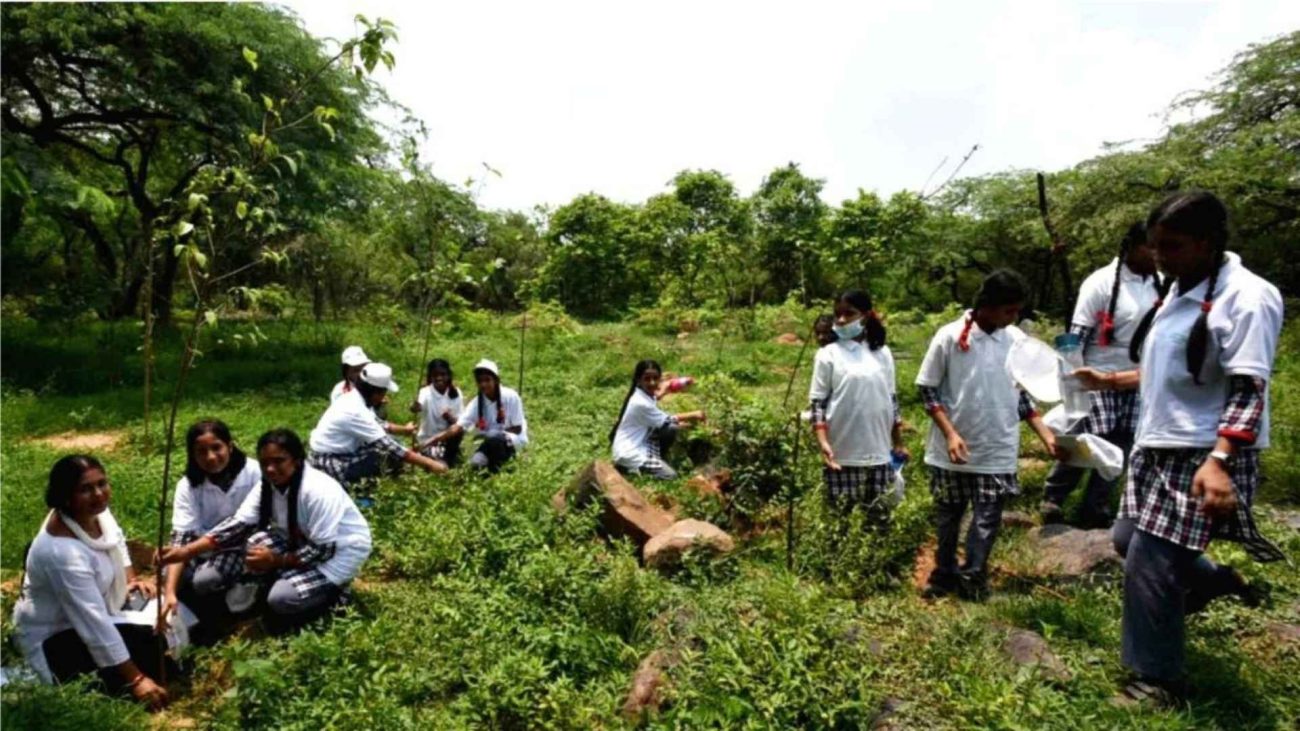
The world is losing 10 million hectares of forest annually, according to recent environmental data. But there’s hope. Community-led plantation drives are emerging as one of the most effective grassroots solutions to combat climate change, improve air quality, and restore local ecosystems. Whether you’re a student, corporate employee, or community leader, understanding how to organize and participate in tree planting initiatives can create lasting environmental impact.
What Is a Plantation Drive and Why Does It Matter?
A plantation drive is an organized effort where groups of people come together to plant trees in a designated area. These initiatives can range from small neighborhood projects planting 50 saplings to massive campaigns involving thousands of volunteers planting hundreds of thousands of trees. The primary goal is to increase green cover, combat deforestation, and create healthier environments for current and future generations.
Plantation drives have become increasingly important as urban areas expand and natural habitats shrink. According to the World Health Organization, air pollution kills approximately 7 million people annually worldwide. Trees act as natural air purifiers, absorbing pollutants and producing oxygen. A single mature tree can provide enough oxygen for two people for an entire year while absorbing up to 48 pounds of carbon dioxide annually.
Beyond environmental benefits, tree plantation campaigns strengthen community bonds. When neighbors work together planting saplings, they create shared experiences and develop collective responsibility for their local environment. Schools organizing plantation drives teach students about environmental stewardship through hands-on learning. Corporate teams use these initiatives for team building while contributing to corporate social responsibility goals.
Planning Your Plantation Drive: Essential First Steps
Successful tree planting initiatives start with thorough planning. The first step involves identifying your objectives. Are you focusing on urban greening, reforestation of degraded land, creating shade in public spaces, or improving biodiversity? Clear goals help determine the scale, location, and tree species for your campaign.
Forming a dedicated planning committee is crucial. Your team should include people with diverse skills including project management, environmental knowledge, community outreach, and logistics coordination. Assign specific roles such as site coordinator, volunteer manager, species selector, and communications lead. Having clearly defined responsibilities prevents confusion and ensures all aspects receive proper attention.
| Planning Phase | Timeline | Key Activities |
|---|---|---|
| Initial Planning | 2-3 months before | Form committee, set objectives, secure funding |
| Site Selection | 6-8 weeks before | Identify locations, get permissions, conduct soil tests |
| Procurement | 4-6 weeks before | Order saplings, arrange tools, organize transportation |
| Promotion | 3-4 weeks before | Recruit volunteers, media outreach, create materials |
| Final Preparation | 1 week before | Confirm numbers, brief volunteers, prepare site |
Budget planning requires careful consideration. Calculate costs for saplings, tools like shovels and watering cans, transportation, refreshments for volunteers, promotional materials, and post-plantation maintenance. Many plantation drives secure sponsorships from local businesses, environmental organizations, or government programs. Grant applications to environmental foundations can provide significant funding for larger initiatives.
Choosing the Right Location for Tree Planting
Location selection can make or break your plantation drive. The ideal site has adequate space, appropriate soil conditions, water availability, and legal permissions for planting. Common locations include public parks, school campuses, roadside areas, degraded forest lands, riverbanks, and community gardens. Urban plantation drives often focus on vacant lots or areas with minimal green cover.
Before finalizing any location, conduct a thorough site assessment. Test soil quality to ensure it supports tree growth. Poor soil may require amendments like compost or organic matter. Check water availability since newly planted saplings need regular watering for at least the first two years. Evaluate sunlight exposure as different tree species have varying light requirements. Also consider accessibility for volunteers and future maintenance teams.
Securing necessary permissions is non-negotiable. For public land, contact local municipal authorities or forest departments. Private land requires written consent from property owners. Some areas may have restrictions on tree species or planting methods due to environmental regulations. Starting this process early prevents last-minute complications that could derail your entire campaign.
Case Study: Mumbai’s Massive Urban Forest Project
In 2016, a coalition of NGOs and local government launched a plantation drive in Mumbai’s suburban areas. They identified 12 degraded plots totaling 50 acres. After soil testing and species selection, they mobilized 5,000 volunteers who planted 100,000 native saplings over three weekends. Five years later, these areas have transformed into thriving urban forests with 78% sapling survival rate, demonstrating the power of well-planned location selection.
Selecting the Right Tree Species for Maximum Impact
Choosing appropriate tree species is critical for plantation drive success. Native species should be your priority because they’re adapted to local climate conditions, require less maintenance, support local wildlife, and resist diseases better than exotic varieties. Native trees also help restore original ecosystems and preserve biodiversity.
Consider the purpose of your plantation campaign when selecting species. If your goal is air purification, choose trees known for absorbing pollutants like neem, peepal, or banyan. For quick shade, fast-growing species like eucalyptus or bamboo work well, though some environmental experts caution against eucalyptus due to its water consumption. Fruit-bearing trees like mango, guava, or jamun provide food sources for communities and wildlife while offering environmental benefits.
Top Native Trees for Different Regions:
- Tropical Regions: Mango, Neem, Banyan, Peepal, Tamarind, Jackfruit
- Temperate Regions: Oak, Maple, Pine, Deodar, Chestnut, Walnut
- Arid Regions: Acacia, Prosopis, Khejri, Date Palm, Babul
- Coastal Areas: Coconut, Casuarina, Mangrove species, Sea Almond
Avoid monoculture planting where only one species is planted. Diverse plantations create more resilient ecosystems, support varied wildlife, and reduce disease spread risk. Mix canopy trees with understory species and include shrubs to create layered vegetation. This approach mimics natural forests and provides better ecological outcomes.
Size and age of saplings matter significantly. Young saplings 1-2 feet tall with healthy root systems establish better than larger trees. Check that saplings have no pest damage, diseases, or root deformities. Purchase from reputable nurseries that provide species guarantees and care instructions. Some plantation drives even involve growing saplings in community nurseries months before the planting event.
Mobilizing Volunteers and Building Community Support
A plantation drive’s success depends heavily on volunteer participation. Start recruitment at least 4-6 weeks before your event. Leverage multiple channels including social media campaigns, local newspapers, community bulletin boards, and direct outreach to schools, colleges, and corporate offices. Create compelling messaging that emphasizes the environmental impact and community benefits of participation.
Social media platforms offer powerful tools for volunteer recruitment. Create a dedicated event page on Facebook with regular updates, photos from planning activities, and species information. Use Instagram to share visual content showing site preparations and expected outcomes. Twitter helps reach environmental activists and organizations. Use hashtags like #PlantationDrive, #TreePlanting, #GreenCommunity to increase visibility.
Partner with established organizations to expand your reach. Environmental NGOs, local Rotary or Lions clubs, religious institutions, and resident welfare associations have existing networks of engaged members. Schools and colleges often encourage students to participate in community service activities. Corporate CSR departments seek volunteering opportunities for employees. These partnerships bring both volunteers and often additional resources or funding.
Volunteer Engagement Strategy:
- Send detailed pre-event communication explaining what to wear, what to bring, and what to expect
- Create teams with leaders responsible for specific sections of the planting area
- Provide clear instructions and demonstrations on proper planting techniques
- Recognize participation with certificates, social media shout-outs, or small tokens of appreciation
- Follow up post-event with impact reports showing how their efforts made a difference
Make participation accessible and inclusive. Offer multiple shift times to accommodate different schedules. Ensure the site has basic amenities like shade, drinking water, and restroom facilities. Provide tools so volunteers don’t need to bring their own. Consider transportation arrangements for volunteers without personal vehicles. These considerations remove barriers and encourage broader participation.
Proper Tree Planting Techniques for Long-term Success
Correct planting technique dramatically improves sapling survival rates. Poor planting is a primary reason many plantation drives fail to achieve long-term impact. Training volunteers on proper methods ensures your efforts translate into thriving trees rather than wasted resources.
The planting process begins with digging appropriate holes. Pits should be roughly twice the width of the root ball and equally deep. This gives roots room to spread and establish. For most saplings, a hole measuring 1.5 feet in diameter and 1.5 feet deep works well. Dig pits at least 3-4 days before planting to allow soil aeration. Some experts recommend filling holes with water and letting it drain to test drainage and provide initial moisture.
Step-by-Step Planting Process:
- Remove the sapling carefully from its container without damaging roots
- Place it in the center of the hole ensuring the root collar sits at ground level
- Backfill with soil mixed with organic compost or manure in 70:30 ratio
- Press soil gently around the base to eliminate air pockets while avoiding compaction
- Create a water basin by forming a raised ring of soil around the sapling
- Water thoroughly giving at least 10-15 liters initially to settle soil and hydrate roots
- Add mulch layer of dry leaves or organic material around the base to retain moisture
- Install support stake if planting in windy areas or for taller saplings
Spacing between trees is crucial for healthy growth. Trees planted too close compete for nutrients, water, and sunlight, resulting in weak growth. General spacing guidelines suggest 10-20 feet between trees depending on species and expected mature size. Large canopy trees like banyan need 25-30 feet spacing while smaller species can be closer.
Common planting mistakes to avoid include planting too deep which suffocates roots, leaving root-bound roots tangled which restricts growth, and failing to water adequately during establishment. Many first-time volunteers also forget to remove the plastic bag or container completely. Even biodegradable containers should be removed or torn to allow root expansion.
Post-Plantation Maintenance: The Critical Follow-Through
The real work begins after the plantation drive ends. Without proper maintenance, sapling survival rates drop dramatically. Research shows that tree planting initiatives with structured maintenance plans achieve 70-80% survival rates compared to just 20-30% for those without follow-up care.
Watering is the most critical maintenance activity, especially during the first two years. New saplings need regular watering particularly during hot summer months. Establish a watering schedule based on climate and species requirements. Generally, saplings need watering 2-3 times weekly during summer and once weekly during cooler months. As trees mature and roots deepen, watering frequency can decrease.
Create a maintenance team responsible for ongoing care. This can include volunteers from the original plantation drive who commit to regular site visits, hired workers funded through the project budget, or community members who adopt specific trees. Some successful campaigns assign “tree guardians” where individuals or families take responsibility for several saplings near their homes.
Essential Maintenance Activities:
- Regular watering: Following climate-appropriate schedules for at least 2-3 years
- Weed removal: Preventing competing vegetation from stealing nutrients and moisture
- Pest monitoring: Checking for insect damage or disease and taking corrective action
- Mulching: Replenishing organic mulch to maintain moisture and suppress weeds
- Stake checking: Ensuring support stakes remain secure but don’t damage growing trunks
- Protection: Installing guards to prevent animal damage or human interference
Monitor sapling health through regular inspections. Look for signs of stress like yellowing leaves, wilting, or stunted growth. Early detection of problems allows timely intervention. Keep records of planted saplings including species, location, and planting date. Document survival rates and growth through photos and measurements. This data helps improve future plantation drives and demonstrates impact to stakeholders.
Fencing or tree guards protect vulnerable saplings from grazing animals, accidental damage, and vandalism. In urban areas, simple bamboo or metal guards suffice. Rural or forest areas may need more robust fencing. Some campaigns paint tree trunks with a mixture of lime and water which deters insects while marking trees for easy identification.
Measuring Impact and Celebrating Success
Tracking and communicating your plantation drive’s impact motivates continued engagement. Establish clear metrics before your campaign begins. Basic measurements include number of saplings planted, volunteer participation, area covered, and species diversity. More advanced metrics might track survival rates over time, carbon sequestration estimates, or improvements in local air quality.
Technology makes impact tracking easier than ever. GPS mapping apps help record exact planting locations. Photography documented at planting and subsequent monitoring visits visually demonstrates growth. Some organizations use drone imagery for large plantation areas. Mobile apps designed for tree tracking allow volunteers to update information about their adopted trees and receive care reminders.
“We planted 2,000 saplings in our first plantation drive. After implementing a digital tracking system and structured maintenance program, our three-year survival rate reached 82%. The data convinced more sponsors to support our subsequent campaigns.” – Rajesh Kumar, Environmental NGO Director
Share success stories widely through multiple channels. Create before-and-after photo compilations showing transformation of planted areas. Develop infographics highlighting key statistics like total saplings planted, estimated oxygen production, and carbon dioxide absorbed. Post volunteer testimonials and photos on social media. Send detailed reports to sponsors and partners acknowledging their contributions and demonstrating return on investment.
Celebrate milestones with your community. Organize one-year anniversary events at plantation sites where volunteers can see how saplings have grown. Host recognition ceremonies honoring top contributors, dedicated volunteers, and supportive sponsors. These celebrations reinforce positive associations with environmental action and encourage continued participation.
Common Challenges and Solutions in Tree Planting Campaigns
Every plantation drive faces obstacles that test organizer resilience. Learning from common challenges helps you prepare better and increase success likelihood. Many first-time organizers underestimate the coordination required or overestimate volunteer commitment beyond the initial planting day.
Funding shortages frequently limit plantation drive scale. Combat this by diversifying funding sources rather than relying on single sponsors. Crowdfunding campaigns engage broader communities while raising money. Apply for multiple grants simultaneously. Seek in-kind donations of tools, transportation, or refreshments to reduce cash requirements. Some campaigns generate income through sapling sales or environmental education workshops that fund future planting activities.
Low sapling survival rates demoralize volunteers and waste resources. This usually stems from poor species selection, inadequate site preparation, or insufficient maintenance. Solutions include partnering with forestry experts for species recommendations, investing more time in soil preparation and site assessment, and establishing realistic maintenance plans before planting day. Some successful initiatives limit initial scale to ensure they can maintain planted saplings rather than planting massive numbers without follow-through.
Solutions to Common Plantation Drive Challenges:
| Challenge | Solution |
|---|---|
| Volunteer dropout after initial event | Create tree adoption programs with ongoing engagement opportunities |
| Inadequate water supply | Install drip irrigation systems or organize community water sharing schedules |
| Animal or cattle damage | Use protective tree guards and work with livestock owners |
| Land permission complications | Start small on clearly authorized land, expand as you build credibility |
| Lack of technical knowledge | Partner with agricultural universities or forest departments for guidance |
Weather unpredictability can derail carefully planned events. Heavy rain makes sites muddy and unsafe while extreme heat endangers volunteers. Build flexibility into your schedule with backup dates. Monitor weather forecasts closely in the week before your event. Some organizers plan plantation drives during monsoon season when moisture levels naturally support sapling establishment, though this requires managing mud and heavier rainfall.
Corporate and School Plantation Drive Programs
Educational institutions and businesses are increasingly organizing tree planting initiatives. School plantation drives teach environmental responsibility while providing hands-on learning experiences. Students learn about ecosystem services, climate change, and biodiversity through direct participation. Many schools integrate plantation activities into science or environmental studies curricula.
School-based programs work best when they involve students beyond the planting day. Students can grow saplings in school nurseries, monitor planted trees as ongoing projects, and create awareness campaigns within their communities. Some schools assign different grades responsibility for specific planted areas, creating healthy competition for best maintenance and survival rates. Teachers can develop lesson plans connecting tree planting to multiple subjects including science, mathematics through growth measurements, and even creative writing about environmental themes.
Corporate plantation drives serve both environmental and organizational goals. Companies fulfill CSR commitments while providing team-building opportunities for employees. Many corporations organize annual planting events as part of sustainability initiatives. Some integrate tree planting into new employee orientations, creating immediate connection to company environmental values.
Creating Effective Corporate Programs:
- Align planting initiatives with company sustainability goals and report them in CSR documentation
- Allow employees to volunteer during work hours to encourage maximum participation
- Create internal competitions between departments for planting and maintenance achievements
- Partner with environmental organizations that provide technical expertise and site coordination
- Connect programs to business operations, like planting native species that benefit local supply chains
Technology companies are particularly active in plantation drives, perhaps recognizing the irony of their virtual products needing real-world environmental solutions. Financial services firms use tree planting to offset carbon footprints from business travel. Manufacturing companies focus on planting near facilities to improve local air quality. These sector-specific approaches create authentic connections between business operations and environmental action.
Legal and Regulatory Considerations for Plantation Campaigns
Understanding relevant regulations prevents legal complications in tree planting initiatives. Different countries, states, and municipalities have varying rules about where, what, and how trees can be planted. In India, for example, the Forest Conservation Act and state-specific tree protection laws govern plantation activities. Urban areas typically have municipal regulations about street tree planting.
Obtain necessary permissions in writing before proceeding. For government land, submit formal proposals to relevant departments like municipal corporations, forest departments, or public works departments. Include details about number and species of saplings, planting methodology, maintenance plans, and organizational credentials. Permission processes can take weeks or months, so start early.
Private land requires landowner consent documented through signed agreements. Some plantation drives face challenges when land ownership is unclear or disputed. Avoid such properties as legal complications can invalidate all your efforts. If planting on community land managed by residents associations, secure approval from association leadership with supporting resolutions from member meetings.
Key Legal Documents to Prepare:
- Official permission letters from land authorities with clear terms and conditions
- MOU agreements detailing responsibilities of all parties including maintenance commitments
- Liability waivers for volunteers participating in planting activities
- Insurance coverage for volunteers in case of accidents during the event
- Environmental clearances if planting in ecologically sensitive zones
Some regions prohibit certain tree species due to invasive characteristics or negative environmental impacts. Research local regulations about permitted species. Conversely, some areas mandate minimum percentages of native species in plantation projects. Consulting with local forest or agriculture departments ensures compliance while accessing valuable expert guidance.
If you’re interested in learning about different tools and equipment, check out this review on sf 1 driver reviews which covers various outdoor and gardening equipment.
Funding and Sponsorship Strategies for Tree Planting
Financial resources determine plantation drive scale and sustainability. Developing diverse funding strategies reduces dependency on single sources and increases campaign resilience. Successful organizers pursue parallel funding tracks rather than waiting for one large sponsor to materialize.
Government grants offer substantial funding for environmental initiatives. Many countries have dedicated environmental funds or forestry department budgets for community plantation programs. India’s CAMPA funds, for instance, support compensatory plantation activities. Application processes are often competitive and bureaucratic but worthwhile for larger campaigns. Environmental ministries frequently announce grant programs around events like World Environment Day.
Corporate sponsorship provides another significant funding avenue. Approach companies with strong sustainability commitments or local operations near proposed plantation sites. Develop professional proposals highlighting benefits including brand visibility, employee engagement opportunities, environmental impact metrics, and CSR reporting material. Tiered sponsorship packages accommodate different budget levels from title sponsors funding major portions to supporting sponsors contributing smaller amounts.
Innovative Funding Approaches:
- Crowdfunding campaigns on platforms like Ketto or Milaap engage community members with small contributions
- Tree adoption programs where individuals sponsor specific saplings with naming rights or certificates
- Environmental education workshops generate income while spreading awareness
- Partnership with nurseries who provide saplings at reduced cost in exchange for promotion
- Fundraising events like eco-marathons or green festivals with proceeds supporting plantations
Foundation grants from environmental trusts and philanthropic organizations support focused initiatives. Research foundations aligned with your objectives whether urban greening, biodiversity conservation, or climate action. Foundations often prefer detailed proposals with clear metrics, timelines, and measurable outcomes. Building relationships with program officers improves application success rates.
In-kind contributions reduce cash requirements significantly. Hardware stores might donate tools, transport companies provide free vehicle use, restaurants sponsor volunteer refreshments, and printing companies donate promotional materials. These contributions expand campaign capacity while building business relationships and community support.
Leveraging Technology and Social Media for Plantation Success
Digital tools dramatically enhance plantation drive organization and impact. Social media platforms aren’t just marketing channels but essential project management and engagement tools. Create dedicated accounts or pages for your initiative providing centralized communication hubs for volunteers, sponsors, and supporters.
Facebook Events work excellently for volunteer recruitment and coordination. Features like attendance tracking, photo sharing, and discussion threads facilitate community building. Regular updates maintain engagement during planning phases. Post countdowns, volunteer spotlights, species information, and behind-the-scenes preparation photos. Live streaming planting day activities extends participation to those who cannot attend physically.
Instagram’s visual nature showcases plantation drive beauty and impact. Before-and-after images powerfully demonstrate transformation. Time-lapse videos of sapling growth engage audiences. Stories and Reels reach younger demographics increasingly concerned about environmental issues. Use relevant hashtags to connect with broader environmental communities and increase visibility beyond immediate networks.
Essential Digital Tools for Organizers:
- Google Forms: Volunteer registration, feedback collection, and tree adoption sign-ups
- WhatsApp Groups: Real-time coordination during events and ongoing maintenance communication
- Google Maps: Site location sharing and navigation for volunteers
- Project management apps: Task assignments, deadline tracking, and team collaboration
- Photo documentation apps: Organized image collection from multiple volunteers
- Tree tracking platforms: Digital records of planted saplings with GPS coordinates
Email marketing maintains engagement between events. Send newsletters updating subscribers on sapling progress, upcoming maintenance activities, and future planting plans. Include educational content about tree species, environmental benefits, and volunteer spotlights. Regular communication keeps your initiative top-of-mind and encourages continued involvement.
Online payment gateways simplify donation collection for crowdfunding efforts. Transparent financial reporting through digital dashboards builds trust with contributors. Some campaigns create websites serving as comprehensive information hubs with event details, educational resources, impact statistics, and volunteer testimonials.
Environmental and Climate Impact of Plantation Drives
Tree planting initiatives deliver measurable environmental benefits when executed properly. Understanding these impacts helps communicate value to stakeholders and motivates participation. However, it’s important to present realistic rather than exaggerated benefits to maintain credibility.
Carbon sequestration is the most widely cited benefit. Trees absorb carbon dioxide during photosynthesis, storing carbon in biomass while releasing oxygen. A mature tree absorbs approximately 48 pounds of CO2 annually. Over its lifetime, a single tree might sequester one ton of carbon dioxide. However, these figures vary significantly by species, growth rates, and environmental conditions. Young saplings require several years before contributing substantially to carbon capture.
Air quality improvements provide immediate local benefits. Trees filter particulate matter, absorb nitrogen dioxide and sulfur dioxide, and reduce ground-level ozone. Urban areas with higher tree density show measurably better air quality. A study in New York City found trees removed 2,000 metric tons of air pollution annually, providing health benefits valued at $250 million. These benefits particularly matter in polluted cities where respiratory diseases burden populations.
Documented Environmental Benefits:
- Temperature regulation: Urban trees reduce local temperatures by 2-8°F through shade and evapotranspiration
- Stormwater management: Tree canopies intercept rainfall while roots increase soil water absorption reducing flooding
- Soil erosion prevention: Root systems stabilize soil particularly on slopes and riverbanks
- Biodiversity support: Trees provide habitat for birds, insects, and animals creating ecological networks
- Noise reduction: Dense tree plantings buffer sound pollution along highways and urban corridors
Water conservation seems counterintuitive since trees consume water, but forest ecosystems actually improve water cycles. Trees increase groundwater recharge through root channels while reducing surface runoff. Watershed plantation drives help maintain water table levels and improve water quality by filtering pollutants. Riparian plantings along rivers prevent bank erosion while cooling water temperatures benefiting aquatic life.
Mental health and wellbeing improvements, while less quantifiable, represent real benefits. Research consistently shows green spaces reduce stress, improve mood, and encourage physical activity. Communities with tree-lined streets report higher resident satisfaction. School plantation drives provide children nature connections increasingly rare in urban childhoods.
However, poorly planned initiatives can create problems. Wrong species selection leads to water stress in arid regions. Non-native species sometimes become invasive displacing local flora and fauna. Monoculture plantations lack biodiversity benefits of mixed forests. These considerations emphasize why proper planning and species selection matter beyond just planting numbers.
Building Long-term Sustainability in Tree Planting Programs
Successful plantation drives evolve into sustained environmental movements rather than one-time events. Building institutional capacity and community ownership ensures ongoing impact. Many initiatives fail within 2-3 years when initial enthusiasm fades or founding organizers move on.
Creating formal organizational structures helps institutionalize efforts. Register as an NGO or trust if conducting large-scale campaigns. This enables legal fundraising, opens access to grants, and provides continuity beyond individual members. Even smaller initiatives benefit from basic structures like steering committees with defined roles and succession plans.
Develop partnerships with permanent institutions that outlast individual campaigns. Forest departments provide technical expertise and sometimes nursery support. Agricultural universities offer research collaboration and student volunteers. Local governments can integrate community plantation drives into municipal greening plans. These partnerships provide resources, legitimacy, and sustainability.
Sustainability Best Practices:
- Document all processes, learnings, and contacts in accessible formats for future organizers
- Train community members in tree care so maintenance doesn’t depend on experts
- Generate some income through saplings sales or workshops to fund ongoing operations
- Build relationships with local media for regular coverage maintaining public awareness
- Create annual events that become community traditions people expect and support
- Involve youth extensively as they represent long-term continuity and future leadership
Some campaigns create economic incentives for maintenance. Fruit tree plantations generate produce that communities can sell, creating financial motivation for care. Agroforestry models integrate timber or non-timber forest products providing livelihoods while greening landscapes. These models work particularly well in rural areas where environmental and economic goals align naturally.
Monitoring and evaluation systems demonstrate ongoing impact while identifying improvement areas. Regular survival counts show which approaches work best. Growth measurements track development over time. Biodiversity surveys document increased wildlife in planted areas. This data informs adaptive management, improves future campaigns, and provides accountability to funders and volunteers.
Take Action: Join the Green Movement Today
The climate crisis demands action from every community, and plantation drives offer accessible entry points for environmental engagement. You don’t need to be an environmental expert or have massive resources to make meaningful impact. Start small with 50 trees in your neighborhood park and grow from there.
Connect with existing environmental organizations in your area to learn from their experience and access established networks. Many groups welcome new volunteers and provide training for those interested in organizing their own campaigns. If no suitable organizations exist locally, consider starting your own initiative bringing together friends, neighbors, or colleagues who share environmental concerns.
The best time to plant a tree was 20 years ago; the second-best time is now. Every sapling planted today will grow into a mature tree providing decades of environmental benefits. Your plantation drive might inspire others to take similar action, creating ripple effects far beyond your immediate efforts. Future generations will benefit from the green cover you establish today.
Ready to organize your first plantation drive? Start by identifying a small suitable site, researching appropriate native species, and recruiting 10-15 committed volunteers. Set a realistic goal of 25-50 saplings for your first effort. Focus on ensuring high survival rates through proper planning and maintenance rather than maximizing numbers. Success with a small campaign builds confidence, experience, and community support for larger future initiatives.
Connect with us to learn more about effective tree planting strategies and join a growing community of environmental activists transforming landscapes one sapling at a time. Together, we can create greener, healthier communities for all.
Frequently Asked Questions About Plantation Drives
What is the best season for conducting a plantation drive?
The monsoon season is ideal for most regions because natural rainfall provides consistent moisture that newly planted saplings need for establishment. In tropical areas, plant during early monsoon (June-August). Temperate regions should plan for early spring (March-April) or fall (September-October) when temperatures are moderate. Avoid summer heat and winter frost periods which stress young trees.
How many trees should we plant in our first plantation drive?
Start with 25-50 saplings for your first campaign to ensure quality over quantity. This manageable number allows proper attention to planting technique and realistic maintenance planning. Success with smaller numbers builds confidence and demonstrates capability to funders for larger future initiatives. Many failed plantation drives attempted too many trees without adequate resources for proper care.
What is the survival rate we should expect from planted saplings?
Well-planned campaigns with proper maintenance typically achieve 70-80% survival rates after three years. Without structured follow-up care, survival rates often drop to 20-30%. Factors affecting survival include species selection, site conditions, planting technique quality, water availability, and protection from damage. Setting realistic survival targets and planning accordingly ensures meaningful long-term impact.
How much does it cost to organize a plantation drive?
Costs vary widely based on scale and location, but budget approximately ₹50-150 ($0.60-$1.80) per sapling for a typical community campaign. This includes saplings, tools, transportation, volunteer refreshments, promotional materials, and initial maintenance supplies. A 100-sapling initiative might require ₹5,000-15,000 ($60-180) total investment. Larger campaigns benefit from economies of scale while corporate-sponsored events often have higher per-sapling costs due to additional logistics.
Do we need permission to plant trees on public land?
Yes, written permission from relevant authorities is essential before planting on any public land. Contact municipal corporations for urban areas, forest departments for forest lands, or public works departments for roadside plantations. Submit formal proposals including planting details and maintenance plans. Permission processes take several weeks so start early. Planting without authorization can result in sapling removal or legal complications.
What native tree species work best for urban plantation drives?
Choose native species adapted to your specific region’s climate. In India, excellent urban natives include Neem, Peepal, Banyan, Tamarind, and Jamun trees. These species thrive in urban conditions, support local biodiversity, require minimal maintenance once established, and provide cultural significance. Consult local forest departments or botanical gardens for detailed native species lists specific to your area. Avoid fast-growing exotics like eucalyptus that can harm local ecosystems.
How long do we need to maintain planted saplings?
Intensive maintenance is critical for the first 2-3 years until trees establish deep root systems. This includes regular watering, weed removal, pest monitoring, and protection from damage. After establishment, mature trees become largely self-sustaining though periodic monitoring remains beneficial. Many plantation drives fail because organizers underestimate this long-term commitment. Plan maintenance resources before planting day.
Can plantation drives really make a difference to climate change?
While individual campaigns cannot solve global climate change alone, collective tree planting efforts contribute meaningfully to mitigation strategies. Trees sequester carbon, improve local air quality, reduce urban heat islands, and create climate-resilient landscapes. More importantly, plantation drives raise environmental awareness and demonstrate community climate action. Combined with emissions reductions, reforestation helps address the climate crisis through natural climate solutions.
