If you’re a Mini John Cooper Works owner or enthusiast looking to understand your car’s performance characteristics, the mini jcw final drive gear ratio is one of the most critical specs you should know. This component plays a massive role in how your Mini accelerates, handles highway cruising, and delivers that signature go-kart feel we all love.
What Is the Mini JCW Final Drive Gear Ratio?
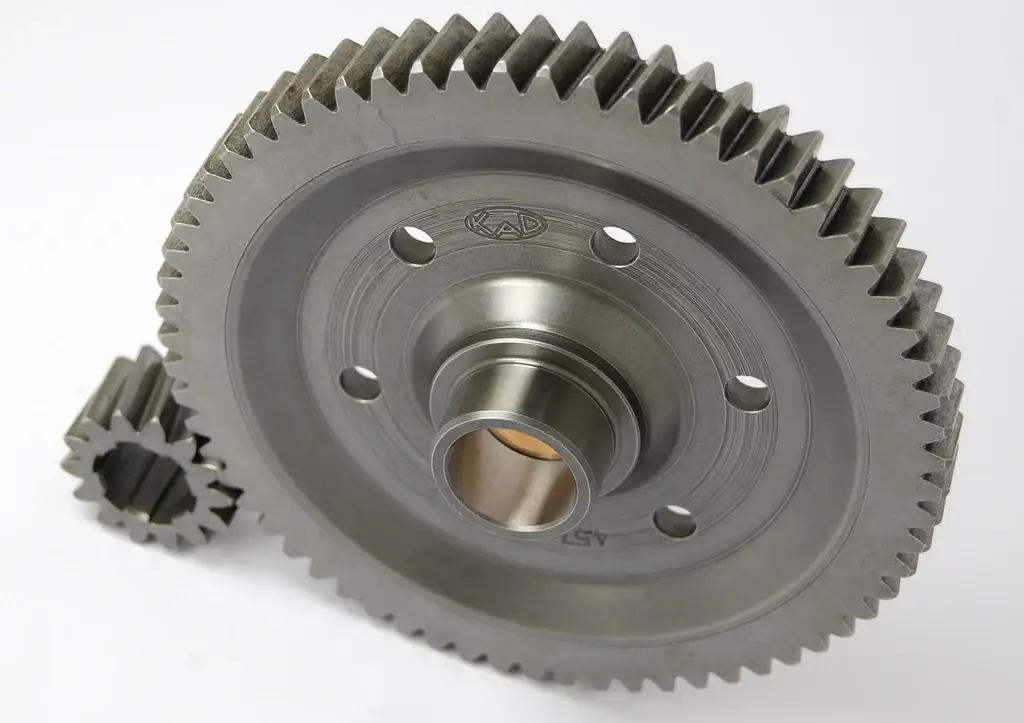
The final drive gear ratio represents the last gear reduction between your engine and the wheels. Think of it as the multiplier that determines how many times your engine turns for every rotation of your wheels. For the R56 generation Mini JCW with manual transmission, the final drive ratio is 3.65:1, while newer generations feature different specifications optimized for their powertrains.
Your Mini’s final drive works alongside the individual gear ratios to create what’s called the “total ratio” – this is what actually matters for performance. A lower numerical ratio (like 2.95:1) means higher top speed but slower acceleration. A higher ratio (like 3.824:1) gives quicker acceleration but higher engine RPM at cruising speeds.
Mini JCW Final Drive Specifications Across Generations
Different Mini JCW generations use various mini jcw final drive gear ratio configurations, each tuned for specific performance goals:
R56 Generation (2007-2015)
The R56 JCW with the 6-speed Getrag manual transmission features a 3.65:1 final drive ratio. This setup was paired with gear ratios of 3.308, 2.130, 1.483, 1.139, 0.949, and 0.816 for gears one through six respectively.
F56 Generation (2015-2023)
The F56 generation introduced some confusion among owners. According to official specifications, the F56 JCW manual should have a 3.824:1 final drive, significantly different from the Cooper S’s 3.588:1 ratio. However, some owners discovered their actual ratios didn’t match the advertised specs – a fascinating mystery in the Mini community.
The 2018 F56 JCW manual transmission features a 3.59:1 final drive ratio, showing variation even within the same generation. The automatic transmission models use completely different ratios optimized for their 8-speed gearboxes.
Latest Generation (2024+)
The newest Mini JCW models with the 7-speed dual-clutch transmission show dramatically different total gear ratios, with first gear at 15.87:1 and seventh gear at 2.02:1. These modern transmissions prioritize both performance and fuel efficiency.
How Final Drive Ratios Impact Performance
Understanding the mini jcw final drive gear ratio helps you appreciate your car’s behavior in different situations.
Acceleration vs Top Speed Trade-Off
A higher numerical final drive ratio like 3.76:1 provides maximum acceleration but lower top speed, while a lower ratio like 2.95:1 offers high top speed with reduced acceleration. Your Mini JCW’s factory ratio represents a carefully calculated compromise.
When you multiply your gear ratio by the final drive, you get the total ratio. For example, in the F56 JCW, sixth gear at 0.628 multiplied by the 3.824 final drive equals a 2.401:1 total ratio, compared to the Cooper S’s 2.713:1. This means the JCW turns fewer engine RPMs at the same speed in top gear.
Highway Cruising Comfort
The final drive significantly affects motorway comfort – providing reasonable economy and low engine RPM for sensible noise levels when properly matched to engine torque and power. Modern Mini JCW models balance sporty acceleration with comfortable highway cruising better than older generations.
The classic Mini community learned this lesson decades ago. When choosing final drive ratios, taller gearing results in higher top speed potential, but cruising at very high RPM for hours won’t help fuel economy or engine longevity.
The F56 JCW Transmission Mystery
One of the most discussed topics in Mini forums involves the F56 JCW’s actual gear ratios versus advertised specifications. Some F56 JCW owners discovered their manual transmissions had identical ratios to the Cooper S rather than the advertised JCW-specific ratios, with differences especially pronounced in fourth gear and higher.
This discrepancy matters because the advertised JCW ratios in gears three through six (1.276, 0.921, 0.756, 0.628) differ significantly from Cooper S ratios (1.393, 1.088, 0.892, 0.756). The mystery deepened when dealers confirmed different part numbers existed but couldn’t explain the real-world observations.
Comparing Manual vs Automatic Transmissions
The mini jcw final drive gear ratio varies dramatically between transmission types:
Manual Transmissions:
- Traditional 6-speed manuals prioritize driver engagement
- Ratios optimized for spirited driving
- Typical manual final drive around 3.59:1
Automatic Transmissions:
- Modern 8-speed autos use different strategies
- The 8-speed automatic features a 2.96:1 final drive with eight forward ratios ranging from 5.52:1 to 0.67:1
- More ratios allow better optimization for both performance and efficiency
The automatic’s lower final drive ratio works because it has more gears to work with, maintaining engine RPM in the powerband across a wider speed range.
Modifying Your Mini JCW Final Drive Ratio
Some enthusiasts consider changing their mini jcw final drive gear ratio for specific purposes, though it’s not a simple modification.
When to Consider Changes
Changing your final drive doesn’t make gearbox ratios closer – the RPM drop between gear changes stays the same. The only way to obtain truly closer ratios is installing a different close-ratio gearset. This is crucial to understand before spending money on modifications.
Track-focused drivers might want shorter ratios for better acceleration, while highway tourers prefer taller ratios for comfort. For most road applications, the sweet spot falls between 3.21:1 and 3.47:1, matched to engine performance and intended use.
The Reality of Ratio Changes
Lowering your final drive won’t improve overall acceleration – you only have one optimum compound ratio for any given road speed. With a shorter diff, you’ll shift earlier to maintain the optimum compound ratio as speed increases.
A simpler alternative? Change tire size. Larger diameter tires effectively create a taller final drive ratio without opening the transmission. Just remember this affects speedometer accuracy.
Final Drive and Wheel Size Relationship
Your mini jcw final drive gear ratio doesn’t work in isolation – wheel and tire size significantly impact effective gearing.
Larger wheel and tire diameter means greater distance traveled per revolution. A larger rolling circumference creates effectively taller gearing, giving lower engine RPM at specific road speeds. When you upgrade from 16-inch to 17-inch wheels, you’re actually changing your effective final drive ratio.
For example, changing from 165/70/10 to 175/50/13 tires increases rolling circumference by 4.16 percent, so at 6000rpm in fourth gear with a 3.44:1 final drive, speed increases accordingly. This principle applies equally to modern Mini JCW models.
Choosing the Right Final Drive for Your Needs
The factory mini jcw final drive gear ratio represents extensive engineering testing and compromise. But understanding your options helps you make informed decisions.
For Daily Driving
Stock ratios work brilliantly for most owners. The engineers spent thousands of hours optimizing the balance between acceleration, fuel economy, and cruising comfort.
For Track Use
Match gearbox ratios and final drive to the specific track and engine performance curve, not assuming lower diff equals faster. What works at one circuit might hurt performance at another.
For Highway Touring
If you frequently drive long distances at high speeds, you might appreciate slightly taller gearing. Some owners report satisfaction with final drives that achieve 3000 RPM at 70 mph for comfortable highway cruising.
Technical Data Tables
R56 JCW Manual Transmission Specifications
| Specification | Value |
|---|---|
| 1st Gear | 3.308:1 |
| 2nd Gear | 2.130:1 |
| 3rd Gear | 1.483:1 |
| 4th Gear | 1.139:1 |
| 5th Gear | 0.949:1 |
| 6th Gear | 0.816:1 |
| Final Drive | 3.65:1 |
| Reverse | 3.231:1 |
F56 JCW Advertised vs Observed Ratios
| Gear | Advertised JCW | Advertised Cooper S | Some Observed JCW |
|---|---|---|---|
| 1st | 3.923:1 | 3.923:1 | 3.923:1 |
| 2nd | 2.136:1 | 2.136:1 | 2.136:1 |
| 3rd | 1.276:1 | 1.393:1 | 1.393:1 |
| 4th | 0.921:1 | 1.088:1 | 1.088:1 |
| 5th | 0.756:1 | 0.892:1 | 0.892:1 |
| 6th | 0.628:1 | 0.756:1 | 0.756:1 |
| Final Drive | 3.824:1 | 3.588:1 | 3.588:1 |
Common Questions About Mini JCW Gear Ratios
Does the JCW really have different ratios than the Cooper S?
Official specifications indicate different ratios with separate part numbers, yet some owners recorded identical speeds per gear per RPM as the Cooper S, creating significant confusion in the community.
Can I improve acceleration by changing the final drive?
Not necessarily. You only have one optimum compound ratio for any road speed to keep your engine at optimum revs. Changing the final drive means shifting at different points to maintain that optimum.
What’s better for fuel economy?
Taller (numerically lower) final drives generally improve highway fuel economy by reducing engine RPM at cruising speeds. However, they require more throttle input for acceleration, which can hurt city economy.
How do automatic transmissions differ?
Modern Mini JCW automatic transmissions use Aisin AWF8F35 8-speed units capable of handling up to 480Nm of torque, significantly more than stock JCW output. These transmissions use computer control to select optimal ratios continuously.
Real-World Performance Implications
Understanding your mini jcw final drive gear ratio helps you maximize your driving experience. In daily driving, the stock setup provides excellent response from stoplights and comfortable highway cruising. The carefully calibrated ratios keep the turbocharged engine in its sweet spot between 2000-5000 RPM where power delivery feels strongest.
For track driving, knowing your ratios helps you select the right gear for each corner. Getting the correct ratio and revs out of a corner matters most – every mph carried out of a corner is maintained down the entire next straight, whereas running out of revs at a straight’s end only hurts momentarily.
Making the Most of Your Mini JCW Gearing
Your mini jcw final drive gear ratio is just one component of an integrated system. To maximize performance:
Match Your Driving Style: Aggressive drivers will appreciate how shorter ratios keep the turbo spooled. Smooth drivers benefit from longer ratios’ improved fuel efficiency.
Consider Your Routes: Highway commuters and city drivers have opposite needs. The JCW’s factory setup compromises intelligently between these extremes.
Understand Your Engine: Match your final drive to your engine’s power band – lower RPM with taller gearing might not keep engines in their cam’s performance range. This matters especially for modified engines.
Wheel and Tire Choices Matter: Before considering expensive transmission modifications, remember that tire diameter changes create similar effects at a fraction of the cost.
Maintenance Considerations
Your mini jcw final drive gear ratio components require proper maintenance for longevity. The differential housing contains precision gears that depend on quality lubricant and proper fluid levels. Modern Mini JCW transmissions use synthetic oils with specific viscosity requirements – using incorrect fluids can accelerate wear on these precision components.
Regular transmission services help maintain smooth shifting and prevent premature wear. Most manufacturers recommend transmission fluid changes every 40,000-60,000 miles, though enthusiastic driving or track use might warrant more frequent service.
The Bottom Line on Mini JCW Final Drive Ratios
The mini jcw final drive gear ratio represents sophisticated engineering that balances competing performance demands. Whether you drive an R56 with its 3.65:1 ratio, an F56 with 3.824:1, or a modern model with advanced multi-ratio transmission, the factory setup provides excellent real-world performance for most drivers.
Understanding these ratios helps you appreciate your Mini’s engineering and make informed decisions about modifications. While aftermarket changes are possible, the factory specifications resulted from extensive testing and optimization. For most owners, the stock mini jcw final drive gear ratio provides the best combination of acceleration, top speed, fuel economy, and driving enjoyment.
If you’re experiencing issues with your transmission or considering modifications, consult specialists who understand Mini-specific requirements. The unique packaging of these front-wheel-drive performance cars demands expertise for successful transmission work. And if you’re curious about other automotive systems, check out information on pandamidi midibeam driver configurations for music production alongside your automotive passions.
Take Action on Your Mini JCW Final Drive Knowledge
Now that you understand the mini jcw final drive gear ratio, consider these steps:
- Check Your Actual Specs: Verify your model year and transmission type to confirm your exact ratios
- Calculate Your Current Performance: Use online gear calculators to see RPM at various speeds
- Join the Community: Mini forums provide invaluable real-world data from other owners
- Consider Your Goals: Determine if modifications align with how you actually use your car
- Consult Experts: Before modifications, talk to specialists who work specifically with Mini transmissions
The mini jcw final drive gear ratio significantly impacts your driving experience. Whether keeping stock specifications or exploring modifications, informed decisions lead to better outcomes and more enjoyment from your Mini John Cooper Works.
Frequently Asked Questions About Mini JCW Final Drive Gear Ratio
What is the standard mini jcw final drive gear ratio? The standard ratio varies by generation. R56 models use 3.65:1, while F56 specifications call for 3.824:1 on manual transmissions. Automatic transmissions use different ratios entirely, typically around 2.96:1 for 8-speed automatics.
How does the mini jcw final drive gear ratio affect performance? The ratio determines engine RPM at any given speed. Higher numerical ratios provide better acceleration but higher highway RPM. Lower ratios offer relaxed cruising but sacrifice some acceleration. Your JCW’s factory ratio balances these factors.
Can I change my mini jcw final drive gear ratio? Yes, but it’s expensive and complicated requiring transmission removal and professional installation. Consider tire size changes for similar effects at lower cost. Ensure any modifications match your engine’s power characteristics.
What’s the difference between JCW and Cooper S final drive ratios? Officially, the F56 JCW uses 3.824:1 versus the Cooper S’s 3.588:1. However, some owners discovered discrepancies between advertised and actual ratios, making this a complex topic within the Mini community.
How does transmission type affect mini jcw final drive gear ratio? Manual transmissions typically use higher numerical ratios (3.5-3.8:1) with fewer gears. Modern 8-speed automatics use lower ratios (around 2.96:1) but compensate with more available gear ratios for maintaining optimal engine RPM.
Sources:
- MotoringFile Mini JCW Technical Specifications
- North American Motoring Forum – JCW Transmission Discussion
- Car and Driver Mini JCW Specifications
- Mini Mania Final Drive Technical Guide
