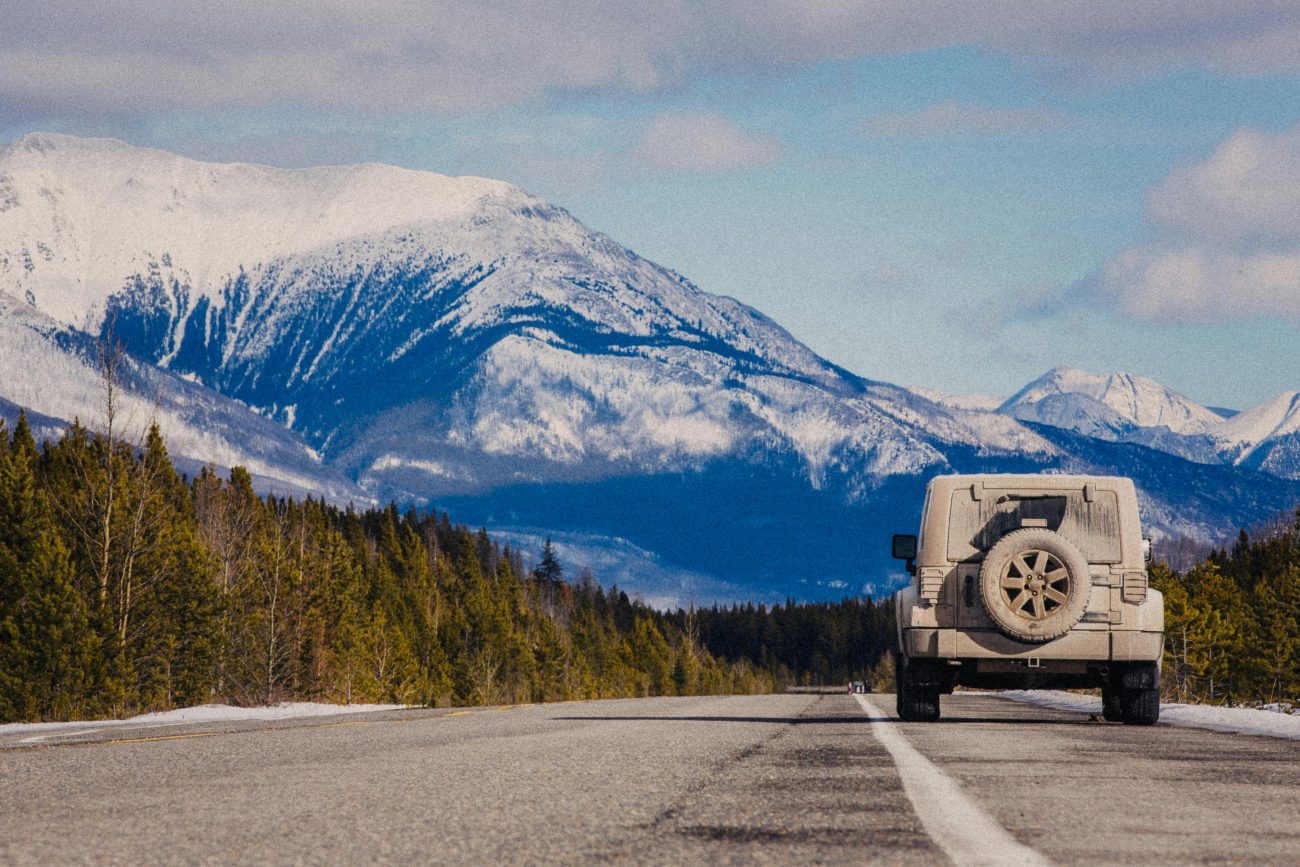
The Calgary to Banff drive stands as one of North America’s most breathtaking road trips, transforming a simple commute into an unforgettable journey through the heart of the Canadian Rockies. This approximately 128-kilometer (80-mile) route takes travelers from Alberta’s bustling metropolis into a mountain paradise that has captivated visitors for generations. Whether you’re a first-time visitor or a seasoned road tripper, understanding the nuances of this scenic highway will enhance your experience exponentially. The drive typically takes about 90 minutes without stops, but smart travelers allocate three to five hours to fully appreciate the spectacular vistas, wildlife encounters, and charming stops along the way.
Understanding the Calgary to Banff Drive Route
The drive from Calgary to Banff primarily follows the Trans-Canada Highway 1 West, a well-maintained four-lane highway that gradually ascends into the Rocky Mountains. Starting from Calgary’s western edge, drivers witness a dramatic transformation as the flat prairie landscape gives way to rolling foothills before the majestic peaks of the Rockies dominate the horizon. The route is exceptionally well-marked, making navigation straightforward even for international visitors unfamiliar with Canadian roads. Traffic flows smoothly most days, though weekends and holiday periods see increased volume as both tourists and locals head to the mountains for recreation.
The highway infrastructure along this corridor is excellent, featuring modern rest areas, emergency pull-offs, and clear signage throughout. Cell phone coverage remains reliable for most of the journey, though signal strength diminishes as you approach the more remote sections near Banff National Park. The road conditions are maintained year-round, but winter driving requires additional preparation and caution. Parks Canada has invested heavily in wildlife crossing structures along this route, including overpasses and underpasses that allow animals to migrate safely, reducing vehicle-wildlife collisions while offering drivers occasional glimpses of elk, deer, bighorn sheep, and even bears moving through their natural habitat.
Best Times for the Calgary to Banff Drive
Timing your Calgary to Banff drive significantly impacts your experience, with each season offering distinct advantages and challenges. Summer months from June through August provide the warmest weather, longest daylight hours, and full access to all hiking trails and attractions, but also bring the heaviest traffic and highest accommodation costs. The highways can become congested during peak summer weekends, sometimes adding 30 to 45 minutes to your journey time. However, the alpine meadows burst with wildflowers, and all mountain facilities operate at full capacity.
Fall, particularly September and early October, represents an ideal window for many travelers making the drive to Banff from Calgary. The famous larch trees turn brilliant gold, creating stunning contrast against the evergreen forests and snow-dusted peaks. Tourist crowds thin considerably after Labor Day, and wildlife becomes more active as animals prepare for winter.
Temperatures remain pleasant during the day, though evenings grow crisp. Winter transforms the route into a snowy wonderland from November through March, perfect for skiing enthusiasts but requiring winter tires, emergency supplies, and careful attention to road conditions. Spring, from April through May, sees unpredictable weather patterns with possible snow, rain, or sunshine all in the same day, but offers excellent value with lower prices and minimal crowds.
Essential Stops Along the Calgary to Banff Drive
Cochrane: Gateway to the Mountains
Located just 30 minutes west of Calgary, Cochrane serves as the first significant stop on your Calgary to Banff drive and offers an authentic taste of Western Canadian culture. This charming town of approximately 30,000 residents maintains its ranching heritage while providing modern amenities for travelers. The famous MacKay’s Ice Cream shop has become a pilgrimage site for road trippers, serving generous portions of homemade ice cream in dozens of creative flavors since 1948. Their waffle cones are made fresh throughout the day, and the portions are so substantial that even the small size satisfies most appetites.
Beyond frozen treats, Cochrane features several worthy attractions that justify extending your stop. The Cochrane Ranche Historic Site preserves the location of Western Canada’s first large-scale ranching operation, established in 1881. Walking trails wind through the property, offering interpretive signage about ranching history and excellent views of the Bow River valley. The town’s compact downtown area hosts numerous cafes, restaurants, and boutique shops selling Western wear, local art, and outdoor gear. For golf enthusiasts, the Cochrane Golf Club presents challenging play with stunning mountain backdrops, while the Bow River provides opportunities for fishing and riverside picnics.
Canmore: The Mountain Town Alternative
Situated approximately 100 kilometers from Calgary and just 25 kilometers from Banff, Canmore represents the last major community before entering Banff National Park on your Calgary to Banff drive. This mountain town of 15,000 residents has evolved from a coal mining settlement into a sophisticated outdoor recreation hub that many travelers prefer to Banff itself. Canmore offers lower accommodation costs, excellent dining options, and a more relaxed atmosphere while providing equally spectacular mountain scenery. The Three Sisters peaks dominate the southern skyline, creating one of the Canadian Rockies’ most photographed vistas.
Main Street Canmore buzzes with activity, featuring dozens of restaurants ranging from casual cafes to upscale dining establishments showcasing local ingredients and craft beverages. The Grizzly Paw Brewing Company, Canada’s first federally licensed brewpub, serves award-winning beers alongside hearty pub fare in a welcoming atmosphere that reflects the town’s community spirit. Shopping ranges from outdoor equipment specialists like Valhalla Pure Outfitters to art galleries showcasing mountain-inspired works from regional artists. For active travelers, Canmore provides immediate access to hundreds of kilometers of hiking and mountain biking trails, world-class rock climbing areas, and the Canmore Nordic Centre, built for the 1988 Winter Olympics and now offering year-round recreation opportunities.
Wildlife Viewing Opportunities on the Calgary to Banff Drive
The drive from Calgary to Banff traverses critical wildlife habitat, creating numerous opportunities to observe animals in their natural environment. Elk are the most commonly spotted large mammals, particularly near Canmore and within Banff National Park boundaries where herds often graze in open meadows visible from the highway. These majestic creatures show little fear of vehicles, sometimes causing traffic delays as they casually cross the road or lounge near popular viewpoints. Bull elk are particularly impressive during fall rutting season when their bugling calls echo through the valleys and their massive antlers reach peak size.
Bighorn sheep frequent the rocky outcrops along the highway, especially in areas where mineral licks attract them to roadside locations. The sheep’s remarkable climbing abilities allow them to navigate seemingly impossible cliff faces with ease, providing entertaining viewing for patient observers. Black bears and grizzly bears inhabit the region, though sightings from vehicles are less common than elk or sheep encounters. Spring and early summer offer the best opportunities for bear viewing as animals emerge from hibernation and forage along highway corridors where vegetation greens up earliest. Smaller mammals including coyotes, deer, and occasionally wolves also inhabit the area, though wolves remain rare and elusive.
Safe Wildlife Viewing Practices
Responsible wildlife observation during your Calgary to Banff drive requires understanding and following essential safety protocols. Parks Canada regulations prohibit stopping on the highway to view wildlife, as this creates dangerous traffic situations and habituates animals to human presence. Designated pull-offs and parking areas exist at many popular wildlife viewing locations, and drivers should only stop at these marked areas. Maintaining a minimum distance of 30 meters from large animals and 100 meters from bears and wolves protects both humans and animals, preventing dangerous encounters and reducing stress on wildlife.
Never feed wildlife under any circumstances, as human food causes serious health problems for animals and encourages aggressive behavior that often results in animals being destroyed by authorities. Photographing wildlife requires telephoto lenses or binoculars to capture images while maintaining safe distances. If an animal changes its behavior because of your presence, moves away, or stops feeding, you are too close and should increase your distance immediately. Early morning and evening hours provide the best wildlife viewing opportunities when animals are most active. Carrying bear spray when exiting your vehicle in bear country provides an important safety tool, though proper storage and handling knowledge is essential before purchasing this deterrent.
Weather Considerations for Your Drive
Weather patterns along the Calgary to Banff drive can change dramatically within minutes, requiring travelers to prepare for multiple conditions even during summer months. Calgary typically experiences warmer, drier conditions characteristic of prairie climate, with temperatures often 5 to 10 degrees Celsius warmer than Banff. As elevation increases throughout the drive, temperatures drop, precipitation increases, and weather becomes more unpredictable. Mountain weather systems move rapidly, bringing rain, snow, or clearing skies with little warning. Afternoon thunderstorms are common during summer months, sometimes producing heavy rain, lightning, and occasionally hail.
Winter driving conditions on the Calgary to Banff drive demand serious preparation and appropriate equipment. Alberta law requires vehicles to have adequate winter tires when driving mountain highways between October 1st and March 31st, with penalties for non-compliance. Snowstorms can develop quickly, reducing visibility to near zero and creating treacherous road conditions. Black ice, invisible patches of ice on roadways, poses particular danger during spring and fall when daytime melting refreezes overnight. AMA (Alberta Motor Association) and Parks Canada provide real-time road condition updates through websites and phone services, and checking these resources before departure during winter months is essential.
Seasonal Weather Patterns
Summer along the Calgary to Banff route brings generally pleasant conditions with daytime temperatures ranging from 20 to 28 degrees Celsius in Calgary and 15 to 25 degrees in Banff. However, mountain weather remains unpredictable, and afternoon thunderstorms can drop temperatures significantly while bringing heavy rain. Mornings often start cool, warming throughout the day before cooling again in the evening. Packing layers allows adjustment to changing conditions throughout your journey.
Fall weather grows increasingly variable as autumn progresses, with September often providing some of the year’s finest driving conditions. Early fall days remain warm and sunny, though nights cool considerably. October brings the first significant snowfalls to higher elevations, and by November, winter conditions typically dominate. Temperature swings of 20 degrees or more between day and night are common during fall months, requiring versatile clothing options.
Winter transforms the Calgary to Banff drive into a true winter wonderland but demands respect and preparation. Average temperatures range from -5 to -15 degrees Celsius, though cold snaps can push temperatures below -30 degrees. Chinook winds, a unique weather phenomenon in this region, can bring dramatic warming, melting snow and ice within hours. However, these same winds can create extremely hazardous driving conditions with powerful gusts and sudden weather changes.
Spring represents the most unpredictable season for the drive from Calgary to Banff, with conditions varying wildly from week to week. March and April frequently bring heavy snowfalls, while May transitions toward summer conditions, though snow remains possible throughout the month. Roads can be dry and clear one day, then buried under fresh snow the next. This variability means travelers should maintain winter driving preparedness through May long weekend.
Fuel and Service Stations
Planning fuel stops for your Calgary to Banff drive requires minimal concern given the relatively short distance and multiple service options available. Calgary’s western neighborhoods feature numerous gas stations where filling your tank before departure makes sense, particularly if you plan extensive exploring within Banff National Park. Cochrane, located 30 minutes from Calgary, offers several full-service gas stations alongside convenience stores stocked with snacks, beverages, and basic supplies. These stations generally offer competitive pricing compared to mountain locations.
Canmore provides the last major service center before Banff, with multiple gas stations competing for business along the Trans-Canada Highway corridor. Prices here typically run 5 to 10 cents per liter higher than Calgary rates but remain lower than Banff stations. The town’s amenities include large grocery stores, pharmacies, outdoor equipment shops, and restaurants, making it an ideal final supply stop before entering the national park. Within Banff townsite, three gas stations serve the community, but prices reflect the captive market and tourist demand, often running 15 to 20 cents per liter above Calgary prices.
Electric vehicle charging infrastructure has expanded significantly along this route, addressing the needs of EV drivers making the Calgary to Banff drive. Level 2 charging stations exist in Cochrane and Canmore, while Banff townsite features multiple charging locations including the Banff Recreation Centre and several hotel properties. Tesla Superchargers and fast DC charging stations have been installed in Canmore, providing rapid charging for compatible vehicles. However, winter cold significantly reduces EV range, sometimes by 30 to 50 percent, so planning accordingly becomes crucial during winter months. Range anxiety should not concern drivers of modern EVs given the route’s relatively short distance, but knowing charging locations provides peace of mind.
Photography Locations and Scenic Viewpoints
The Calgary to Banff drive offers countless photography opportunities, though certain locations stand out for their exceptional beauty and accessibility. The first dramatic mountain views emerge as you approach Cochrane, where the Rocky Mountain foothills create striking foreground interest against the distant peaks. Several informal pull-offs along Highway 1A west of Cochrane allow safe parking while capturing these transitional landscapes. The morning light particularly enhances these views, casting warm tones across the rolling hills while illuminating the snow-capped peaks beyond.
The official Banff National Park gate marks a milestone moment in your journey where photographs document your arrival in one of the world’s premier mountain destinations. Parks Canada maintains a small parking area at the park entrance where visitors can capture photos with the iconic Banff National Park sign. This location sees heavy traffic during peak season, so timing your visit for early morning or evening reduces crowds and provides better lighting conditions. Just beyond the park gate, Highway 1 climbs through a scenic canyon where vertical rock walls tower above the roadway, creating dramatic compositions when clouds add atmosphere to the sky.
Must-Stop Viewpoints
Morant’s Curve Viewpoint, located approximately 8 kilometers east of Lake Louise on the Bow Valley Parkway, offers one of the Canadian Rockies’ most photographed perspectives. While technically beyond Banff townsite, the viewpoint’s fame among photographers justifies including it in Calgary to Banff drive itineraries for those with extra time. The sweeping curve of the railway tracks through the valley creates leading lines that draw the eye toward Mount Temple’s imposing bulk. Famous railway photographer Nicholas Morant captured countless images from this location, and modern photographers continue that tradition. Morning light works best here, particularly during fall when larch trees add golden accents to the composition.
Cascade Ponds, located just five minutes from Banff townsite, provides easily accessible shoreline photography with Mount Rundle’s distinctive peaks reflecting in the calm water. This location works well during any season, offering different moods as conditions change. Summer brings wildflowers and lush vegetation, fall delivers brilliant colors, winter creates ice sculptures and snow-covered landscapes, and spring features dramatic runoff and returning wildlife. The ponds attract various waterfowl and occasionally larger mammals come to drink, adding wildlife opportunities to landscape photography.
Vermilion Lakes, a series of shallow lakes just minutes from downtown Banff, rank among the area’s premier photography locations. The three connected lakes offer foreground interest with Mount Rundle’s dramatic profile dominating the background. Sunrise photography here draws dozens of photographers during peak season, as the early light paints the mountain in alpenglow while mist rises from the water’s surface. The area’s wetland habitat attracts numerous bird species, beavers, muskrats, and occasionally moose, creating diverse subject opportunities beyond pure landscape photography.
Cost Breakdown for the Calgary to Banff Drive
Understanding the financial aspects of your Calgary to Banff drive helps with trip planning and budget allocation. The journey itself remains relatively inexpensive, with fuel costs depending on your vehicle’s efficiency and current gas prices. A typical sedan consuming 8 liters per 100 kilometers would require approximately 10 liters of fuel for the one-way trip. At current Alberta fuel prices averaging $1.45 per liter, the fuel cost runs roughly $14.50 each way, or $29 for a round trip. Larger vehicles, SUVs, and trucks naturally consume more fuel, potentially doubling these estimates.
The most significant cost for the Calgary to Banff drive comes from the Parks Canada entry fee required for all visitors to Banff National Park. Daily passes cost $10.50 per adult, $9.00 for seniors (65+), with children and youth under 18 entering free. Family and group passes covering up to seven people in a single vehicle cost $21.00 per day. For visitors planning multiple days in the park or intending to visit other national parks, the annual Discovery Pass at $72.25 for adults or $145.25 for families provides excellent value, offering unlimited entry to all Canadian national parks for 12 months from purchase date.
Additional Cost Considerations
Accommodation in Banff represents the largest expense for most visitors, with prices varying dramatically by season and booking timing. Summer high season (July and August) sees hotel rooms starting around $200 per night for basic properties, with mid-range hotels charging $300 to $500, and luxury accommodations exceeding $600 nightly. Shoulder seasons (May-June and September-October) offer better value with rates often 30 to 40 percent lower than peak summer prices. Winter pricing depends on snow conditions and ski season demand, with Christmas holidays and February commanding premium rates while early December and March offer relative bargains. Camping provides budget-conscious alternatives, with Parks Canada campgrounds charging $28 to $39 per night depending on services provided.
Dining costs in Banff vary widely based on preferences and choices. Budget travelers can manage on $40 to $60 per person daily by shopping at grocery stores, preparing picnic lunches, and choosing casual restaurants. Mid-range dining budgets of $80 to $120 per person allow nice restaurant meals and occasional splurges at upscale establishments. Fine dining experiences at Banff’s premier restaurants can easily exceed $150 per person with beverages and gratuities. Canmore generally offers better value than Banff for dining, and stocking up on snacks and beverages before entering the park reduces expenses significantly.
Activities and attractions add considerably to overall trip costs. Popular activities like the Banff Gondola ($64 adults, $32 children), Lake Louise Gondola ($57 adults, $25 children), and various guided tours and experiences quickly accumulate. Hiking and wildlife viewing remain free, making them excellent value for budget-conscious travelers. Equipment rentals for skiing, kayaking, canoeing, or other activities vary by season and provider but should be factored into budget planning.
Driving Regulations and Park Rules
Operating a vehicle during your Calgary to Banff drive requires understanding both Alberta traffic laws and Parks Canada regulations specific to national parks. Standard Alberta traffic regulations apply throughout the journey, with speed limits clearly posted and strictly enforced. Highway 1 features 110 km/h speed limits in rural sections, reducing to 90 km/h in areas with increased wildlife activity or challenging road conditions. Approaching towns, speed limits drop progressively, and photo radar enforcement occurs in several locations along the route.
Within Banff National Park boundaries, additional regulations take effect beyond standard traffic laws. Wildlife always has the right of way, and stopping on highways to view animals is prohibited except in designated pull-offs. Park wardens enforce these regulations strictly, issuing tickets for violations that endanger wildlife or create traffic hazards. Feeding wildlife carries serious penalties, with fines reaching $25,000 for violations. These regulations exist to protect both visitors and animals, as human-habituated wildlife often become dangerous and must be destroyed by authorities.
Winter Driving Requirements
Winter travel on the Calgary to Banff drive subjects vehicles to specific equipment requirements enforced by Alberta Transportation and Parks Canada. Mountain roads and highways require adequate winter tires from October 1st through March 31st, with the definition of “adequate” meaning tires displaying the three-peaked mountain with snowflake symbol. All-season tires do not meet this requirement regardless of their condition. Commercial vehicles face additional requirements for tire chains, which must be carried even if not installed.
Beyond legal requirements, prudent winter preparation for the drive from Calgary to Banff includes carrying emergency supplies in your vehicle. A basic winter emergency kit should contain warm blankets, extra clothing, non-perishable food, water, a flashlight with extra batteries, jumper cables, an ice scraper, a small shovel, and a first aid kit. Cell phone chargers, both standard and portable battery packs, ensure communication capability if stranded. Informing someone of your travel plans, expected arrival time, and route provides an additional safety measure should problems arise.
Alternative Routes: Scenic Highways
While Highway 1 provides the fastest route for your Calgary to Banff drive, alternative highways offer more scenic experiences for travelers with additional time. Highway 1A, also known as the Bow Valley Trail or Legacy Trail Connector, parallels Highway 1 through portions of the Bow Valley, providing a quieter, more intimate journey through ranchlands and alongside the Bow River. This route passes through Cochrane and reconnects with Highway 1 further west, adding minimal time while offering a more relaxed driving experience away from transport trucks and highway speeds.
The Bow Valley Parkway (Highway 1A within Banff National Park) presents the most scenic alternative route between Banff and Lake Louise, though it lies beyond Banff townsite. This winding two-lane road follows the Bow River valley floor, providing numerous viewpoints, hiking trailheads, and wildlife viewing opportunities. The parkway’s lower speed limit (60 km/h) and frequent pull-offs encourage a leisurely pace that rewards patient travelers with superior scenery and animal sightings. Seasonal closures protect bears during spring and early summer when they concentrate along this corridor to feed on emerging vegetation.
Highway 40 and Kananaskis Country
For adventurous travelers willing to extend their Calgary to Banff drive significantly, Highway 40 through Kananaskis Country offers spectacular mountain scenery with fewer tourists than Banff. This route heads south from Highway 1 near Canmore, climbing through pristine wilderness before eventually reconnecting with Highway 1 west of Canmore. The Highwood Pass section of Highway 40 reaches 2,206 meters elevation, making it Canada’s highest paved highway and providing tundra-like alpine conditions during summer months.
This alternative route transforms a 90-minute drive into a half-day or full-day journey, but the rewards include incredible scenery, excellent wildlife viewing, and access to lesser-known hiking trails and recreation areas. Kananaskis Country provides similar mountain experiences to Banff but with significantly smaller crowds and no park entry fees for most areas. However, Highway 40’s high elevation section closes annually from December 1st through June 14th to protect crucial winter habitat for bighorn sheep and other wildlife, so this option only exists during summer and fall months.
Accommodation Options in Banff
Planning where to stay significantly impacts your Calgary to Banff drive experience, with options ranging from budget camping to ultra-luxury resorts. The Fairmont Banff Springs Hotel, often called the “Castle in the Rockies,” dominates Banff’s accommodation landscape both physically and historically. This iconic railway hotel opened in 1888 and continues offering world-class hospitality with 764 rooms, multiple restaurants, a championship golf course, and a luxurious spa. While premium priced, the experience of staying in this historic property creates memories beyond simple accommodation.
Mid-range hotels and lodges throughout Banff townsite provide comfortable rooms with convenient locations and modern amenities at more accessible prices. Properties like the Banff Ptarmigan Inn, Moose Hotel and Suites, and Banff Inn offer good value with features like pools, hot tubs, and complimentary breakfast. These establishments typically range from $200 to $400 per night depending on season, providing comfortable bases for mountain exploration without breaking the budget. Location within the compact townsite matters less than in larger destinations, as everything remains within easy walking distance regardless of where you stay.
Budget Accommodation Alternatives
Budget travelers completing the Calgary to Banff drive can find economical accommodation through several options. The Banff Alpine Centre, operated by Hostelling International, provides dormitory-style accommodation starting around $50 per person in shared rooms, with private rooms also available at higher rates. The facility features a communal kitchen, common areas for socializing, and a central location near downtown. While less private than hotel rooms, hostels create opportunities to meet fellow travelers and share experiences while dramatically reducing costs.
Camping represents the most economical overnight option, with Parks Canada operating three campgrounds in the Banff townsite area. Tunnel Mountain Village features 618 campsites across three different campgrounds, some with electrical hookups, others offering basic tent sites. Reservations are essential during summer months, as these campgrounds fill quickly. Rates range from $28 for basic tent sites to $39 for sites with electrical service. The campgrounds provide bathrooms, showers, and kitchen shelters but limited privacy between sites. Two Jack Lakeside Campground, located about 15 minutes from downtown, offers a more scenic and tranquil camping experience with some lakeside sites available.
Dining and Culinary Experiences
The culinary scene in Banff has evolved significantly beyond basic tourist fare, now featuring restaurants that rival urban centers for quality and creativity. Your Calgary to Banff drive delivers you to a dining destination where talented chefs showcase Alberta beef, local game meats, fresh seafood flown in daily, and creative vegetarian options. The Park Distillery Restaurant and Bar occupies a historic building on Banff Avenue, offering a menu focused on Canadian ingredients alongside spirits distilled in-house. Their bison carpaccio, Alberta beef brisket, and creative cocktails attract both tourists and locals.
For upscale dining, The Bison Restaurant combines rustic mountain atmosphere with sophisticated cuisine featuring local and regional ingredients. Their menu changes seasonally but consistently delivers memorable meals like elk striploin, bison short ribs, and creative vegetarian dishes. Wine lists throughout Banff’s better restaurants feature impressive selections from around the world, with sommeliers available to guide pairings. Reservations are essential at popular restaurants during peak season, often requiring booking days or weeks in advance.
Casual Dining and Quick Bites
Not every meal during your Calgary to Banff drive requires fine dining reservations and matching budgets. Banff supports numerous casual restaurants delivering satisfying meals at reasonable prices. Tooloulou’s offers Cajun and Creole cuisine in a lively atmosphere with generous portions and moderate prices. The Maple Leaf Grille and Lounge serves Canadian cuisine in a more casual setting than fine dining competitors, with their burgers, ribs, and seafood drawing consistent crowds.
Quick service options include familiar chain restaurants like McDonald’s, Starbucks, and Subway, alongside local independent cafes and bakeries. Wild Flour Artisan Bakery produces excellent breads, pastries, sandwiches, and coffee, perfect for picnic supplies or quick breakfasts. Evelyn’s Coffee Bar serves quality coffee drinks and light meals in a cozy atmosphere favored by locals. These establishments provide budget-friendly options while maintaining quality standards that satisfy discerning travelers.
Day Trips from Banff
After completing your Calgary to Banff drive, the townsite serves as an excellent base for exploring surrounding attractions. Lake Louise, located 58 kilometers northwest of Banff, ranks among the world’s most photographed mountain lakes, with its turquoise waters backed by Victoria Glacier creating an iconic image. The lake’s distinctive color results from rock flour, fine glacial sediment suspended in the water that reflects blue-green light wavelengths. Summer brings crowds of visitors, making early morning visits essential for photography and peaceful enjoyment.
The Icefields Parkway (Highway 93 North) extends 232 kilometers from Lake Louise to Jasper, earning recognition as one of the world’s most scenic drives. Even driving a portion of this spectacular highway makes a rewarding day trip, with attractions like Peyto Lake, Bow Lake, and the Columbia Icefield accessible within reasonable distances. The Athabasca Glacier, part of the Columbia Icefield, allows visitors to walk on glacier ice, though guided tours are recommended for safety and educational value. This day trip requires a full day and early start, but the memories justify the time investment.
Sunshine Meadows and Hiking Opportunities
Sunshine Village ski resort operates a gondola during summer months, providing access to Sunshine Meadows, one of the Canadian Rockies’ premier alpine hiking areas. The meadows bloom with wildflowers throughout July and August, creating stunning displays of color against rocky peaks and alpine tarns. Several hiking loops of varying difficulty explore the high alpine environment, with interpretive signs explaining the fragile ecosystem and unique wildlife adaptations required for survival at these elevations.
Closer to Banff townsite, numerous hiking trails accommodate all fitness levels and time commitments. The Johnston Canyon trail, located along the Bow Valley Parkway, follows a steel catwalk through a narrow canyon featuring waterfalls and erosion-carved rock formations. This extremely popular trail can be hiked to the Lower Falls (2.4 kilometers round trip) or continued to the Upper Falls (5.4 kilometers round trip). The Tunnel Mountain trail provides excellent views of the Bow Valley and surrounding peaks from a relatively modest summit, requiring only 4.8 kilometers round trip with 260 meters elevation gain, making it achievable for most visitors.
Wildlife Safety and Bear Awareness
Understanding wildlife behavior and proper safety protocols enhances your Calgary to Banff drive experience while protecting both visitors and animals. Banff National Park’s dense wildlife populations create regular human-animal interactions, requiring awareness and appropriate responses. Black bears and grizzly bears inhabit the park, with both species regularly observed near roadways, in campgrounds, and on hiking trails. These magnificent animals deserve respect and caution, as they remain wild creatures capable of dangerous behavior when threatened, surprised, or protecting cubs.
Bear safety begins with prevention through proper food storage and waste management. All food, coolers, toiletries, and scented items must be stored in hard-sided vehicles or bear-proof storage lockers provided at campgrounds and trailheads. Never leave food or scented items in tents, and never approach bears to photograph or observe them closely. If you encounter a bear while hiking, stop immediately and assess the situation. Most bear encounters end with the bear departing once it identifies you as human, but understanding proper responses for different scenarios could save your life.
Bear Encounter Response Protocols
For black bears: If a black bear approaches or behaves aggressively, fight back aggressively using any available objects, focusing strikes on the bear’s face and muzzle. Black bear attacks often result from predatory behavior, and fighting back usually causes the bear to retreat. Never play dead with an aggressive black bear, as this invites continued attack.
For grizzly bears: If a grizzly bear charges and makes contact, play dead by lying flat on your stomach with your hands clasped behind your neck. Remain still until certain the bear has left the area. Grizzly attacks typically result from defensive behavior when bears feel threatened, and playing dead demonstrates you are not a threat. However, if the attack continues for more than a few minutes, the bear likely views you as prey, and you should fight back vigorously.
Prevention strategies: Making noise while hiking alerts bears to your presence, reducing surprise encounters. Traveling in groups of four or more significantly decreases attack risk, as bears rarely approach larger groups. Carrying bear spray and knowing how to deploy it effectively provides crucial protection, with studies showing bear spray successfully stops aggressive bear behavior in over 90 percent of encounters when properly used.
Shopping and Souvenirs
Banff Avenue, the townsite’s main thoroughfare, offers extensive shopping opportunities ranging from authentic Canadian products to international brands. After your Calgary to Banff drive, exploring the diverse retail offerings provides entertainment on inclement weather days and opportunities to find unique mementos. Canadian and Indigenous art galleries showcase work by regional artists, featuring paintings, sculptures, and photography inspired by mountain landscapes and wildlife. These pieces range from affordable prints to investment-quality original works commanding thousands of dollars.
Outdoor equipment stores like Monod Sports and Altitude Sports supply quality gear for mountain adventures, from technical climbing equipment to casual hiking supplies. While prices generally exceed discount retailers, the knowledgeable staff provide valuable advice for selecting appropriate equipment for local conditions. Many visitors discover they need items forgotten during packing, and these specialized retailers stock everything required for safe, comfortable mountain experiences.
Unique Local Products
Rocky Mountain Soap Company operates a flagship store in Banff, selling handcrafted natural soaps, bath products, and skincare items made with local ingredients. Their products make excellent gifts while supporting local businesses, with scents inspired by mountain environments and traditional techniques producing high-quality results. Factory tours demonstrate the production process and provide insights into the company’s commitment to natural, sustainable practices.
Beaver Tails, while not strictly a shopping experience, deserves mention as a uniquely Canadian treat. These fried dough pastries come in various flavors, shaped like the flat tail of a beaver, providing both delicious snacks and cultural experiences. The original product comes from Ottawa, but the Banff location serves authentic versions that satisfy sweet cravings after days of hiking and outdoor activities.
Indigenous crafts and art created by First Nations artists reflect the deep cultural connections between Indigenous peoples and these mountains. Authentic pieces carry certification tags indicating genuine Indigenous creation, distinguishing them from mass-produced imitations. Supporting Indigenous artists through purchasing authentic work preserves cultural traditions while providing economic opportunities for communities maintaining connections to these lands spanning thousands of years.
Environmental Considerations and Leave No Trace
Completing your Calgary to Banff drive brings both privileges and responsibilities regarding environmental stewardship. Banff National Park protects a UNESCO World Heritage Site, and visitor behavior directly impacts the ecosystem’s health and future. Leave No Trace principles guide appropriate wilderness behavior, ensuring these incredible landscapes remain pristine for future generations. The seven core principles provide a framework for minimizing impact: plan ahead and prepare, travel and camp on durable surfaces, dispose of waste properly, leave what you find, minimize campfire impacts, respect wildlife, and be considerate of other visitors.
Single-use plastics pose significant environmental challenges in national parks, with plastic water bottles, food packaging, and shopping bags accumulating despite extensive recycling programs. Bringing reusable water bottles, shopping bags, and food containers dramatically reduces waste while saving money on bottled water purchases. Banff’s municipal water supply provides excellent quality drinking water, and refill stations exist throughout the townsite. Choosing restaurants and shops that minimize packaging and support sustainable practices extends environmental consciousness beyond wilderness settings into daily activities.
Wildlife Corridors and Habitat Protection
The drive from Calgary to Banff travels through crucial wildlife corridors, and understanding their importance helps visitors appreciate ongoing conservation efforts. Wildlife overpasses and underpasses along Highway 1 represent groundbreaking infrastructure allowing animals to move safely across the busy transportation corridor. These structures reconnect habitat fragmented by highway construction, enabling genetic diversity and natural movement patterns essential for healthy wildlife populations. Research monitoring these crossings documents thousands of successful wildlife passages annually, validating the investment in wildlife-friendly infrastructure.
Staying on designated trails while hiking protects fragile alpine vegetation and reduces erosion damage to mountainsides. Shortcutting switchbacks accelerates erosion, destroying vegetation and creating scars lasting decades. Alpine plants grow incredibly slowly at high elevations, and a single footprint off-trail can destroy plants requiring decades to regrow. When trails become muddy, walking through the mud rather than around it prevents trail widening and additional vegetation damage. These seemingly small actions, multiplied by millions of annual visitors, significantly impact ecosystem health.
Practical Tips for Your Calgary to Banff Drive
Vehicle
Preparation Essentials
Ensuring your vehicle is properly prepared before beginning your Calgary to Banff drive prevents mechanical issues and enhances safety throughout the journey. Checking tire pressure, including the spare tire, should be standard procedure before any mountain road trip, as properly inflated tires improve fuel efficiency, handling, and safety. Temperature changes between Calgary and the mountains can affect tire pressure, and under-inflated tires pose particular risks on mountain highways with steep grades and sharp curves. Inspecting tire tread depth ensures adequate grip on potentially wet or icy roads, with the minimum legal tread depth being 2mm, though 4mm or more provides significantly better performance in challenging conditions.
Fluid levels including engine oil, coolant, windshield washer fluid, and brake fluid should all be checked and topped up as necessary. Mountain driving places additional demands on vehicles, with steep grades requiring more engine power and cooling capacity than flat highway driving. Windshield washer fluid proves particularly important, as insects, dust, and road spray can quickly obscure visibility. Using winter-grade washer fluid year-round in mountain regions prevents freezing, which can damage washer systems and leave you without visibility cleaning capability when needed most.
Brake systems deserve special attention before undertaking the drive to Banff from Calgary, as mountain driving involves significant braking on descents. Grinding noises, soft pedal feel, or pulling to one side when braking indicate problems requiring immediate professional attention. Worn brake pads or low brake fluid can lead to brake failure on steep mountain descents, with potentially catastrophic consequences. Having brakes professionally inspected if you have any concerns provides peace of mind and prevents dangerous situations.
Navigation and Connectivity
Modern navigation technology simplifies the Calgary to Banff drive, though understanding limitations helps avoid frustration. GPS devices and smartphone mapping applications work well throughout most of the route, providing accurate directions and real-time traffic updates. However, cell service becomes spotty in some mountain valleys, and GPS signals can be blocked by steep canyon walls or dense forest. Downloading offline maps before departure ensures navigation capability even when cellular connectivity fails. Google Maps, Apple Maps, and specialized applications like Gaia GPS all offer offline map downloading features.
The Parks Canada app provides valuable information about Banff National Park, including current conditions, trail closures, wildlife warnings, and facility information. Downloading this app before your journey and familiarizing yourself with its features enhances your visit significantly. The app also allows purchase of park passes and camping permits, though buying passes in advance through the Parks Canada website often proves more convenient than using the app while driving.
Traditional paper maps remain valuable backup navigation tools, particularly in wilderness areas where electronic devices can fail due to battery depletion, water damage, or technical malfunctions. The Gem Trek maps for Banff and Lake Louise provide detailed topographic information, hiking trail descriptions, and general orientation information that enhances trip planning and on-ground navigation. These waterproof, tear-resistant maps cost approximately $15 and deliver reliability that technology cannot always match.
Packing Essentials for the Drive
Creating a comprehensive packing list ensures you have everything needed for a successful Calgary to Banff drive regardless of weather conditions or unexpected situations. Layered clothing provides versatility for changing temperatures, with a base layer, insulating middle layer, and waterproof outer shell accommodating conditions from warm sunshine to cold rain or snow. Even during summer, temperatures in the mountains can require warm fleece or down jackets, particularly during early morning or evening hours.
Essential items for day trips include:
- Sturdy hiking boots or trail shoes with good ankle support and tread
- Extra socks in case feet get wet on trails
- Sunscreen with SPF 30 or higher, as high altitude intensifies UV exposure
- Sunglasses with UV protection to prevent snow blindness and sun damage
- Wide-brimmed hat or cap for sun protection
- Insect repellent containing DEET for protection against mosquitoes and blackflies
- Reusable water bottle with capacity of at least 1 liter per person
- High-energy snacks like trail mix, energy bars, or dried fruit
- Basic first aid kit with bandages, pain relievers, and personal medications
- Headlamp or flashlight with extra batteries
- Camera or smartphone with fully charged battery for capturing memories
- Portable battery pack for charging electronic devices
- Bear spray if planning any hiking (available for rent or purchase in Banff)
Photography Equipment Recommendations
Photographers embarking on the Calgary to Banff drive should carefully consider equipment choices based on their skill level and interests. Landscape photography dominates this region, requiring wide-angle lenses to capture expansive mountain vistas. A lens in the 16-35mm range (for full-frame cameras) or 10-24mm range (for crop-sensor cameras) handles most landscape situations effectively. However, wildlife photography demands telephoto lenses, with a 100-400mm zoom providing versatility for various subjects and distances.
Tripods prove essential for landscape photography, enabling long exposure techniques that smooth water in streams and waterfalls or capture dramatic cloud movement. Lightweight carbon fiber tripods balance portability with stability, important considerations when hiking to remote locations. Ball heads provide quick adjustments and secure locking, while pan-tilt heads offer precise control for careful compositions. Regardless of head style, ensuring your tripod can support your camera and lens combination is crucial.
Filters enhance landscape photography in specific situations, with polarizing filters reducing glare from water and foliage while intensifying blue skies and cloud contrast. Neutral density filters enable long exposures during bright daylight, creating artistic effects with water and clouds. Graduated neutral density filters help balance exposure between bright skies and darker foregrounds, though modern camera dynamic range and post-processing techniques have reduced their necessity compared to film photography days.
Historical Context of the Calgary to Banff Corridor
The route of the modern Calgary to Banff drive follows pathways used for thousands of years by Indigenous peoples, long before European exploration and settlement. The Stoney Nakoda, Blackfoot Confederacy, Ktunaxa, Tsuut’ina, and Métis peoples all have deep historical and spiritual connections to these mountains, valleys, and waterways. These nations traveled through mountain passes, hunted throughout the valleys, and held ceremonies at significant sites throughout the region. Understanding this rich Indigenous history provides important context that enriches visitor experiences beyond simply viewing scenery.
European exploration of this region began in the mid-1800s, with the Palliser Expedition surveying western Canada between 1857 and 1860. Captain John Palliser explored much of what is now southern Alberta, though he was pessimistic about the agricultural potential of the region. James Hector, the expedition’s geologist and naturalist, explored the Bow Valley and discovered Kicking Horse Pass, later becoming the route for the Canadian Pacific Railway through the Rockies.
Railway Development and Tourism Birth
The Canadian Pacific Railway’s completion in 1885 transformed the Calgary to Banff drive corridor from remote wilderness into an accessible destination. Railway construction crews discovered hot springs near Banff in 1883, leading to the creation of Canada’s first national park in 1885, initially called Rocky Mountains Park before being renamed Banff National Park. The railway company recognized tourism potential early, building the original Banff Springs Hotel in 1888 to accommodate wealthy travelers seeking mountain experiences. The railway’s slogan “If we can’t export the scenery, we’ll import the tourists” reflected their business strategy of developing tourism infrastructure throughout the mountain corridor.
The Trans-Canada Highway’s construction through the 1950s and 1960s made the drive from Calgary to Banff accessible to average Canadians with automobiles, democratizing mountain access previously limited to wealthy railway travelers. Highway improvements continued through subsequent decades, with the current four-lane divided highway completed in phases, including the wildlife crossing structures installed beginning in the 1990s. These continuous improvements have made the journey safer, faster, and more comfortable while hopefully reducing environmental and wildlife impacts through thoughtful engineering and design.
Climate Change Impacts on the Region
The Calgary to Banff drive travels through landscapes experiencing significant climate change impacts, with observable effects on glaciers, forests, and wildlife. Glaciers throughout the Canadian Rockies have been retreating at accelerating rates, with many smaller glaciers disappearing entirely over recent decades. The Victoria Glacier above Lake Louise has retreated substantially since the Fairmont Chateau Lake Louise was built, with historical photographs documenting dramatic ice loss. Climate scientists predict most small glaciers in the region will disappear within this century if current warming trends continue.
Forest health throughout the region faces challenges from mountain pine beetle infestations, which have been amplified by warming winter temperatures. Historically, extreme winter cold killed beetle larvae, naturally controlling populations. Milder winters allow beetle populations to explode, attacking and killing vast numbers of lodgepole pine trees. Dead grey trees visible from the highway testify to the scale of this infestation, which peaked in the mid-2000s but continues affecting forest ecosystems. Forest fires, another climate-related impact, have become more frequent and intense as warmer, drier conditions create ideal burning conditions.
Wildlife Adaptations and Challenges
Wildlife populations along the Calgary to Banff drive corridor face numerous climate-related challenges requiring adaptations or resulting in range shifts. Earlier spring snowmelt affects timing of plant growth, which impacts herbivores and subsequently predators throughout the food chain. Alpine plant communities are being encroached upon by lower-elevation species moving upslope as temperatures warm, potentially squeezing true alpine specialists into ever-smaller habitat areas. Some species like pikas, small mountain-dwelling mammals adapted to cold environments, face particular challenges as suitable habitat shrinks.
Large mammals including elk, deer, and bighorn sheep have shown adaptations to changing conditions, with some populations altering migration patterns or seasonal habitat use. Predator-prey relationships may shift as climate affects prey species distribution and abundance. Grizzly bears, listed as threatened in Alberta, face uncertain futures as climate change affects berry production, whitebark pine nuts, and other food sources while also increasing human-bear conflicts as development continues encroaching on critical habitat.
Indigenous Cultural Connections
The lands traversed during your Calgary to Banff drive hold profound spiritual and cultural significance for Indigenous peoples who have maintained relationships with these mountains since time immemorial. The Stoney Nakoda First Nation, whose territory includes much of what is now Banff National Park, call these mountains Îyârhe Nakoda, meaning “mountain people.” Their traditional territories extended throughout the Bow Valley and surrounding mountains, with place names, trails, and sacred sites reflecting thousands of years of presence and stewardship.
The creation of Canada’s national park system involved the exclusion and displacement of Indigenous peoples from their traditional territories, a historical injustice that Parks Canada and the Canadian government are now working to address through Indigenous partnership initiatives, consultation processes, and acknowledgment of Indigenous rights and title. The Banff Indian Days, established in 1889, represent complex history involving both cultural celebration and colonial exploitation, with Indigenous peoples invited to perform for tourists while being restricted from traditional activities within the park.
Contemporary Indigenous Partnerships
Modern initiatives are beginning to reintegrate Indigenous voices, knowledge, and management approaches into how the drive from Calgary to Banff corridor is managed and interpreted. Parks Canada has developed partnership agreements with Indigenous communities, recognizing their rights to practice traditional activities within national parks and incorporating Indigenous knowledge into wildlife management and conservation planning. Indigenous interpretation programs share authentic cultural perspectives with visitors, moving beyond simplified or stereotypical representations toward genuine cultural exchange and understanding.
The Buffalo Treaty, signed by numerous Indigenous nations across North America including several in Alberta, represents Indigenous-led conservation initiatives focused on restoring bison to traditional territories and reestablishing relationships with these culturally significant animals. Bison once ranged throughout the Calgary to Banff corridor in enormous numbers before being nearly exterminated by the late 1800s. Small bison herds in Banff National Park represent conservation success stories, though complex challenges remain regarding free-ranging bison and their interactions with human infrastructure and agriculture.
Adventure Activities and Outdoor Recreation
Beyond scenic driving and wildlife viewing, the Calgary to Banff drive delivers you to one of North America’s premier outdoor recreation destinations. Rock climbing attracts enthusiasts from around the world, with thousands of established routes on solid limestone and quartzite formations throughout the Bow Valley. The Yamnuska, a massive cliff face visible from Highway 1 east of Canmore, offers multi-pitch traditional climbing routes that have tested generations of alpinists. Sport climbing crags around Canmore provide hundreds of bolted routes ranging from beginner-friendly slabs to extreme overhangs requiring world-class technique.
Mountain biking has exploded in popularity throughout the region, with trail networks around Canmore and within Banff National Park accommodating all skill levels. Cross-country trails wind through forests and valleys, providing beautiful scenery with moderate physical demands, while advanced riders tackle technical singletrack with rock features, steep descents, and challenging climbs. The Legacy Trail, a paved path connecting Canmore to Banff, offers family-friendly cycling with spectacular mountain views and safe separation from highway traffic.
Water-Based Activities
The Bow River, paralleling much of your Calgary to Banff drive, provides world-class fly fishing opportunities for trout species including cutthroat, rainbow, brown, and bull trout. Fishing regulations within Banff National Park are carefully managed to protect native fish populations, with catch-and-release requirements for certain species and areas. Professional guide services teach fishing techniques while ensuring sustainable practices that preserve fisheries for future generations.
Whitewater rafting and kayaking attract adventure seekers during spring and early summer when snowmelt creates exciting water conditions. The Kicking Horse River near Lake Louise offers commercial rafting trips ranging from family-friendly floats to advanced whitewater requiring technical skills and high-risk tolerance. Canoe and kayak rentals allow independent exploration of various lakes and rivers, with Vermilion Lakes and Two Jack Lake providing peaceful paddling suitable for beginners while offering mountain scenery and wildlife viewing opportunities.
Winter Recreation Opportunities
Winter transforms the Calgary to Banff drive destination into a renowned ski and snowboard mecca, with three major resorts accessible from Banff townsite. Banff Sunshine Village, Mount Norquay, and Lake Louise Ski Resort collectively offer over 8,000 acres of skiable terrain across varied aspects and elevations. Sunshine Village’s high elevation and western exposure deliver exceptional snow quality and quantity, with an extended season often lasting from early November through late May. The resort’s terrain parks cater to freestyle skiers and snowboarders, while extensive groomed runs satisfy cruisers and beginners.
Cross-country skiing and snowshoeing provide quieter winter experiences, with hundreds of kilometers of trails winding through forests and valleys. The Cascade Fire Road, Nordic trails at Canmore Nordic Centre, and various backcountry routes accommodate different skill levels and preferences. Ice climbing has developed into a major winter activity, with frozen waterfalls throughout the region creating natural climbing venues. Johnston Canyon’s frozen waterfalls attract both beginners learning ice climbing fundamentals and experts tackling steep, challenging routes.
Arts and Culture in Banff
The mountain community reached via your Calgary to Banff drive supports a surprisingly vibrant arts and culture scene extending well beyond typical tourist resort offerings. The Banff Centre for Arts and Creativity, founded in 1933, ranks among the world’s premier institutions for arts education and cultural leadership. This internationally recognized facility hosts year-round programs in music, theatre, dance, visual arts, and creative writing, attracting artists and students from around the globe. Public performances, exhibitions, and events provide opportunities for visitors to experience world-class artistic productions in an inspiring mountain setting.
The Whyte Museum of the Canadian Rockies preserves and interprets the cultural history of the Rocky Mountain region through permanent and temporary exhibitions, heritage buildings, and extensive archival collections. The museum’s galleries showcase mountain art, photography documenting regional history, and exhibitions exploring relationships between people and mountains. Their Archives of the Canadian Rockies constitute the world’s most comprehensive collection of materials related to the cultural heritage of the Canadian Rockies, available to researchers and the public.
Festivals and Events
Annual festivals and events add cultural dimension to visits throughout the year. The Banff Mountain Film and Book Festival, held each November, celebrates mountain culture through films, books, and presentations by adventurers, athletes, and artists from around the world. This internationally acclaimed festival attracts thousands of mountain enthusiasts who gather to share stories, inspiration, and connection to wild places. Award-winning films from the festival tour globally, bringing mountain culture to audiences worldwide.
The Banff Summer Arts Festival showcases performing arts throughout summer months, with theatrical productions, musical concerts, and dance performances presented at various venues around town. These events range from classical music concerts to contemporary experimental performances, reflecting the diversity of artistic expression supported by the community. Indigenous cultural events and interpretive programs provide opportunities to learn about First Nations traditions, art forms, and relationships with mountain landscapes.
Health and Wellness Considerations
Altitude effects can impact some visitors during their Calgary to Banff drive, though elevations remain moderate compared to high-altitude destinations elsewhere. Calgary sits at approximately 1,048 meters elevation, while Banff townsite reaches 1,383 meters, a relatively modest increase that rarely causes significant altitude sickness symptoms. However, some individuals experience mild headaches, fatigue, or shortness of breath during physical exertion at altitude. Staying well-hydrated, avoiding excessive alcohol consumption, and acclimatizing gradually to altitude by limiting strenuous activities during the first day helps minimize symptoms.
Sun exposure at altitude intensifies due to thinner atmosphere filtering less ultraviolet radiation. Sunburns develop faster and more severely in the mountains, even on partly cloudy days when visitors might not perceive strong sun. Applying broad-spectrum sunscreen with SPF 30 or higher, wearing protective clothing, and using sunglasses rated for high UV protection prevents painful burns and long-term skin damage. Reapplying sunscreen every two hours during outdoor activities maintains protection as sweat and activity break down initial applications.
Medical Services and Emergency Care
Banff Mineral Springs Hospital provides emergency medical services, with a 24-hour emergency department staffed to handle everything from minor injuries to serious medical emergencies. The facility includes diagnostic imaging, laboratory services, and inpatient beds for cases requiring observation or stabilalization before transfer to larger facilities in Calgary. For serious trauma or complex medical conditions, helicopter ambulance services can transport patients to Calgary’s advanced trauma centers within approximately 30 minutes, ensuring access to sophisticated medical care when needed.
Pharmacies in Banff stock standard medications and can fill prescriptions transferred from other locations, though travelers should bring adequate supplies of prescription medications to avoid running short. Basic first aid supplies, over-the-counter medications, and common health products are readily available throughout town. Travel insurance that includes emergency medical coverage is strongly recommended for international visitors, as Canadian healthcare costs for non-residents can be substantial without insurance coverage.
Accessibility and Inclusive Travel
The Calgary to Banff drive and destination are increasingly accessible for travelers with various mobility, sensory, or cognitive needs, though mountain environments inherently present challenges. The Trans-Canada Highway features rest areas with accessible washroom facilities, and most gas stations and services along the route accommodate wheelchairs and other mobility devices. Banff townsite’s compact layout and relatively level streets make wheelchair navigation feasible in the downtown core, with curb cuts, accessible crosswalks, and level pathways connecting major attractions.
Parks Canada has prioritized accessibility improvements at many popular locations, with paved trails and boardwalks accommodating wheelchairs and strollers at destinations like Johnston Canyon’s Lower Falls, the Cave and Basin National Historic Site, and various viewpoints along the Bow Valley Parkway. Accessible parking spaces are available at most trailheads and attractions, marked with international accessibility symbols. The Banff Gondola provides wheelchair access to its summit complex, offering spectacular mountain views without requiring hiking ability.
Accessible Accommodations and Services
Many Banff hotels and lodges feature accessible rooms with roll-in showers, grab bars, wider doorways, and other adaptations for guests with mobility limitations. When booking accommodations, clearly communicating specific needs ensures appropriate rooms are reserved. Some properties excel at accessibility more than others, with newer buildings generally incorporating accessibility features more comprehensively than historic properties where renovations face heritage preservation constraints.
Adaptive equipment rentals enable visitors with disabilities to participate in activities that might otherwise be impossible. Sit-ski equipment allows persons with lower body paralysis to ski independently or with assistance, with programs at local ski resorts providing instruction and equipment. All-terrain wheelchairs can navigate trails too rough for standard wheelchairs, opening backcountry areas to users with mobility limitations. Contacting Parks Canada visitor centers before your trip helps identify accessible opportunities and programs suited to your abilities and interests.
FAQs About the Calgary to Banff Drive
How long does the Calgary to Banff drive take?
The Calgary to Banff drive typically takes 90 minutes to 2 hours without stops, covering approximately 128 kilometers via Highway 1 West. However, most travelers should allocate 3 to 5 hours to account for scenic stops, wildlife viewing, and fuel or food breaks along the route. During peak summer weekends or holidays, traffic congestion can add 30 to 60 minutes to the journey, particularly approaching Banff townsite.
Do I need a special pass or permit for the drive?
Yes, all visitors to Banff National Park require a valid Parks Canada pass. Daily passes cost $10.50 per adult (18-64), $9.00 for seniors (65+), with youth under 18 free. Family/group passes covering up to seven people in one vehicle cost $21.00 daily. Annual Discovery Passes ($72.25 adult, $145.25 family) provide excellent value for multiple visits. Passes can be purchased online, at park gates, or at visitor centers.
What is the best time of year to do the Calgary to Banff drive?
The Calgary to Banff drive can be enjoyed year-round, with each season offering distinct advantages. Summer (June-August) provides warmest weather and full facility access but brings crowds. Fall (September-October) features golden larch trees and fewer tourists. Winter (November-March) offers skiing and snowy landscapes but requires winter tires and careful preparation. Spring (April-May) sees variable conditions with good value and minimal crowds.
Are there gas stations along the route?
Yes, several fuel stops exist along the Calgary to Banff drive. Cochrane, located 30 minutes from Calgary, offers multiple gas stations. Canmore, about 25 kilometers before Banff, provides the last major fuel stops before the park. Banff townsite has three gas stations, though prices run higher than Calgary rates. Filling up in Calgary or Cochrane typically provides the best fuel prices.
Is the drive safe in winter?
Winter driving on the Calgary to Banff drive is generally safe with proper preparation. Alberta law requires adequate winter tires (mountain/snowflake symbol) from October 1 to March 31. Drivers should carry emergency supplies, check weather forecasts before departure, and be prepared for rapidly changing conditions. The highway is well-maintained with regular plowing, but snowstorms can create challenging conditions requiring reduced speeds and increased caution.
Can I see wildlife from my car?
Wildlife viewing opportunities are excellent along the Calgary to Banff drive, with elk, bighorn sheep, deer, and occasionally bears visible from the highway. However, stopping on the highway is illegal and dangerous. Use designated pull-offs and parking areas for wildlife viewing. Maintain minimum distances of 30 meters from large animals and 100 meters from bears and wolves. Never feed wildlife or approach for closer photographs.
How much does it cost to visit Banff?
Costs for visiting Banff vary widely depending on your preferences. Beyond the national park entry fee, expect accommodation ranging from $50 per person (hostels) to $500+ per night (luxury hotels). Meals range from $15 (fast food) to $150+ per person (fine dining). Popular attractions like the Banff Gondola cost $64 for adults. Budget travelers can manage on $100-150 daily, while mid-range visits typically cost $250-400 per person daily.
Do I need a 4×4 or AWD vehicle?
A 4×4 or AWD vehicle is not necessary for the Calgary to Banff drive itself, as the Trans-Canada Highway is well-paved and maintained year-round. However, winter driving benefits from AWD combined with proper winter tires. Standard vehicles work fine for summer driving. If planning to explore unpaved Forest Service roads or remote areas, higher clearance vehicles provide advantages, but these detours aren’t necessary for first-time visitors.
Are there wheelchair-accessible viewpoints?
Yes, several wheelchair-accessible locations exist along and near the Calgary to Banff drive. Many official Parks Canada viewpoints feature paved parking and level viewing areas. Johnston Canyon’s Lower Falls section includes a wheelchair-accessible boardwalk. The Banff Gondola provides wheelchair access to summit views. Cave and Basin National Historic Site offers fully accessible facilities and exhibits. Contact Parks Canada for current accessibility information before your visit.
What should I pack for a day trip to Banff?
Essential items for a Calgary to Banff drive day trip include layered clothing for changing weather, sunscreen, sunglasses, reusable water bottles, high-energy snacks, a basic first aid kit, and a camera. Sturdy walking shoes or hiking boots accommodate trail exploration. In winter, add warm layers, gloves, and hat. Bear spray is recommended for any hiking. Bring your national park pass and ensure your vehicle has emergency supplies including a spare tire, jack, and jumper cables.
Call to Action
Ready to experience one of Canada’s most spectacular journeys? The Calgary to Banff drive awaits with breathtaking mountain scenery, incredible wildlife, and endless adventure opportunities. Start planning your Rocky Mountain road trip today by booking your accommodation, researching trails and attractions that match your interests, and preparing your vehicle for mountain driving conditions. Whether you’re seeking peaceful nature connection, thrilling outdoor adventures, or cultural experiences in a stunning setting, this iconic route delivers unforgettable memories. Check current conditions, purchase your Parks Canada pass, and set out to discover why millions of travelers from around the world make this pilgrimage to the Canadian Rockies each year.
For golf enthusiasts looking to upgrade their equipment before the trip, check out our guide to the callaway diablo driver for powerful performance on mountain courses.
Additional Resources:
- Parks Canada – Banff National Park Official Site
- Travel Alberta – Calgary to Banff Information
- 511 Alberta – Current Road Conditions
- Banff Lake Louise Tourism
This comprehensive guide to the Calgary to Banff drive provides essential information for planning and enjoying your Rocky Mountain adventure. Safe travels, and remember to respect wildlife, practice Leave No Trace principles, and share the road courteously with other travelers exploring this magnificent landscape.
